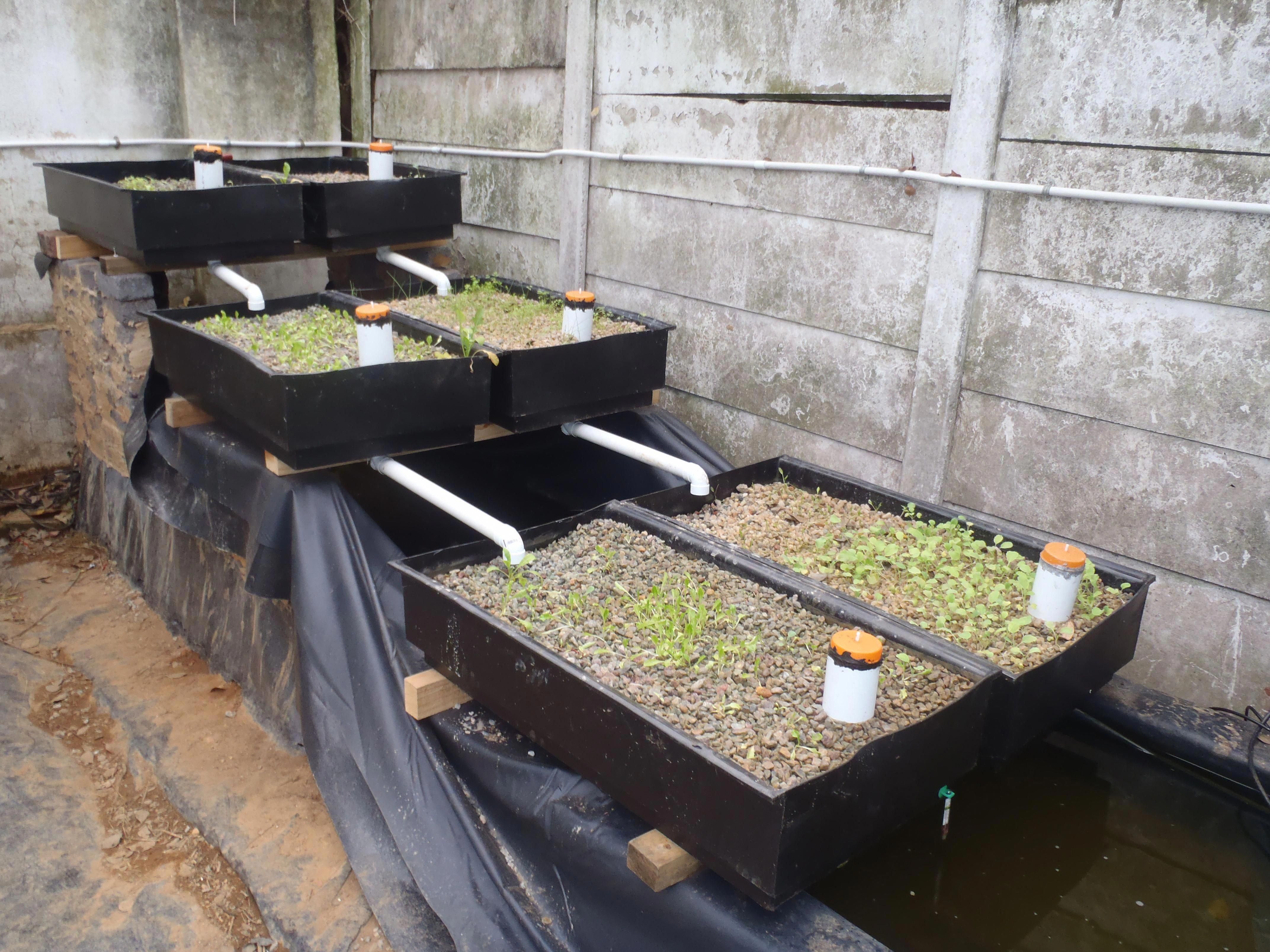
Aquaponics: A Revolutionary Way of Growing Food
Aquaponics is a sustainable and innovative method of growing plants and fish simultaneously in a closed-loop system. This technique combines hydroponics, which is the practice of growing plants without soil, with aquaculture, which involves rearing aquatic animals such as fish or shrimp. It’s an eco-friendly way to produce fresh food that can be enjoyed all year round.
The process starts with the fish being raised in tanks where they produce waste. The water from the tank is then pumped into a hydroponic bed where bacteria convert ammonia into nitrates that are used as fertilizer for the plants. As a result, the plants absorb these nutrients and purify the water for return back to the fish tank.
This symbiotic relationship between fish and plants creates a self-sustaining ecosystem that requires minimal input from humans. Aquaponics systems can be set up indoors or outdoors depending on climate conditions and space availability.
One significant advantage of aquaponics is its ability to conserve water compared to traditional farming methods. Since it recirculates water through its system rather than using large amounts of freshwater for irrigation, it uses 90% less water than conventional agriculture.
Another benefit of this method is that there are no pesticides or synthetic fertilizers needed since everything occurs naturally within the closed-loop system. This eliminates any risk of contamination or pollution caused by agricultural runoff.
In conclusion, aquaponics offers numerous benefits over traditional farming practices while providing fresh organic produce along with sustainably sourced protein-rich foods like tilapia or catfish. It’s an excellent way to promote healthier eating habits while minimizing our impact on our planet’s resources!

Leave a Reply