Zinc: A Vital Mineral for Your Health
Zinc is one of the essential minerals required by our body to function properly. It plays a critical role in many biological processes, including wound healing, immune system functioning, and DNA synthesis. Zinc also helps maintain healthy skin and hair, supports growth and development during childhood and adolescence, and aids in fertility.
Sources of Zinc
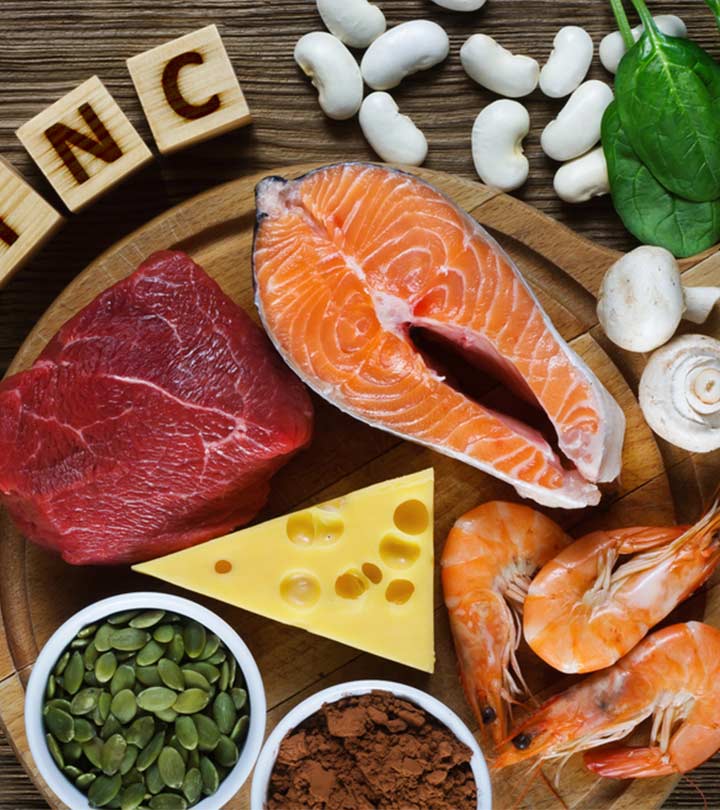
The human body cannot produce zinc naturally, so it must be obtained through diet or supplements. Foods high in zinc include red meat, poultry, seafood (especially oysters), beans & legumes such as chickpeas & lentils, nuts (cashews & almonds), dairy products like cheese & yogurt fortified with zinc. However, vegetarians may find it difficult to get enough zinc from their diets alone.
Benefits of Zinc
Zinc has numerous health benefits that make it an important mineral for overall well-being.
1. Immune System Support: Zinc boosts immunity by regulating the production of white blood cells that fight off infections and diseases.
2. Wound Healing: Studies show that zinc can speed up wound healing by reducing inflammation and promoting tissue repair.
3. Skin Health: Zinc is essential for maintaining healthy skin because it stimulates collagen production which helps prevent premature aging signs like wrinkles or fine lines.
4. Fertility support: Research shows that males who have adequate levels of zinc tend to have better sperm quality than those with low levels while females need enough amounts during pregnancy for proper fetal development
5. Brain Functioning: Some studies suggest a link between insufficient levels of zinc intake with depression or anxiety disorders; however more research is needed.
Risks of Deficiency
A deficiency in this mineral can lead to various health problems such as weakened immune system functioning along with delayed wound healing; chronic diarrhea; impaired taste sensation; stunted growth rates among children/adolescents; infertility issues related to both men’s & women’s reproductive systems.
Conclusion
Incorporating zinc-rich foods like oysters, red meat, nuts & seeds, beans & legumes, and dairy products fortified with zinc into your diet can help ensure that you meet your daily intake requirements. However, if you are unable to consume enough of these foods or have a medical condition that affects absorption of nutrients then consult a healthcare professional for guidance on the appropriate supplement dosage.

Leave a Reply