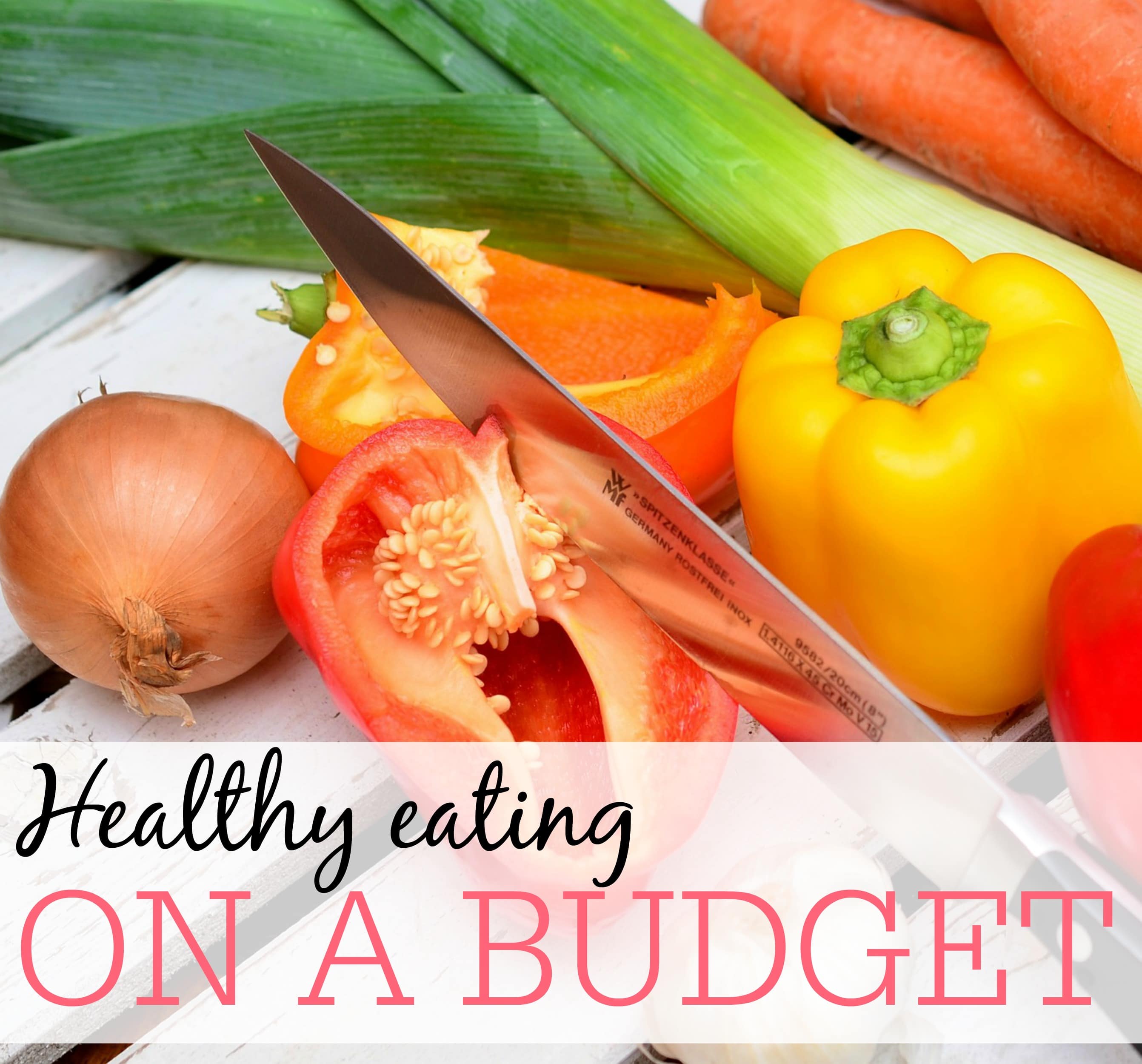
Cost Comparison: Healthy Eating on a Budget
Eating healthy is often perceived to be an expensive endeavor. However, the truth is that it does not have to be. With some planning, budgeting and smart choices, eating healthy can actually save you money in the long run. In this article, we will explore cost comparison and how you can make healthy eating work for your budget.
The Cost of Unhealthy Eating Habits
Before diving into the specifics of making healthy eating affordable, let’s first consider the cost of unhealthy eating habits. The Centers for Disease Control and Prevention (CDC) reports that more than one-third of adults in the United States are obese which increases their risk for chronic diseases such as heart disease, type 2 diabetes and certain types of cancer. These conditions come with significant medical costs not only for individuals but also for society as a whole.
Unhealthy eating habits contribute to these high rates of chronic diseases. Processed foods tend to be cheap but they are often high in sugar, salt and unhealthy fats while lacking essential nutrients like fiber or vitamins. Fast food options are convenient but they too are usually laden with calories from saturated fat or added sugars.
It may seem like unhealthy food options are cheaper than healthier ones but when considering health outcomes over time as well as medical bills associated with treating chronic diseases; it is clear that unhealthy eating habits come with a hefty price tag.
Tips For Making Healthy Eating Affordable
1) Plan Your Meals Ahead Of Time
Meal planning is key when trying to eat healthily on a budget. Planning meals ahead helps you stay organized by knowing what ingredients you need beforehand so that you don’t buy anything unnecessary or forget something crucial at home which would lead to last-minute trips to the grocery store.
A good way to start meal planning is by creating a weekly menu plan based on recipes that use similar ingredients so there’s less waste overall and more variety each week without having too many extra ingredients.
2) Buy In Bulk
Buying in bulk is a great way to save money on healthy foods. This works best for non-perishable items like grains, nuts, seeds and dried beans which can be stored for months without spoiling. Buying in larger quantities usually means you pay less per unit which can help stretch your budget further.
3) Look For Sales And Discounts
Shopping sales and discounts at your local grocery store or farmer’s market is another way to make healthy eating more affordable. Keep an eye out for special deals on fresh produce or organic products that may be nearing their expiration date but are still perfectly good to eat.
4) Cook At Home More Often
Eating meals prepared at home is almost always cheaper than dining out or buying pre-packaged foods from the grocery store. Cooking at home gives you control over the ingredients used as well as portion sizes which helps reduce food waste and saves you money.
5) Grow Your Own Produce
Growing your own produce can also help cut down on food costs while providing fresher fruits and vegetables that are free of pesticides. Even if you don’t have space for a large garden, consider planting herbs such as basil, mint or parsley in pots on your windowsill or balcony.
Making Healthy Eating Affordable Is Possible
In conclusion, healthy eating doesn’t have to break the bank; it just requires some planning, budgeting and smart choices. By following these tips above, you’ll be able to enjoy nutritious meals without sacrificing taste or quality while saving money too!
Remember that investing in your health now will pay dividends down the line by avoiding chronic diseases associated with unhealthy eating habits which come with significant medical bills not only for individuals but also society as a whole – so why not make healthy eating work within your budget today?

Leave a Reply