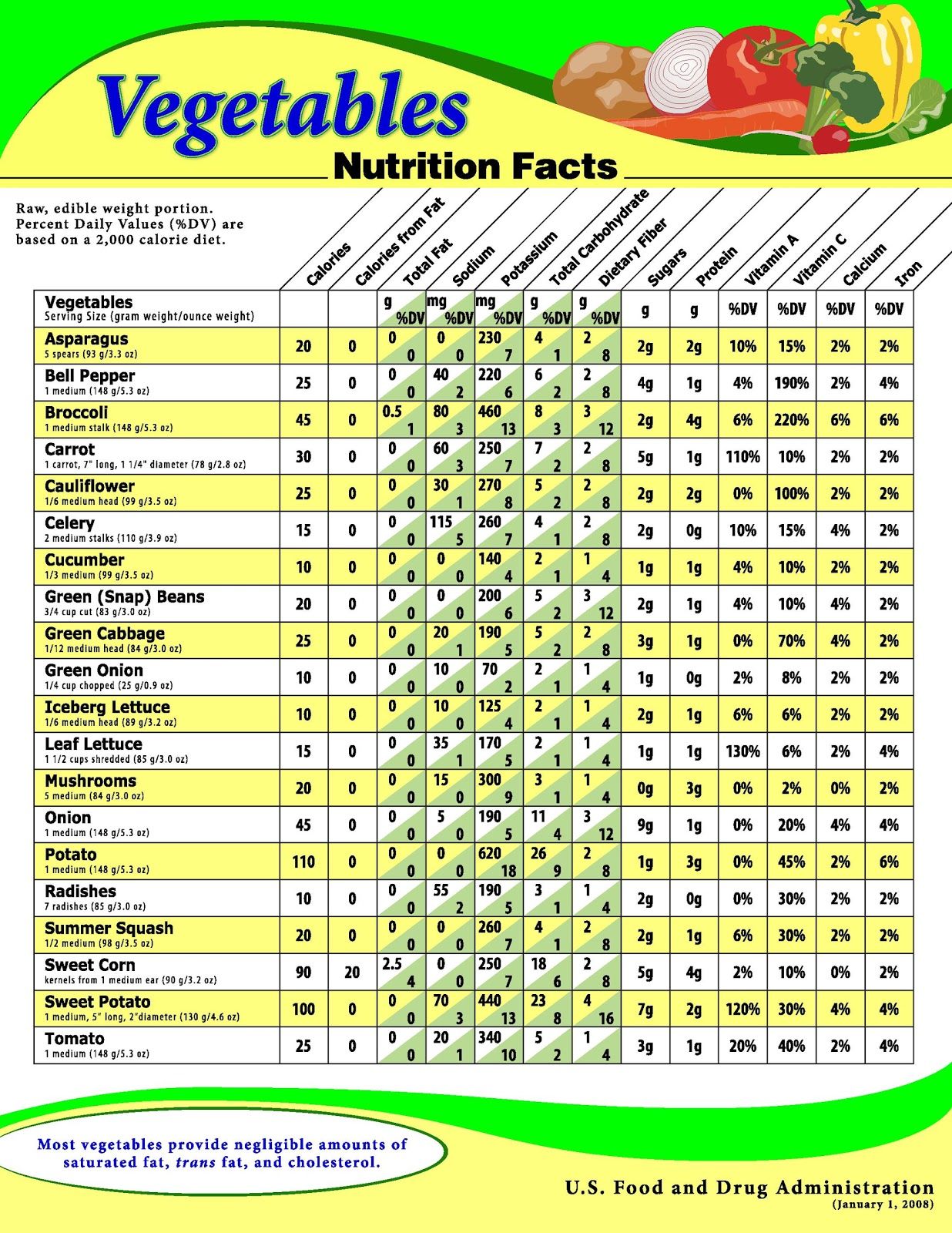
Nutrition Value: What You Need to Know
Introduction
Eating a balanced diet has been consistently linked with good health and disease prevention. A balanced diet is one that provides all the required nutrients in appropriate proportions. In this discussion, we will talk about some of the key nutritional components of a healthy diet.
Protein
Protein is essential for growth and repair of body tissues, such as muscles, skin, and bones. It also helps to regulate hormones and enzymes that keep the body functioning properly. Protein-rich foods include meat, poultry, fish, beans and pulses, nuts and seeds.
Carbohydrates
Carbohydrates are a vital source of energy for our bodies. They provide fuel for physical activity as well as brain function. Carbohydrate-rich foods include grains such as rice, pasta or bread; fruits; vegetables; legumes (beans); milk or dairy products.
Fats
Fats are an important source of energy but need to be consumed in moderation due to their high calorie content. The type of fat consumed is also crucial because certain types can lead to an increased risk of heart disease when consumed excessively over time. Healthy fats such as those found in olive oil or avocado can help improve cholesterol levels while unhealthy fats like those found in processed meats should be avoided altogether.
Vitamins
Vitamins play various roles within the body including maintaining healthy eyesight, boosting immunity against diseases or infections while helping with normal blood clotting among other functions needed by the body on regular basis . There are thirteen different vitamins classified into two categories: water-soluble vitamins which include vitamin C and B-complex vitamins (B1 thiamine ,B2 riboflavin ,B3 niacinamide ,B5 pantothenic acid,B6 pyridoxine ,B7 biotin,B9 folate,and B12 cobalamin) ;fat-soluble vitamins which comprise vitamin A, D, E and K. These vitamins are found in different foods such as fruits and vegetables (vitamin C), meats (B-complex), dairy products (Vitamin A & D) or nuts and seeds (Vitamin E).
Minerals
Minerals are vital for good health because they help the body function properly. They play a role in building strong bones, maintaining healthy teeth while regulating fluid balance among other important functions needed by the body . Some examples of minerals include calcium, iron, magnesium and zinc which can be found in various food sources.
Water
Water is essential to life since it accounts for about 60% of our bodies’ weight. In addition to hydrating us from dehydration , water helps regulate internal temperature; aids digestion ;flushes out waste material through urine ;lubricates joints;and also helps with cognitive function.
Fiber
Fiber is an important part of a balanced diet as it promotes digestive health while reducing risk of heart disease by lowering cholesterol levels. It can be obtained through whole grain foods like brown rice or breads made with whole wheat flour ,fresh fruits and vegetables or legumes .
Conclusion
A healthy eating plan should consist of all these essential nutrients that will aid proper functioning of the human body.Therefore,it’s important to make sure we eat a balanced diet that includes lean proteins like fish or poultry, carbohydrates from fruits/vegetables/grains,dairy products for vitamins A&D,fats mainly from plant-based oils,vitamins from diverse fruit n veggies,minerals rich foods such as nuts/seeds/dairy products,and fiber-rich grains/legumes/fruits&veggies.Alongside this,nutritionists recommend drinking plenty water throughout the day to stay hydrated while promoting optimal bodily functions.
By following these basic guidelines,you’ll ensure your meals provide you with everything you need for overall good physical and mental well-being.

Leave a Reply