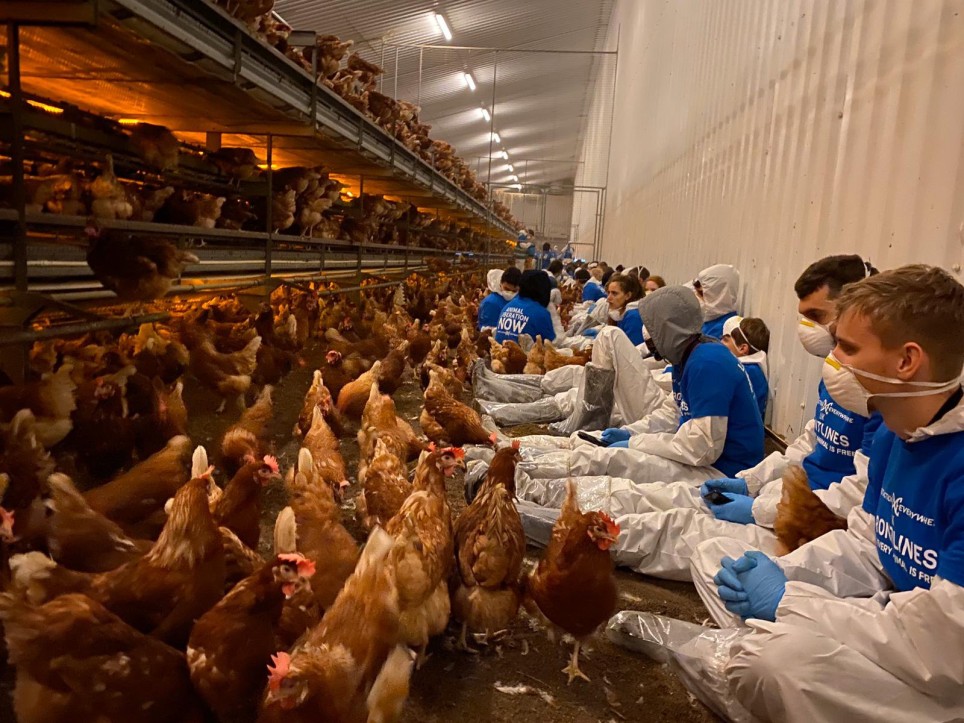
Free-range egg production has been around for centuries, but it wasn’t until the last few decades that free-range eggs gained popularity. In this Q&A style post, we’ll explore the history of free-range egg production and how it has evolved over time.
Q: When did free-range egg production first begin?
A: Free-range egg production has been around since ancient times. The domestication of chickens began in Asia more than 5,000 years ago. Chickens were originally kept as pets or used for cockfighting, but eventually people started to keep them for their eggs and meat. In early times, chickens were allowed to roam freely during the day and would return to their coops at night.
Q: How did free-range egg production evolve over time?
A: In the mid-20th century, commercial poultry farms began using battery cages to house chickens. Battery cages are small wire cages that hold multiple birds at once. This method was efficient because it allowed farmers to maximize space and feed while minimizing labor costs. However, animal welfare advocates criticized battery cages for being inhumane because they didn’t allow birds to move around freely.
In response to these criticisms, some farmers started raising free-range chickens again in the 1980s and 1990s. They believed that allowing their animals access to outdoor spaces was not only more humane but also resulted in better-tasting eggs with higher nutritional value.
Q: What is the difference between caged and free-range eggs?
A: Caged hens live their entire lives inside cramped wire cages where they cannot stretch their wings or engage in natural behaviors like dust bathing or roosting. These conditions can lead to health problems such as osteoporosis from lack of exercise and stress-induced feather pecking from living in close quarters with other birds.
Free-range hens have access to outdoor areas where they can engage in natural behaviors like scratching at dirt or foraging for insects. They also have more space to move around, which can lead to healthier and happier birds.
Q: How are free-range eggs produced today?
A: Free-range egg production has evolved over time as consumer demand for ethically-produced food has increased. Today, many farmers use a system called “pasture-raised” or “beyond organic” where hens live outside all day and are only brought into coops at night. These hens have access to fresh air, sunlight, and plenty of space to roam.
Other farmers use mobile coops that can be moved across pastures so that hens always have access to fresh grass and soil. This method is beneficial because it allows the birds to fertilize the land and eat bugs that could harm crops.
Q: Why should consumers choose free-range eggs?
A: There are several reasons why consumers might choose free-range eggs over conventionally-produced ones:
1) Animal welfare – By choosing free-range eggs, you can support farms that treat their animals humanely and allow them to engage in natural behaviors.
2) Nutritional value – Some studies suggest that free-range eggs may be more nutritious than caged ones because they contain higher levels of omega-3 fatty acids, vitamin D, and other nutrients.
3) Taste – Many people believe that free-range eggs taste better than conventionally-raised ones because the chickens have a more varied diet from roaming outdoors.
4) Environmental impact – Pasture-raising chickens is considered a sustainable farming practice because it reduces reliance on grain feed (which requires large amounts of water and energy to produce).
In conclusion, while free-range egg production has been around for centuries, it wasn’t until recent decades that it gained popularity as an alternative to conventional methods like battery cages. Consumers who want to support humane animal treatment or enjoy the taste of high-quality eggs may want to consider buying from local farmers who practice pasture-raising or other free-range methods.

Leave a Reply