Omega-3 Fatty Acids in Chia Seeds: A Critique
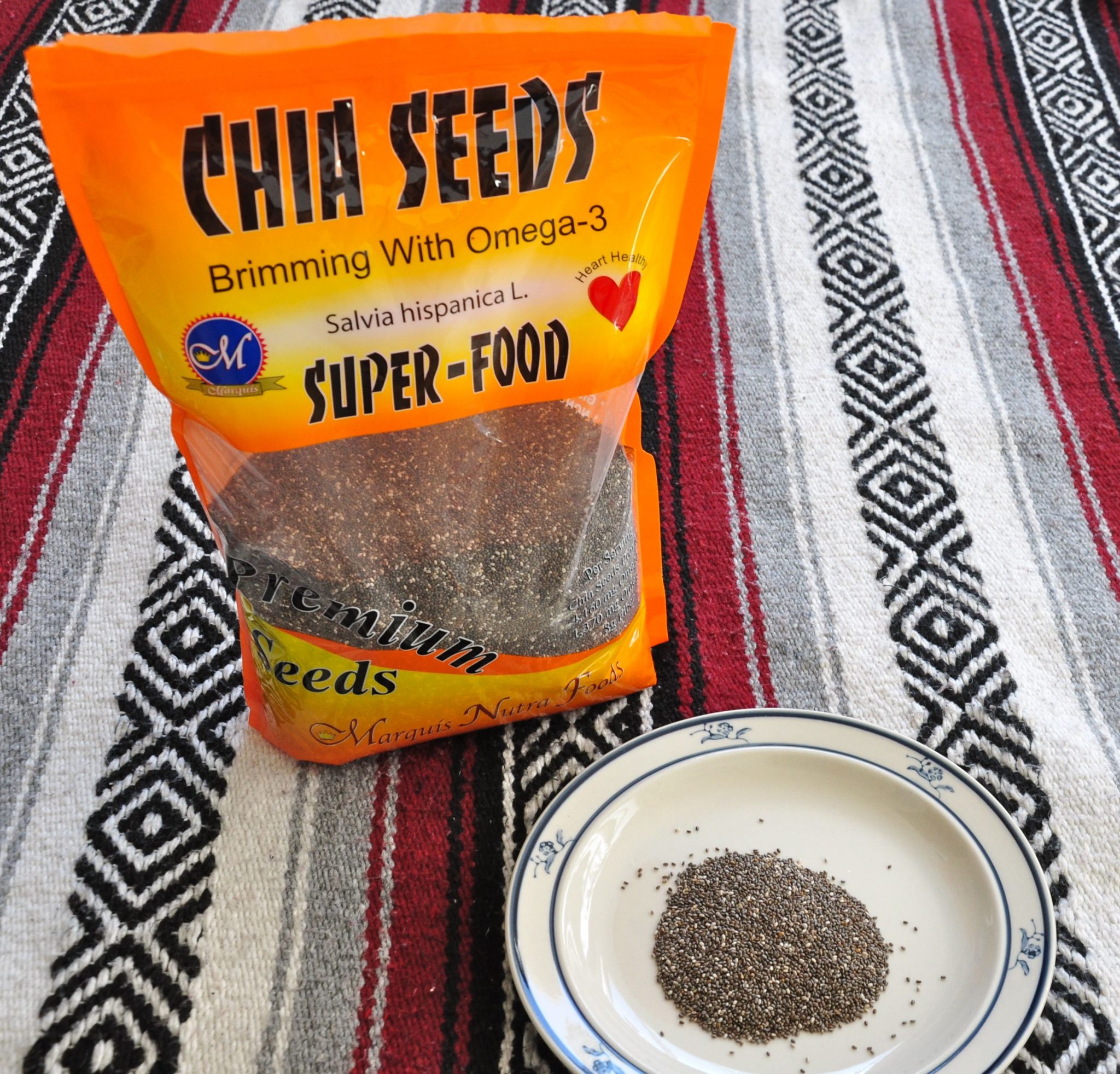
Chia seeds have been gaining popularity as a superfood due to their high nutrient content, particularly in omega-3 fatty acids. Omega-3s are essential fatty acids that play a crucial role in maintaining heart health, brain function, and reducing inflammation in the body. Despite the growing interest in chia seeds as an omega-3 source, there is still much debate about whether they provide enough of these vital nutrients to make them worth adding to your diet.
Firstly, it’s important to establish what exactly omega-3 fatty acids are and why they’re so crucial for our health. There are three types of omega-3s: alpha-linolenic acid (ALA), eicosapentaenoic acid (EPA), and docosahexaenoic acid (DHA). ALA is found primarily in plant-based sources like flaxseeds, walnuts, and chia seeds, while EPA and DHA are typically found in oily fish such as salmon or mackerel.
Research has shown that consuming adequate amounts of EPA and DHA can help reduce triglycerides levels which contribute to heart disease risk factors. Meanwhile, ALA may play a lesser but still significant role by converting into EPA or DHA within the body. However, this conversion rate is relatively low at approximately 5% for EPA and less than 0.5% for DHA.
So where does this leave chia seeds? While they do contain high levels of ALA – more than any other plant-based source – it’s unlikely that consuming chia seeds alone will provide sufficient amounts of EPA or DHA required for optimal health benefits.
That said, incorporating chia seeds into your diet alongside other foods rich in omega-3s can be an excellent way to boost your intake overall. Additionally, research suggests that consuming ALA may still provide some heart health benefits, even if it doesn’t directly convert to EPA or DHA. Studies have found that consuming 2-3 tablespoons of chia seeds daily can help reduce blood pressure and inflammation levels.
Another thing to consider is how chia seeds are consumed. While they can be eaten whole, they’re often added to smoothies, yogurt bowls, or used as a vegan egg replacement in baking recipes after being soaked in water. This soaking process helps soften the outer shell of the seed and make them more digestible while also increasing their nutrient absorption rate.
However, it’s worth noting that incorporating chia seeds into your diet should not come at the expense of other essential nutrients. Chia seeds are high in fiber and protein but relatively low in vitamins and minerals compared to other superfoods like kale or spinach. They also contain phytic acid which can inhibit mineral absorption if consumed excessively.
So what’s the bottom line? Chia seeds are an excellent source of omega-3 fatty acids for those following a plant-based diet or looking for alternative sources beyond oily fish or supplements. However, they shouldn’t be relied upon as a sole source of these vital nutrients since ALA conversion rates are relatively low. Instead, aim to consume them alongside other sources of omega-3s such as flaxseeds, walnuts, fatty fish like salmon or mackerel, or fortified foods like eggs or milk alternatives.
It’s also crucial to remember that chia seeds should be incorporated into a balanced diet rather than taken as a dietary supplement alone since they lack some essential vitamins and minerals found in other superfoods with more nutritional value per calorie.
In conclusion: while chia seeds undoubtedly offer health benefits due to their high omega-3 content, consuming them should form part of a well-rounded approach towards healthy eating rather than viewed solely as a magical cure-all food item on its own. So go ahead and add them to your morning smoothie or sprinkle them on top of your yogurt bowl, but don’t forget the importance of a varied diet rich in fruits, vegetables, whole grains, healthy fats like nuts and seeds along with lean proteins for overall health.

Leave a Reply