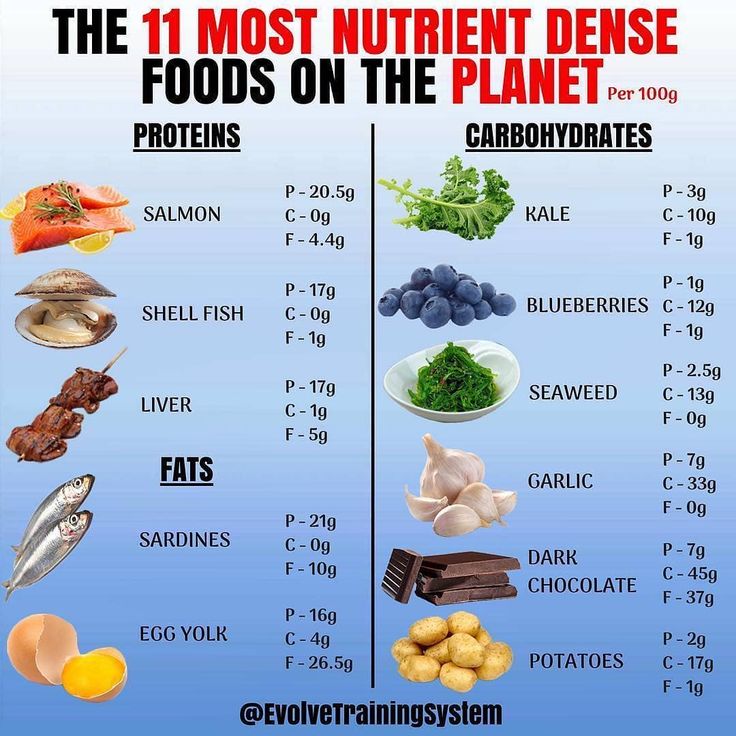
Nutrient-dense foods are an essential aspect of a healthy diet. They contain high amounts of vitamins, minerals, and other nutrients with minimal calories and fat. Incorporating nutrient-dense foods into your daily diet can help you maintain a healthy weight, reduce the risk of chronic diseases like heart disease and diabetes, and improve overall health.
One example of a nutrient-dense food is leafy greens. These include spinach, kale, collard greens, arugula, and Swiss chard. Leafy greens are packed with nutrients such as vitamin K, vitamin A, calcium, iron, folate, and fiber. They have low-calorie content making them an excellent addition to any meal.
Another example of a nutrient-dense food is berries. Berries come in various forms such as strawberries, blueberries blackberries among others; they are rich in antioxidants that protect cells from damage caused by free radicals. Berries also contain vitamins C and K as well as dietary fiber which helps in digestion.
Salmon is another nutrient-dense food that should be included in our diets regularly; it contains omega-3 fatty acids which promote heart health by reducing inflammation throughout the body. These fatty acids also help lower blood pressure levels while improving brain function.
Eggs are highly nutritious; they contain protein along with essential amino acids that aid muscle development and repair tissues within the body; eggs also provide choline which supports brain health while maintaining healthy nails hair skin teeth & gums among other benefits.
Nuts like almonds walnuts cashews macadamia nuts pecans pistachios hazelnuts brazil nuts or pine nuts are great snack options because they’re loaded with nutrients such as magnesium potassium phosphorus copper zinc selenium iron manganese vitamins B6 E & K1 plus unsaturated fats – all important for growth&development nerve function immune system support preventing chronic diseases etc
Dark chocolate is another nutrient-dense food that provides several benefits when eaten in moderation. It contains flavonoids that improve blood flow and lower blood pressure, reducing the risk of heart disease. Dark chocolate is also rich in antioxidants that protect cells from damage caused by free radicals.
Quinoa is a good source of plant-based protein; it’s gluten-free with low glycemic index meaning it won’t cause spikes in blood sugar levels. Quinoa also provides essential minerals like iron, magnesium, and zinc.
Tomatoes are nutrient-dense vegetables containing high amounts of vitamin C, potassium, lycopene, beta-carotene among other nutrients; they help protect against chronic diseases such as cancer cardiovascular disease & diabetes while promoting healthy skin hair eyesight immune system etc.
Broccoli is another nutritious vegetable packed with vitamins A and C along with potassium fiber iron calcium&protein all crucial for maintaining optimal health. Additionally broccoli has anti-inflammatory properties that can help reduce the risk of chronic diseases especially those related to inflammation e.g arthritis Alzheimer’s etc
Sweet potatoes are a great source of carbohydrates providing energy plus fiber which aids digestion; they also contain vitamins A&C potassium manganese copper iron phosphorus among others – all important micronutrients for overall wellbeing.
Beans are versatile legumes containing dietary fiber protein B-vitamins folate magnesium potassium among others making them ideal for digestive health weight management preventing type 2 diabetes cardiovascular conditions & more. Black beans kidney beans chickpeas lentils split peas navy beans pinto beans are just some examples of nutrient-dense options available to us.
In conclusion, incorporating nutrient-dense foods into our diets can significantly improve our overall well-being and prevent chronic diseases such as heart disease or diabetes. Leafy greens, berries salmon eggs nuts dark chocolate quinoa tomatoes broccoli sweet potatoes and beans are just some examples to consider adding into your daily diet plan. Remember always aim for variety balance moderation when eating any food group!

Leave a Reply