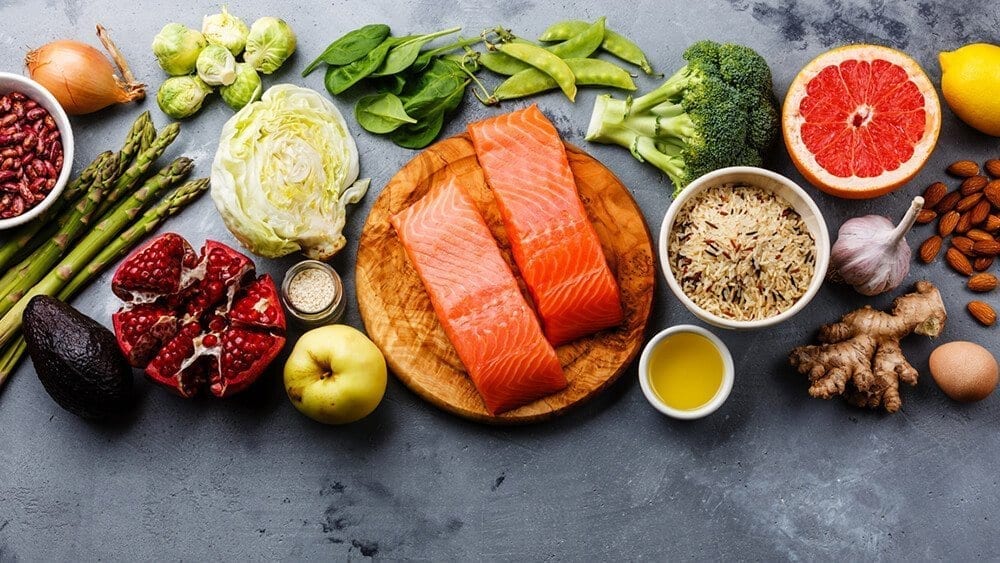
As a writer and journalist, I have had the opportunity to explore various topics in the health and wellness industry. One topic that has caught my attention is Nutrient-Dense Foods. In this memoir-style post, I will be sharing my experience with nutrient-dense foods.
Nutrient-dense foods are foods that provide a high amount of nutrients for the number of calories they contain. These types of foods are essential for maintaining good health as they contain vitamins, minerals, fiber, protein, and other essential nutrients that our bodies need to function correctly.
My journey with nutrient-dense foods started when I realized how important it was to eat healthy food. As someone who loves junk food and sugary drinks, it wasn’t easy getting used to eating healthier meals. However, after some research and trial and error experiments in my kitchen, I discovered several nutrient-dense foods that were not only delicious but also very beneficial for my body.
One of the first nutrient-dense foods I tried was spinach. Spinach is an excellent source of iron; one cup contains about 20% percent of your daily recommended intake (DRI). It’s also rich in magnesium which helps regulate blood sugar levels and blood pressure. Most importantly, spinach is low in calories which makes it an ideal choice if you’re trying to lose weight or maintain a healthy weight.
Another nutrient-dense food that quickly became one of my favorites is avocado. Avocado is loaded with heart-healthy monounsaturated fats which help lower cholesterol levels in the body while providing plenty of fiber to keep you feeling full longer after eating them. They also contain potassium which helps regulate blood pressure.
Berries are another great example of nutrient-dense fruits that offer numerous benefits for our bodies’ well-being. Berries such as blueberries are packed with antioxidants which protect against cell damage caused by free radicals from environmental factors such as pollution or radiation exposure from electronic devices like smartphones or laptops. They also contain vitamin C which is essential for the growth and repair of tissues in our body.
Nuts such as almonds, cashews, and walnuts are rich in healthy fats, vitamins, and minerals that support brain function and overall health. For example, almonds are high in magnesium and vitamin E while cashews are an excellent source of zinc which helps boost immunity against diseases.
Incorporating nutrient-dense foods into your diet doesn’t have to be complicated or expensive. You can start by adding one nutrient-dense food to your meals each day until you get used to them. Some simple ways to incorporate these foods include making smoothies with spinach or kale, adding avocado slices on toast or salads, snacking on berries throughout the day, sprinkling nuts over oatmeal or yogurt bowls.
In conclusion, eating nutrient-dense foods has become a crucial aspect of my life as I’ve seen the benefits it provides for my body’s overall well-being. It’s essential to remember that everyone’s dietary needs are different; therefore what works for me may not necessarily work for you. However incorporating some nutrient-rich options like those mentioned above will help ensure optimal health outcomes regardless of individual differences!

Leave a Reply