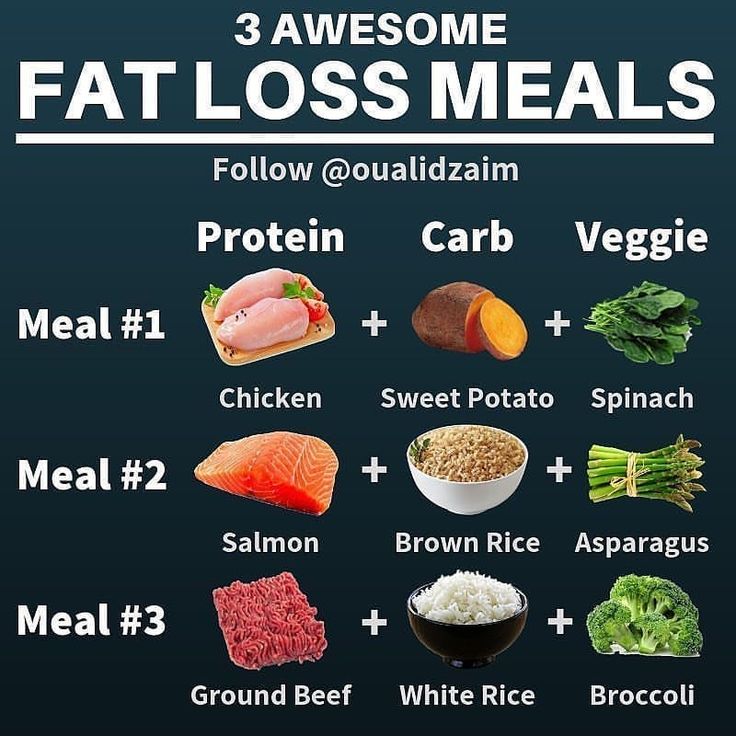
A low-fat diet is often recommended for individuals who want to maintain a healthy weight and reduce the risk of heart diseases. However, when it comes to food choices, not all low-fat diets are created equal. The impact of processed foods on a low-fat diet is an essential consideration that can significantly affect health outcomes.
Processed foods are those that have undergone significant alterations from their natural state. These alterations may include adding preservatives, artificial flavors, and colors, as well as removing nutrients such as fiber. Common examples of processed foods include frozen meals, packaged snacks, and sugary cereals.
While some processed foods may be labeled as “low-fat,” they often contain hidden sugars and unhealthy additives that can contribute to weight gain and other health problems. Consuming too many processed foods on a low-fat diet can also lead to nutrient deficiencies due to the removal of essential vitamins and minerals during processing.
One crucial aspect of maintaining a healthy low-fat diet is reading labels carefully. Avoid products with added sugars or high fructose corn syrup listed among the first few ingredients on the label. Also, look for whole-food options instead of heavily-processed items.
Another critical consideration when it comes to the impact of processed foods on a low-fat diet involves cooking methods. While grilling or broiling fresh fish or chicken breasts is a great way to incorporate lean protein into your meal plan, using pre-packaged sauces or marinades can add excess sodium and sugar content that undermines your efforts towards good health.
Instead, opt for herbs like rosemary or thyme along with garlic cloves and lemon juice for flavorings in place of store-bought marinades which adds extra calories quickly without providing much nutritional value.
When it comes to snacks while sticking with this type of dietary pattern eating fruits over fruit-flavored bars or cookies would be better options since these snacks tend to be loaded with added sugars contributing no nutrition but increasing calorie intake significantly potentially leading one back to the weight they are trying to lose.
In conclusion, while a low-fat diet is an effective way to maintain a healthy weight and reduce the risk of heart diseases, it is essential to pay attention to the impact of processed foods on this type of dietary pattern. Consuming too many highly-processed foods can lead to nutritional deficiencies and contribute significantly to overall calorie intake leading one back from their efforts towards good health. By reading labels carefully, choosing whole-food options, avoiding heavily processed items, and incorporating fresh herbs as flavorings in place of store-bought marinades or sauces will help stay on track with one’s dietary goals.

Leave a Reply