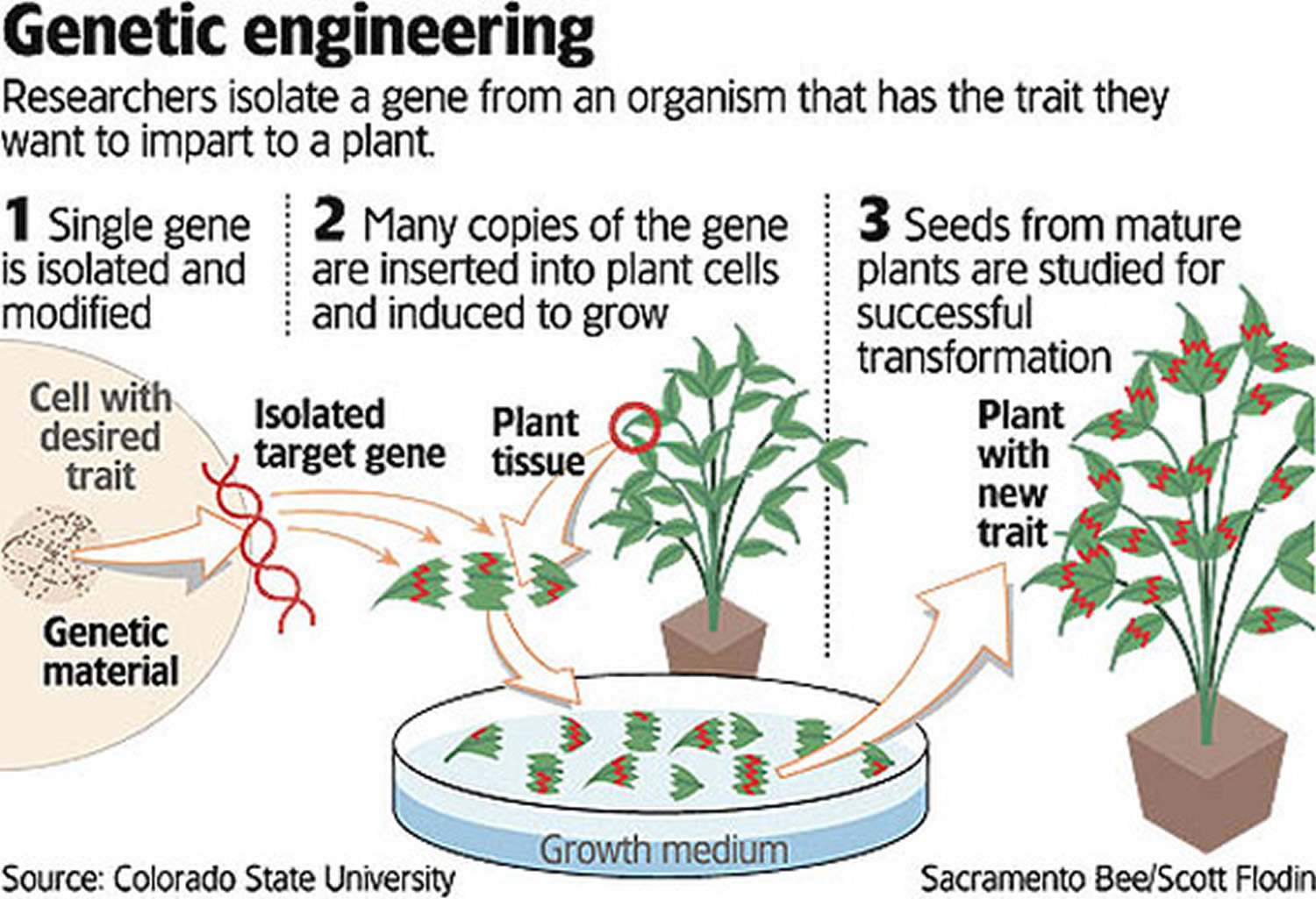
Genetic modification, also known as genetic engineering, has become a controversial issue in recent years. While some scientists and companies argue that it can increase crop yields and help feed the growing population, others worry about its potential risks to human health and the environment.
So what exactly is genetic modification? At its core, genetic modification involves altering an organism’s DNA to give it certain desirable traits. This can be done through a variety of techniques, including gene splicing (cutting and pasting together different genes) and gene editing (using CRISPR-Cas9 technology to make precise changes to specific genes).
One of the main arguments made by proponents of genetic modification is that it can help increase crop yields and improve food security. By introducing traits like pest resistance or drought tolerance into crops, farmers may be able to grow more food with fewer resources. However, critics argue that these benefits come at a cost – namely, increased use of pesticides and herbicides which could have negative impacts on human health.
Another concern with genetic modification is its potential impact on biodiversity. When genetically modified organisms are introduced into ecosystems where they didn’t previously exist (such as when GMO crops are planted in fields), there is always a risk that they will outcompete native species or disrupt existing ecosystems.
But perhaps the biggest concern with genetic modification is its potential impact on human health. There are still many unknowns when it comes to the long-term effects of consuming genetically modified foods – particularly since most studies have been conducted by industry-funded researchers rather than independent scientists. Additionally, there are concerns around allergenicity – since new proteins are being introduced into foods through GM technology, there’s a possibility that people could develop allergies to them.
Despite these concerns, many countries allow for the cultivation and sale of genetically modified crops – including the United States. In fact, over 90% of corn grown in the US is genetically modified in some way.
So what can consumers do to protect themselves from the potential risks of GM foods? One option is to buy organic – since genetically modified organisms are not allowed in organic farming, choosing organic products ensures that you’re avoiding GMOs. Additionally, some companies have started voluntarily labeling their products as containing GMOs (although this practice is not yet universal).
Ultimately, the debate around genetic modification is likely to continue for many years to come. While there are certainly benefits to be gained from this technology, it’s important that we proceed with caution and take steps to ensure that it’s being used in a responsible manner. After all, when it comes to our health and the environment, an ounce of prevention is worth a pound of cure.

Leave a Reply