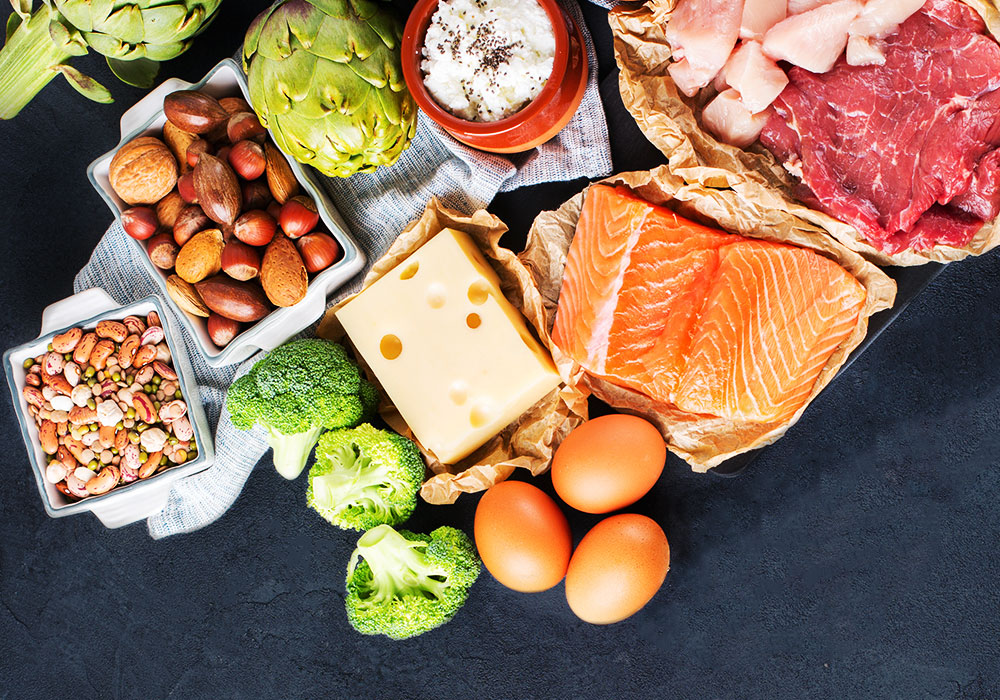
Protein is an essential nutrient that plays a vital role in our overall health. It is responsible for building and repairing tissues, supporting immune function, and maintaining healthy hair, skin, and nails. While many people associate protein with animal sources such as meat, poultry, and dairy products, there are plenty of cheap and nutritious protein sources available for those who follow a plant-based diet or are looking to incorporate more variety into their meals. In this article, we will explore some of these affordable protein sources that not only provide the necessary amino acids but also offer additional health benefits.
1. Legumes:
Legumes are an excellent source of plant-based protein that is both inexpensive and readily available. These include beans (such as black beans, kidney beans, chickpeas), lentils (green or red), peas (split peas or green peas), soybeans (tofu or edamame), and peanuts. Legumes are not only rich in protein but also packed with dietary fiber, vitamins (like folate) and minerals (such as iron). Incorporating legumes into your diet can help lower cholesterol levels, regulate blood sugar levels, promote heart health, and support weight management.
One easy way to include more legumes in your meals is by making delicious bean salads or soups using canned varieties for convenience. You can also try adding cooked lentils to stews or curries for an extra dose of protein.
2. Quinoa:
Quinoa has gained popularity over the past few years due to its high nutritional value. Although technically a seed rather than a grain like wheat or rice, quinoa offers a complete source of protein containing all nine essential amino acids our bodies need but cannot produce on their own. Additionally, quinoa is gluten-free and packed with other nutrients such as magnesium and fiber.
This versatile ingredient can be used as a base for salads instead of traditional grains like rice or pasta dishes to boost the overall protein content of your meal. It can also be cooked and enjoyed as a side dish or added to soups and stews for an extra nutritional punch.
3. Tofu:
Tofu, made from soybeans, is a staple in many vegetarian and vegan diets. It is an excellent source of protein, low in calories, and contains beneficial minerals such as calcium and iron. With its neutral taste, tofu can easily absorb the flavors of various marinades or sauces, making it highly versatile in different cuisines.
You can use firm tofu to make stir-fries, grilled dishes, or even scramble it like eggs for a protein-packed breakfast option. Silken tofu works well in smoothies or desserts as a healthier alternative to heavy creams.
4. Greek Yogurt:
Greek yogurt is not only rich in protein but also provides probiotics that support gut health by promoting healthy digestion. Compared to regular yogurt, Greek yogurt has undergone straining to remove excess whey resulting in a thicker consistency with less lactose content.
Including Greek yogurt in your diet can be as simple as enjoying it on its own with some fruits or incorporating it into savory recipes like dressings or dips instead of mayonnaise or sour cream.
5. Eggs:
Eggs are often referred to as nature’s perfect food due to their high-quality protein content along with essential vitamins (vitamin B12) and minerals (such as selenium). They are affordable and widely available throughout the year.
From omelets to scrambled eggs, hard-boiled eggs for salads, or even baked goods like muffins – there are numerous ways you can incorporate eggs into your meals while reaping their nutritional benefits.
6. Nuts and Seeds:
While nuts and seeds are not primarily known for their protein content alone, they still make fantastic additions when looking for cheap sources of plant-based proteins that provide additional nutrients such as healthy fats (omega-3 fatty acids) and antioxidants.
Almonds, walnuts, cashews, chia seeds, flaxseeds, and hemp seeds are all excellent options. You can snack on them as they are or sprinkle them over salads, yogurt bowls, or oatmeal to add a protein boost.
7. Seitan:
Seitan is a high-protein meat substitute made from wheat gluten. Although not suitable for those with gluten sensitivities or allergies, seitan offers a dense source of plant-based protein that closely mimics the texture of meat.
It can be used in stir-fries, stews, or even grilled as a burger patty alternative. While it may not be the cheapest option on this list due to its specialized production process compared to other plant-based proteins mentioned earlier, making your own seitan at home can significantly reduce costs.
In conclusion, incorporating cheap and nutritious protein sources into your diet doesn’t have to break the bank. Legumes like beans and lentils provide an affordable way to meet your daily protein needs while offering additional health benefits such as fiber and essential vitamins and minerals. Quinoa serves as an excellent alternative grain packed with complete proteins along with various other nutrients. Tofu provides versatility in cooking styles while Greek yogurt offers both protein and probiotics for gut health support. Eggs remain an economical staple high in quality protein content alongside nuts and seeds which provide added healthy fats and antioxidants. Lastly, seitan presents itself as a textured meat substitute for those who desire more variety in their meals.
By including these budget-friendly alternatives into your meal plans regularly while maintaining proper portion sizes based on individual dietary needs – you’ll find yourself enjoying delicious dishes that are both nourishing and wallet-friendly!

Leave a Reply