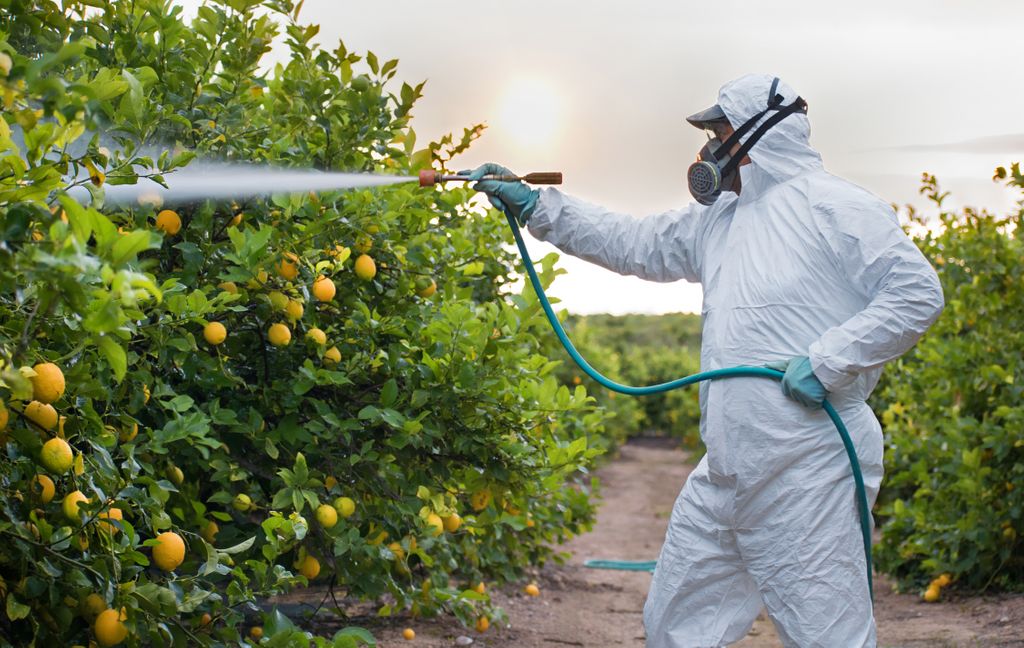
Pesticide-Free Farming: A Return to Nature’s Way
In recent years, there has been a growing concern about the harmful effects of pesticides on our health and the environment. As a result, many farmers are now turning to pesticide-free farming methods as a sustainable and healthier alternative. These methods prioritize working with nature rather than against it, promoting biodiversity and ensuring long-term soil fertility. In this article, we will explore some of the key techniques used in pesticide-free farming and discuss their benefits.
1. Crop Rotation: One of the fundamental practices in pesticide-free farming is crop rotation. This technique involves alternating different crops in the same field over several seasons or years. By doing so, farmers can naturally disrupt pest lifecycles while also preventing nutrient depletion in the soil. For example, planting nitrogen-fixing legumes like beans or peas one year followed by a grain crop such as wheat or corn helps replenish soil nutrients without relying on synthetic fertilizers.
2. Biological Pest Control: Instead of using chemical pesticides that harm both pests and beneficial insects alike, pesticide-free farmers employ biological pest control strategies to manage pest populations effectively. This involves introducing natural predators such as ladybugs or parasitic wasps that feed on crop-damaging insects like aphids or caterpillars. Additionally, attracting birds and bats to farmland provides another layer of protection against pests.
3. Companion Planting: Another method commonly used in pesticide-free farming is companion planting – cultivating two or more plant species together for mutual benefit. Some plants emit odors that repel specific pests while others attract beneficial insects that prey on those pests. For instance, interplanting marigolds with tomatoes can deter nematodes from attacking tomato roots while attracting bees for pollination.
4. Natural Fertilizers: Rather than relying on synthetic fertilizers laden with chemicals harmful to humans and ecosystems alike, organic farmers use natural fertilizers derived from composted plant and animal materials. Composting not only enriches the soil with essential nutrients but also helps improve its structure, water-holding capacity, and microbial activity. Additionally, cover crops like clover or vetch can be grown between main crop seasons to fix nitrogen in the soil naturally.
5. Mulching: Pesticide-free farmers often use mulching as a method of weed control instead of herbicides. Mulch – organic material such as straw, leaves, or grass clippings – is spread over the soil surface around plants to suppress weed growth by blocking sunlight and preventing weed seeds from germinating. This practice not only reduces the need for herbicides but also helps retain moisture in the soil, regulate temperature, and enhance overall soil health.
6. Integrated Pest Management (IPM): Pesticide-free farming embraces integrated pest management strategies that focus on preventive measures rather than reactive ones. IPM combines various techniques mentioned earlier along with regular monitoring of crops for early detection of pest problems. By identifying pests before they cause significant damage, farmers can employ targeted interventions such as physical barriers or botanical insecticides derived from natural sources like neem oil.
Benefits of Pesticide-Free Farming:
1. Improved Soil Health: Pesticide-free farming methods prioritize building healthy soils by enhancing organic matter content and promoting beneficial microbial activity. This leads to improved nutrient availability for plants and better water infiltration rates while reducing erosion risks.
2. Protection of Beneficial Insects: Unlike chemical pesticides that harm both pests and beneficial insects alike, pesticide-free farming creates an environment where natural predators thrive alongside crops, contributing to ecological balance.
3. Safer Food: By eliminating pesticide residues from agricultural produce, pesticide-free farming ensures safer food options for consumers while reducing potential health risks associated with long-term exposure to synthetic chemicals.
4. Preservation of Biodiversity: Emphasizing biodiversity conservation through practices like crop rotation and companion planting promotes habitat diversity, providing a refuge for beneficial insects, birds, and other wildlife.
5. Environmental Sustainability: Pesticide-free farming methods significantly reduce the harmful impacts of chemical pesticides on ecosystems, including soil degradation, water pollution, and harm to non-target species.
Conclusion:
Pesticide-free farming represents a return to traditional agricultural practices that work in harmony with nature rather than against it. By adopting techniques such as crop rotation, biological pest control, companion planting, and using natural fertilizers and mulching methods along with integrated pest management strategies; farmers can cultivate healthy crops while preserving the environment. The benefits of pesticide-free farming extend beyond human health to include improved soil fertility, biodiversity conservation, and environmental sustainability. As consumers become more aware of the potential dangers associated with conventional agriculture practices, supporting pesticide-free farming becomes not only a personal choice but also an investment in our collective well-being.

Leave a Reply