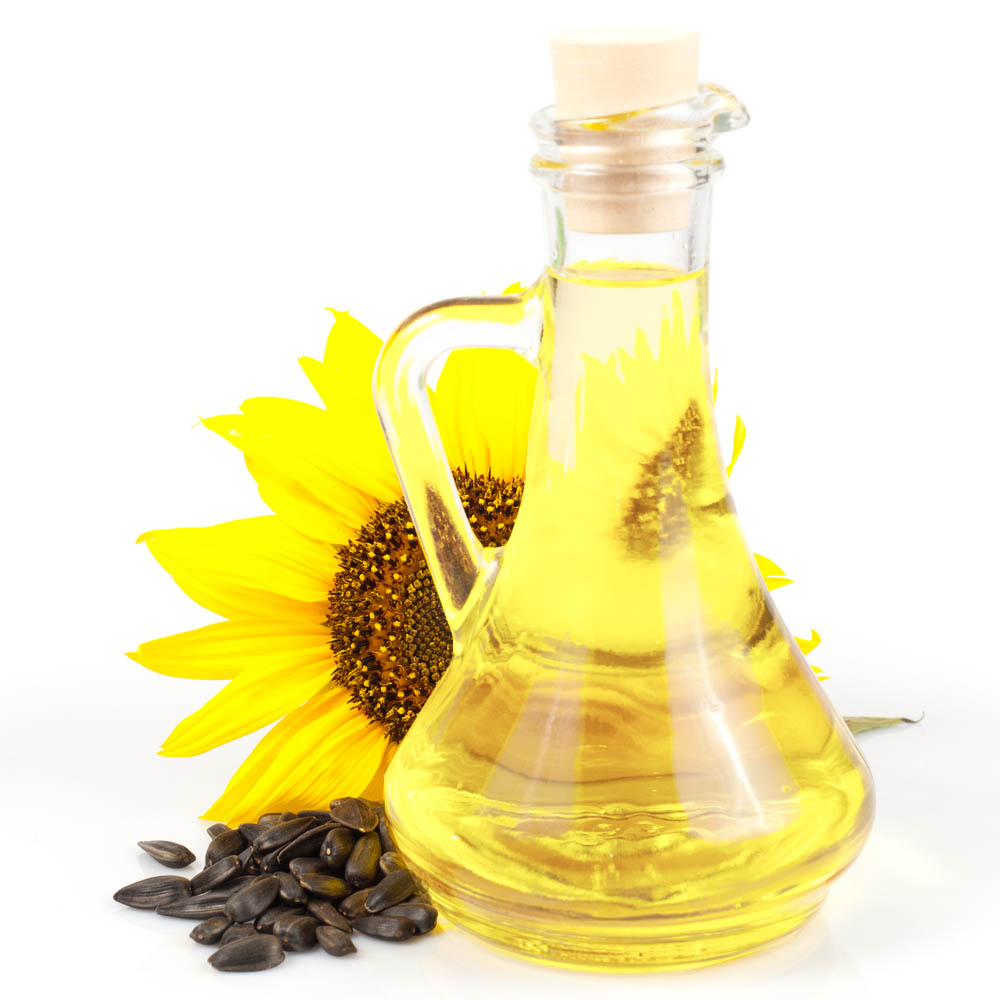
Sunflower Oil: The Sunshine in Your Kitchen
Let’s talk about sunflower oil, the golden elixir that adds a ray of sunshine to your cooking. This versatile oil has been used for centuries and continues to be a staple in many kitchens around the world. With its light flavor and numerous health benefits, sunflower oil is definitely worth exploring.
First things first, let’s shed some light on what exactly sunflower oil is. As the name suggests, it is extracted from the seeds of the sunflower plant (Helianthus annuus). These seeds are packed with nutrients and healthy fats, making them an excellent source for this flavorful oil.
One of the biggest advantages of using sunflower oil is its high smoke point, which means you can crank up the heat without worrying about it breaking down and releasing harmful compounds. This makes it perfect for frying or sautéing your favorite dishes without compromising their taste or nutritional value.
Not only does sunflower oil handle heat like a champ, but it also contains essential fatty acids such as omega-6 and omega-9. These fatty acids play a crucial role in maintaining good heart health by reducing bad cholesterol levels in our bodies. So, go ahead and drizzle that golden goodness over your salads guilt-free!
Speaking of salads, if you’re looking for a lighter alternative to heavy dressings or mayonnaise-based sauces, look no further than sunflower oil. Its delicate flavor enhances any salad dressing while keeping things fresh and vibrant. Plus, its smooth texture blends effortlessly with other ingredients to create creamy emulsions that will leave your taste buds dancing.
But wait! Sunflowers have more tricks up their sleeves! Sunflower oil also contains Vitamin E – an antioxidant powerhouse that helps protect our cells from damage caused by free radicals roaming around our bodies like mischievous little troublemakers. Incorporating this nutrient-rich oil into your diet can give you an extra boost of Vitamin E, helping you maintain healthy skin, hair, and nails.
Now that we’ve established its health benefits let’s move on to some fun facts about sunflower oil. Did you know that sunflowers follow the sun as they grow? That’s right! They have a phenomenon called heliotropism, which means their flowers face towards the sun during the day and turn back towards the east at night. It’s like they’re doing a little dance for Mother Nature!
In addition to being an entertaining plant, sunflowers also have historical significance. Native to North America, these bright blooms were cultivated by Native American tribes long before Europeans arrived on their shores. The seeds not only provided nourishment but were also used for medicinal purposes such as soothing snake bites and relieving respiratory ailments.
When it comes to cooking with sunflower oil, there are a few things worth mentioning. While it is generally considered safe for consumption, individuals with allergies or sensitivities should exercise caution. Additionally, like any other oil high in unsaturated fats, moderation is key due to its calorie content.
It’s important to note that not all sunflower oils are created equal. There are two main types: high-oleic and mid-oleic varieties. High-oleic oils contain higher levels of monounsaturated fat compared to their mid-oleic counterparts. These monounsaturated fats are known for their heart-friendly properties and can help reduce inflammation in our bodies.
So how do you choose between high-oleic and mid-oleic? Well, it depends on your needs and preferences. If you’re looking for an oil with a longer shelf life (let’s face it – we’ve all forgotten about that bottle tucked away in the cupboard), then high-oleic is your go-to option due to its greater stability against oxidation.
On the other hand, if you’re more concerned about flavor nuances in your dishes or prefer a milder taste, mid-oleic sunflower oil might be your best bet. It’s all about finding the perfect balance between health benefits and culinary pleasure.
Now that we’ve covered the basics, let’s dive into some creative ways to incorporate sunflower oil into your everyday cooking.
1. Baking Bliss: Swap out butter or vegetable oil in your favorite baked goods recipes with sunflower oil for a lighter and healthier alternative. It adds moisture without compromising on flavor.
2. Popcorn Pizzazz: Take your movie nights to the next level by drizzling some warm sunflower oil over freshly popped popcorn, then sprinkle with your favorite seasonings for an irresistible snack.
3. Sauté Sensation: Heat up a pan with some sunflower oil and sauté vegetables until they’re perfectly tender-crisp. The light flavor of the oil allows the natural flavors of the veggies to shine through.
4. Marinade Magic: Create a mouthwatering marinade by combining sunflower oil with herbs, spices, and citrus juices for meats or tofu before grilling or roasting them to perfection.
5. Stir-Fry Supreme: Sunflower oil’s high smoke point makes it ideal for stir-frying those colorful veggies and protein-packed ingredients while preserving their nutritional value.
Remember, like any other ingredient in our kitchens, moderation is key when using sunflower oil. While it offers numerous health benefits when consumed as part of a balanced diet, too much of anything can be detrimental to our overall well-being.
So there you have it – an ode to sunflower oil! This versatile golden elixir not only brings sunshine into our kitchens but also provides us with essential nutrients while adding depth and flavor to our dishes. So go ahead and embrace this sunny delight – your taste buds will thank you!

Leave a Reply