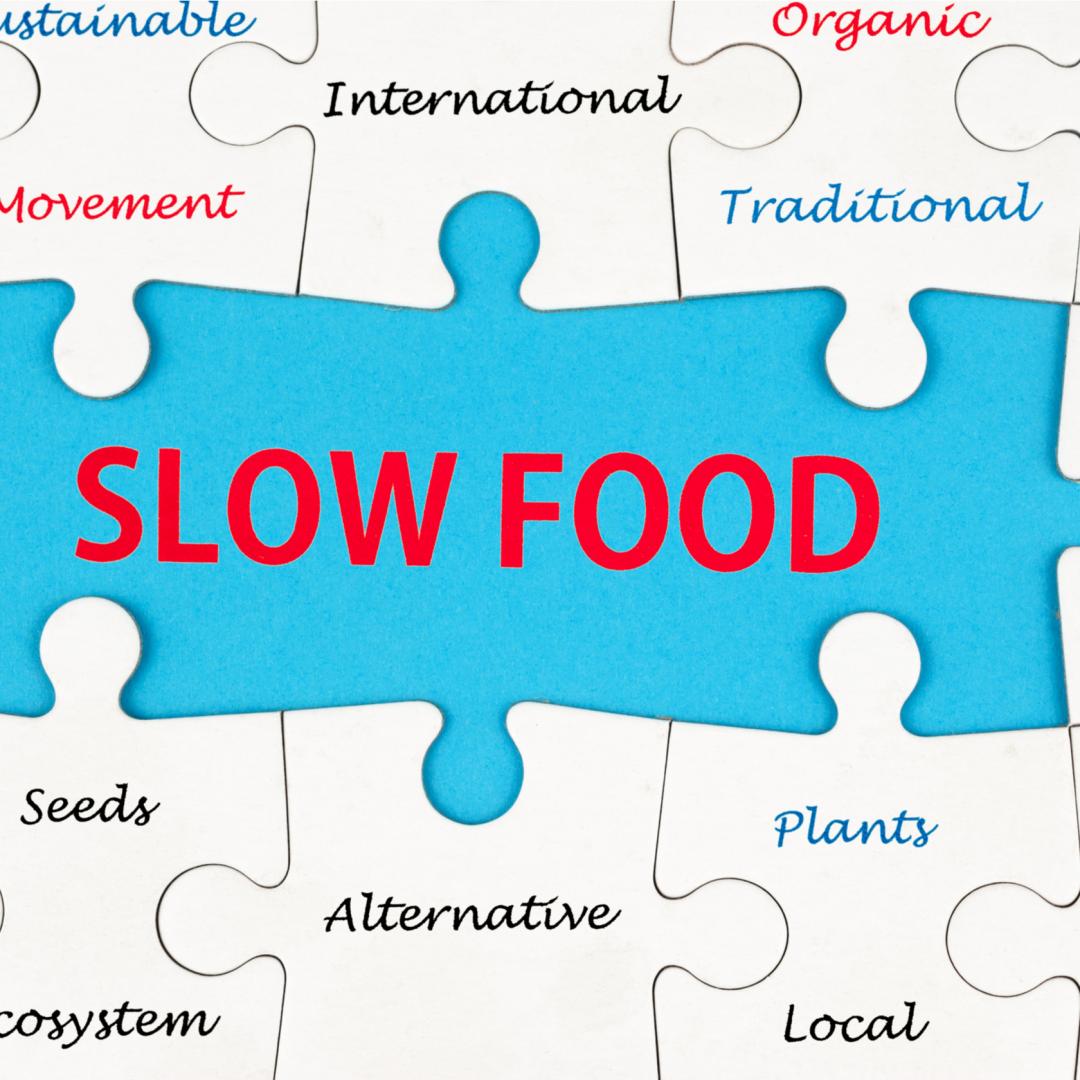
The Slow Food Movement: A Return to Wholesome and Sustainable Eating
In today’s fast-paced world, it is easy to overlook the importance of slowing down and taking time to savor the simple pleasures in life. This notion also extends to our relationship with food. The Slow Food movement, founded in Italy in 1986 by Carlo Petrini, aims to promote a return to wholesome and sustainable eating practices.
At its core, the Slow Food movement advocates for a conscious way of consuming food that emphasizes quality over quantity. It encourages individuals to take time to appreciate the origins of their meals, supporting local farmers and producers who prioritize sustainable agriculture.
One of the key principles of the Slow Food movement is “good, clean, and fair” food. By promoting good food, the movement seeks ingredients of high quality that are both flavorful and nutritious. Clean food refers to produce grown without harmful chemicals or pesticides that can harm both human health and the environment. Lastly, fair food emphasizes fair wages for farmers and producers while ensuring accessibility for all consumers.
In recent years, there has been a growing interest in this alternative approach to eating. People are becoming more aware of how their choices impact not only their own well-being but also the planet we inhabit. By choosing slow food options, individuals actively participate in creating a more sustainable future.
One significant aspect of slow food is its focus on seasonal eating. This means consuming fruits and vegetables when they are naturally abundant during specific times of the year rather than relying on imports from distant locations or greenhouse-grown produce available year-round.
Seasonal eating offers several benefits beyond simply supporting local farmers. Locally sourced foods have shorter transportation distances between farm-to-table compared to imported goods; thus reducing carbon emissions associated with long-distance transportations.
Furthermore, seasonal produce tends to be fresher as it is harvested at peak ripeness instead of being picked unripe for extended shelf life during transportation. Fresher produce not only tastes better but also retains more nutrients, ensuring that you are getting the most out of your food.
The Slow Food movement also encourages a return to traditional cooking methods. This means preparing meals from scratch using whole ingredients rather than relying on processed or pre-packaged foods. By doing so, individuals have greater control over what goes into their meals, reducing the consumption of unhealthy additives such as preservatives and artificial flavors.
Cooking from scratch can be seen as a form of self-care; it allows us to reconnect with our food and take pride in nourishing ourselves and our loved ones. It also provides an opportunity to pass down culinary traditions from one generation to another, preserving cultural heritage through food.
In addition to the health benefits associated with slow food practices, there is also an economic aspect worth considering. By supporting local farmers and producers, we contribute to the growth of small-scale businesses within our communities. This helps create jobs and strengthens local economies while fostering a sense of community connection.
To fully embrace the Slow Food movement’s principles, it is essential to adopt mindful eating habits. Mindful eating involves paying attention to the sensory experience of eating – savoring each bite, acknowledging flavors and textures, and appreciating the effort that went into producing the meal.
This practice not only enhances enjoyment but also promotes healthier portion control by allowing us to recognize when we are truly satisfied rather than mindlessly consuming large quantities of food. Mindful eating cultivates a deeper appreciation for every mealtime experience while encouraging moderation and balance in our diets.
In conclusion, The Slow Food movement offers an alternative approach to how we engage with food in today’s fast-paced world. By prioritizing quality over quantity, supporting local farmers, embracing seasonal produce, cooking from scratch, practicing mindful eating habits – we can make a positive impact on both our personal well-being and the environment around us. So why not slow down? Take time to enjoy your next meal, and join the Slow Food movement for a healthier, more sustainable future.

Leave a Reply