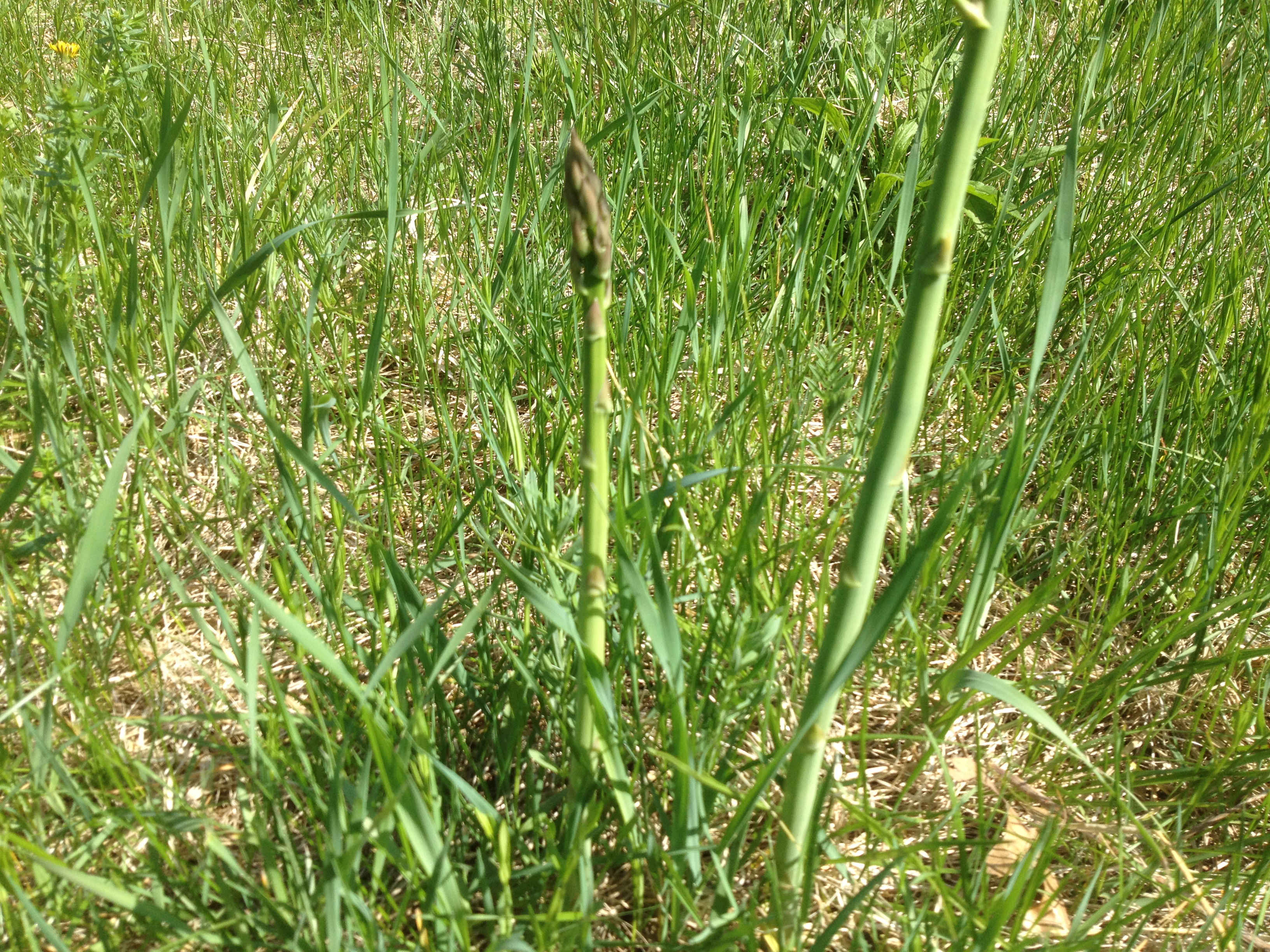
In the vast realm of wild edibles, few plants capture the imagination and taste buds quite like wild asparagus. Known for its distinct flavor and tender shoots, this resilient plant has a long history intertwined with human civilizations around the world. From ancient times to modern-day culinary delights, wild asparagus continues to captivate both foragers and food enthusiasts alike.
Wild asparagus, scientifically known as Asparagus officinalis, is a perennial plant native to Europe, North Africa, and Western Asia. It belongs to the Asparagaceae family and shares its lineage with garden asparagus – the cultivated counterpart commonly found in grocery stores today.
Historically speaking, evidence of humans consuming wild asparagus dates back thousands of years. In fact, ancient Egyptians depicted images of harvesting wild asparagus on their tomb walls during the reign of Pharaohs. The Greeks and Romans were also fond of this delicacy; they believed it possessed medicinal properties that could cleanse the body and improve overall health.
The allure of wild asparagus stems from its unique growth pattern in nature. Unlike its domesticated cousin that sprouts in neat rows within controlled environments, wild asparagus thrives in uncultivated landscapes such as fields, meadows, forests edges or disturbed areas along roadsides.
Typically growing between 1-3 feet tall (30-90cm), this herbaceous perennial features feathery green foliage reminiscent of fern leaves. Its delicate shoots emerge from underground rhizomes during springtime when soil temperatures rise above 50°F (10°C). These young shoots are what entice foragers due to their exceptional tenderness compared to older stalks which become tough and woody over time.
Cultivating wild asparagus can be an arduous task due to its preference for specific environmental conditions. This elusive plant favors well-drained sandy or loamy soils with plenty of sunlight exposure but also requires periods of winter dormancy to thrive. Its deep root system allows it to withstand drought conditions and resurface year after year, making it a resilient survivor in the wild.
For those seeking the thrill of foraging their own food, wild asparagus presents an exciting opportunity. The plant’s unique growth habit and early spring emergence make it a popular target for seasoned foragers and newcomers alike. However, caution must be exercised while harvesting to ensure sustainability and minimize damage to natural habitats.
When searching for wild asparagus, keep an eye out for its characteristic feathery foliage during late winter or early spring. Once located, carefully cut the young shoots at ground level using a sharp knife or shears – ensuring not to disturb neighboring plants or damage the rhizomes below. It is crucial always to leave some stalks behind so that they can continue growing, replenishing their energy reserves and propagating new shoots next season.
The culinary potential of wild asparagus extends far beyond simply boiling or steaming these delectable spears. Their distinct flavor pairs well with various cooking techniques such as grilling, roasting, sautéing or even pickling them for later use in salads and relishes. Additionally, incorporating wild asparagus into stir-fries or pasta dishes adds a vibrant touch while imparting their unique taste profile onto other ingredients.
Aside from its culinary merits, wild asparagus boasts several health benefits worth mentioning. Low in calories but high in essential nutrients like vitamins A, C, E, K along with minerals such as potassium and folate – this vegetable provides a nutritional boost when added to meals regularly. Moreover, its high fiber content promotes healthy digestion while being naturally diuretic properties help eliminate excess water from the body.
While foraging remains one way to enjoy the wonders of wild asparagus firsthand; procuring this delicacy can prove challenging due to limited availability and competition among fellow enthusiasts. Fortunately, farmers markets often offer cultivated varieties of wild asparagus, providing an accessible alternative for those unable to venture into the wilderness.
In conclusion, wild asparagus stands as a testament to nature’s abundant offerings and our enduring connection with it. From its ancient origins in Egyptian tombs to modern-day culinary delights, this resilient plant continues to captivate our senses and nourish our bodies. Whether you embark on a foraging adventure or seek out cultivated varieties, exploring the world of wild asparagus promises a delectable journey through history and gastronomy alike.

Leave a Reply