Incorporating More Plant-Based Proteins into a Flexitarian Diet
Introduction:
A flexitarian diet is a flexible approach to eating that focuses on incorporating mostly plant-based foods while occasionally including small amounts of animal products. This style of eating has gained popularity due to its health benefits, sustainability factor, and the ability to cater to individual dietary preferences. One key aspect of a flexitarian diet is ensuring an adequate intake of protein, which can easily be achieved by incorporating more plant-based protein sources into your meals. In this article, we will explore various plant-based protein options and provide tips for effectively incorporating them into your flexitarian diet.
The Importance of Protein in a Flexitarian Diet:
Protein plays a crucial role in our overall health as it helps build and repair tissues, supports immune function, aids in muscle development, and promotes satiety. While animal products are often considered the primary source of complete proteins (containing all essential amino acids), there are numerous plant-based alternatives that can provide us with the necessary nutrients.
Plant-Based Protein Sources:
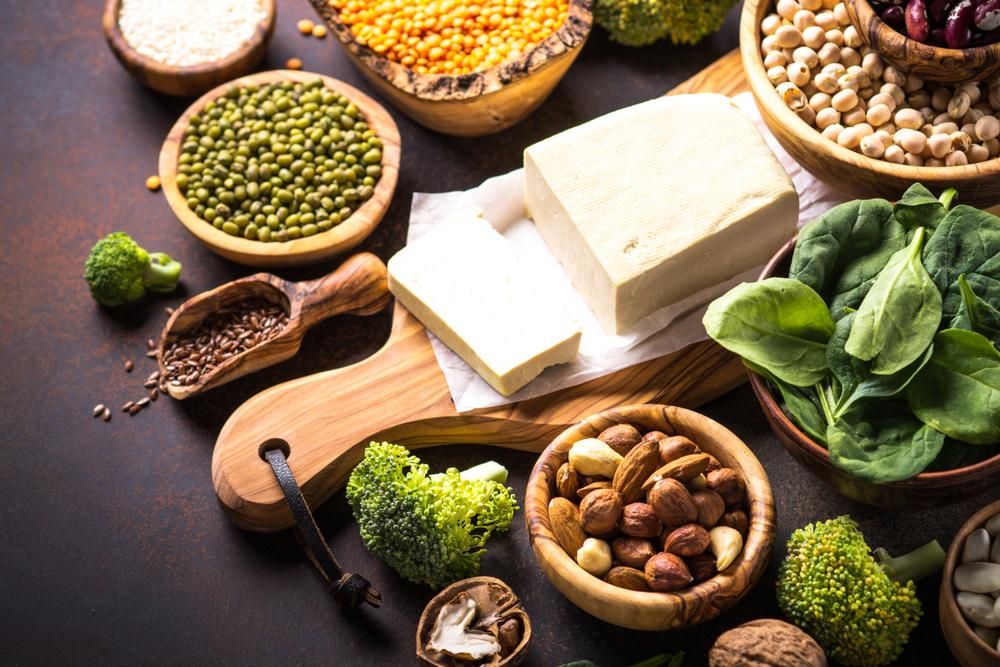
1. Legumes: Legumes such as lentils, chickpeas, black beans, and kidney beans are excellent sources of protein. They are also rich in fiber and other important nutrients like iron and folate. Incorporate legumes into your meals by adding them to soups, stews, salads or using them as the base for vegetarian patties or spreads like hummus.
2. Tofu and Tempeh: Tofu and tempeh are made from soybeans and offer a substantial amount of protein per serving. They also contain calcium and iron while being low in saturated fat. Experiment with different cooking methods like stir-frying or grilling to add variety to your dishes.
3. Quinoa: Quinoa is not only high in protein but also contains all nine essential amino acids required by our bodies. It can be used as a base for salads, added to soups, or used as a substitute for rice or pasta.
4. Nuts and Seeds: Almonds, walnuts, chia seeds, flaxseeds, and hemp seeds are all excellent sources of plant-based protein. They can be enjoyed as snacks on their own or incorporated into smoothies, baked goods, cereals, and salads.
5. Seitan: Seitan is a popular meat substitute made from wheat gluten. It has a high protein content and can be used in various recipes such as stir-fries, sandwiches, and stews.
6. Plant-Based Protein Powders: If you struggle to meet your protein needs through whole foods alone, plant-based protein powders can be an effective option. Look for powders made from ingredients like pea protein or brown rice protein that offer complete amino acid profiles.
Tips for Incorporating More Plant-Based Proteins:
1. Gradual Transition: Start by incorporating one new plant-based source of protein into your meals each week until you find a variety that suits your taste buds.
2. Experiment with Recipes: Explore different cuisines and recipes that highlight plant-based proteins such as lentil curry, tofu stir-fry, quinoa salad with chickpeas or black bean burgers.
3. Meal Prep: Batch cooking legumes or grains like quinoa ahead of time makes it easier to incorporate them into various meals throughout the week.
4. Combining Protein Sources: To ensure you obtain all essential amino acids from plants alone (without consuming animal products), combine different sources of plant-based proteins within the same meal or throughout the day.
5. Snack Smartly: Keep a stash of nuts/seeds or prepare homemade energy bars using nut butter and dried fruits to have healthy plant-based snacks on hand when hunger strikes.
6. Be Mindful of Nutrient Needs: While focusing on increasing plant-based proteins in your diet is important; pay attention to other nutrients like iron, calcium, and vitamin B12. Consider incorporating fortified plant-based milk alternatives or consulting a registered dietitian for personalized advice.
Conclusion:
Incorporating more plant-based proteins into your flexitarian diet is not only beneficial for your health but also contributes to a more sustainable and environmentally friendly lifestyle. By exploring various sources of plant-based proteins such as legumes, tofu, quinoa, nuts/seeds, seitan, and protein powders, you can ensure that your dietary needs are met while enjoying a wide range of delicious meals. Remember to experiment with different recipes and gradually incorporate these options into your routine for long-term success on your flexitarian journey.

Leave a Reply