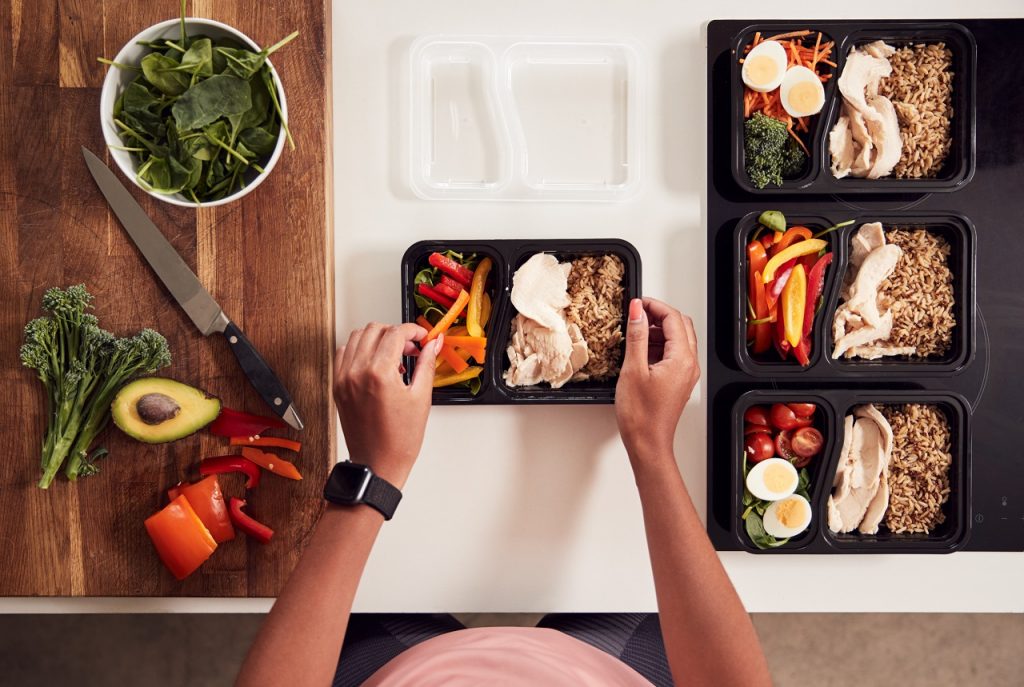
Portion control is a crucial aspect of maintaining a healthy diet. In today’s modern food culture, where oversized portions have become the norm, it can be challenging to gauge how much we should actually be eating. Whether dining out, attending special occasions or holidays, or simply eating at home, understanding portion sizes and implementing strategies to control them is essential for promoting overall health and well-being.
When dining out at restaurants, portion sizes tend to be significantly larger than what we would typically serve ourselves at home. It is important to be mindful of this and make conscious choices to avoid overeating. One effective strategy is to ask for a smaller plate or share an entree with someone else. This not only helps in controlling portion sizes but also saves money.
During holidays and special occasions, it’s easy to get caught up in the festive atmosphere and indulge in large quantities of food. However, practicing portion control during these times is equally important for maintaining a healthy lifestyle. Instead of loading your plate with excessive amounts of high-calorie dishes, try focusing on smaller portions and savoring each bite mindfully. Allow yourself the freedom to enjoy your favorite treats but do so in moderation.
Mindful eating goes hand-in-hand with portion control. By paying attention to our body’s hunger cues and being fully present while eating, we can better understand when we are satisfied rather than stuffed. Take time to chew slowly and savor every bite; this will help you recognize feelings of fullness earlier on.
Emotional eating often leads us down the path of overindulging in large portions as a means of comfort or coping with negative emotions. To combat emotional eating habits, it’s important to develop alternative stress-relief mechanisms such as exercise or engaging in hobbies that bring joy without involving food.
While managing our intake of proteins, carbohydrates, fats, fruits, and vegetables is crucial for a balanced diet, understanding appropriate portion sizes within these categories is equally important. Proteins should generally be consumed in portions about the size of a deck of cards – this could include lean meats, poultry, fish, or plant-based sources like tofu or legumes. Carbohydrates such as grains and starchy vegetables should be limited to around the size of a tennis ball.
Fats are an essential part of our diet but should be consumed in moderation due to their high calorie content. A healthy portion size for fats is typically around one tablespoon or the size of your thumb. This includes oils, nuts, seeds, and avocados.
When it comes to fruits and vegetables, it’s encouraged to fill half your plate with these nutrient-rich foods. Aim for at least two cups of vegetables and one cup of fruit per meal. Remember that variety is key; try incorporating different colors and types into your meals for maximum nutritional benefit.
Measuring portions without a scale can seem challenging at first but becomes easier with practice. Using visual cues can help estimate appropriate portion sizes. For example, one serving of meat is roughly equal to the palm of your hand or a deck of cards; one serving of pasta is about the size of your closed fist.
Plate size also plays a significant role in portion control. Studies have shown that larger plates lead to larger servings consumed unconsciously. By using smaller plates and bowls, we naturally limit our portion sizes without feeling deprived.
Additionally, paying attention to serving utensils can influence how much we serve ourselves during meals. When using large spoons or spatulas, we tend to dish out more food compared to when using smaller utensils. Being mindful while serving ourselves can prevent excessive portions from ending up on our plates.
Strategies for avoiding overeating at buffets or parties involve being selective with choices and practicing self-control. Start by surveying all available options before making any selections; this allows you to make informed decisions rather than mindlessly piling food onto your plate. Choose smaller plates, fill them with a variety of colorful vegetables and lean proteins, and be cautious of high-calorie dishes or desserts.
Lastly, it’s important to acknowledge the concept of portion distortion prevalent in modern food culture. Over time, our perception of what constitutes a normal portion size has been skewed by larger servings offered at restaurants and fast-food chains. By being aware of this phenomenon and actively implementing portion control strategies, we can regain control over our eating habits and promote better health.
In conclusion, practicing portion control is crucial for maintaining a healthy diet. Whether dining out, attending special occasions or holidays, or simply eating at home, understanding appropriate portion sizes within different food groups is essential. By implementing strategies such as using visual cues, being mindful while serving ourselves, using smaller plates and utensils, and practicing self-control at buffets or parties, we can successfully manage our portions and promote overall well-being.

Leave a Reply