Seasonal Eating: A Journey Towards Health and Sustainability
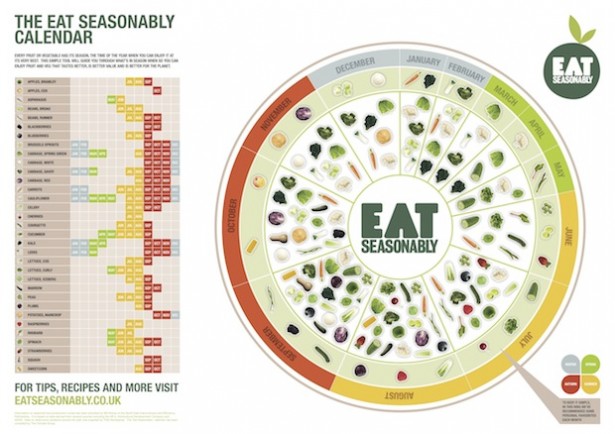
In today’s fast-paced and interconnected world, it can be easy to lose touch with the natural rhythms of the seasons. We have become accustomed to having access to a wide variety of fruits and vegetables year-round, regardless of whether they are in season or not. However, there is a growing movement that encourages us to embrace seasonal eating – consuming foods that are locally available during specific times of the year.
Seasonal eating is not just about enjoying fresh produce at its peak flavor; it also has numerous benefits for our health and the environment. When we eat seasonally, we support local farmers, reduce food miles (the distance our food travels from farm to plate), decrease our carbon footprint, and promote biodiversity.
One key principle of seasonal eating is sourcing ingredients locally. Locally sourced ingredients are those that come from nearby farms or producers within a certain radius. This practice helps build strong connections between farmers and consumers while supporting local economies.
To facilitate this connection between farmers and consumers, community-supported agriculture (CSA) programs have gained popularity in recent years. CSA allows individuals or families to purchase shares in a farm’s harvest before the growing season begins. In return, they receive regular deliveries of fresh produce throughout the season. This direct relationship between farmer and consumer fosters a sense of community while ensuring that small-scale farmers receive fair compensation for their hard work.
Another important aspect of sustainable eating is choosing organic farming practices whenever possible. Organic farming avoids synthetic pesticides, herbicides, fertilizers, and genetically modified organisms (GMOs). Instead, it focuses on building healthy soil ecosystems through composting, crop rotation, cover cropping, and other methods that enhance biodiversity.
Sustainable farming methods go hand-in-hand with organic practices by minimizing environmental impact while maximizing productivity in harmony with nature. These methods include agroforestry – integrating trees into agricultural systems – as well as permaculture and food forests, which mimic natural ecosystems to create self-sustaining food production systems.
Urban farming and rooftop gardens have also emerged as innovative solutions for growing food in densely populated areas. These projects not only provide fresh produce to urban communities but also promote green spaces in cities, improve air quality, and reduce the heat island effect.
Permaculture principles take sustainable food production a step further by designing systems that work with nature’s patterns instead of against them. By observing natural cycles and using diverse plantings, permaculturists aim to minimize waste while maximizing yield.
Regenerative agriculture takes this concept even further by focusing on restoring soil health through practices such as cover cropping, minimal tillage, rotational grazing, and composting. This approach aims to regenerate degraded soils while sequestering carbon from the atmosphere – a crucial strategy in mitigating climate change.
While sustainable farming methods are essential for our future food security, it is equally important to address the issue of food waste on farms. Food waste reduction strategies involve initiatives like gleaning – gathering leftover crops after harvest – or diverting surplus produce to local food banks or processing facilities. By reducing waste at the farm level, we can make better use of precious resources and ensure that more people have access to nutritious foods.
Preserving biodiversity is another critical aspect of sustainable agriculture. Heritage and heirloom varieties of fruits and vegetables play an integral role in maintaining genetic diversity within our agricultural system. These varieties often possess unique flavors, textures, and nutritional profiles that may be lost if not actively conserved.
In addition to plant diversity, ethical treatment of animals should be a priority in farming practices. Raising livestock using regenerative methods allows animals to graze on open pastures where they can express their natural behaviors while contributing positively to soil health through their manure.
Biodynamic farming principles take organic agriculture one step further by incorporating spiritual elements into holistic farm management practices. Biodynamic farmers view their farms as living organisms that are interconnected with cosmic forces. They follow a strict set of principles and practices to enhance soil fertility, biodiversity, and overall farm resilience.
Agroforestry and food forests combine trees, shrubs, herbs, and other crops in multi-layered systems that mimic natural ecosystems. These diverse plantings provide habitat for wildlife while producing a variety of nutritious foods. Agroforestry systems can also help mitigate climate change by sequestering carbon in both above- and below-ground biomass.
Indigenous food systems offer valuable insights into traditional farming techniques that have sustained communities for centuries. By incorporating traditional knowledge into modern agricultural practices, we can learn from indigenous cultures’ deep respect for the land and their sustainable approaches to food production.
Farmer’s markets play a vital role in connecting farmers directly with consumers while promoting local economies. These vibrant community spaces not only offer fresh produce but also foster connections between growers and eaters. Farmer’s markets often feature educational programs such as cooking demonstrations or workshops on sustainable gardening practices.
Farm-to-table restaurants and chefs who prioritize sustainable sourcing have become influential advocates for changing our food system. By showcasing locally sourced ingredients on their menus, these establishments support small-scale farmers while offering diners a taste of seasonal bounty.
Farming cooperatives and collective ownership models empower small-scale farmers by pooling resources, sharing knowledge, and collectively marketing their products. This collaborative approach helps overcome some of the challenges independent farmers face in an increasingly industrialized agricultural landscape.
Seed saving initiatives promote biodiversity preservation by encouraging individuals to save seeds from open-pollinated plants rather than relying solely on commercially available hybrid or GMO varieties. This practice contributes to resilient seed banks that preserve heirloom varieties adapted to specific regions.
Alternative farming methods like aquaponics (combining fish farming with hydroponics) or hydroponics (growing plants without soil using nutrient-rich water) offer innovative solutions for growing fresh produce year-round in limited spaces. These techniques minimize water usage and can be practiced in urban areas or regions with soil limitations.
Soil health management practices focus on building nutrient-rich soils that produce healthy, flavorful crops. This includes adding organic matter through composting, cover cropping, and minimizing tillage. Healthy soils not only benefit plant growth but also sequester carbon and improve water retention.
Composting is an essential part of organic waste management on farms. By recycling food scraps, crop residues, and animal manure into nutrient-rich compost, farmers close the loop on their waste streams while enhancing soil fertility.
Farm apprenticeships and educational programs play a crucial role in training the next generation of farmers. These hands-on experiences provide aspiring farmers with practical knowledge about sustainable farming practices while fostering a deep connection to the land.
Food safety regulations are important in farm-to-table operations to ensure that consumers receive safe and high-quality products. Farms must adhere to rigorous standards for handling, processing, and storing food to prevent contamination and protect public health.
Lastly, we cannot overlook the vital role bees play in our food production system as pollinators. Bees help fertilize flowers that develop into fruits or seeds – a process critical for many crops’ reproduction. Protecting bees from pesticides and providing them with diverse forage sources is essential for maintaining healthy ecosystems and ensuring fruitful harvests.
In conclusion, embracing seasonal eating along with sustainable farming practices is not just about nourishing ourselves; it is also about caring for the planet we call home. By choosing locally sourced ingredients, supporting small-scale farmers through CSA programs or farmer’s markets, promoting regenerative agriculture methods, reducing food waste on farms,
preserving biodiversity through heritage varieties or seed saving initiatives,
and prioritizing ethical treatment of animals,
we can create a more resilient food system that sustains both our bodies
and the environment. So let us embark on this journey towards health
and sustainability by reconnecting with nature’s rhythms and making conscious choices that benefit ourselves, our communities, and future generations.

Leave a Reply