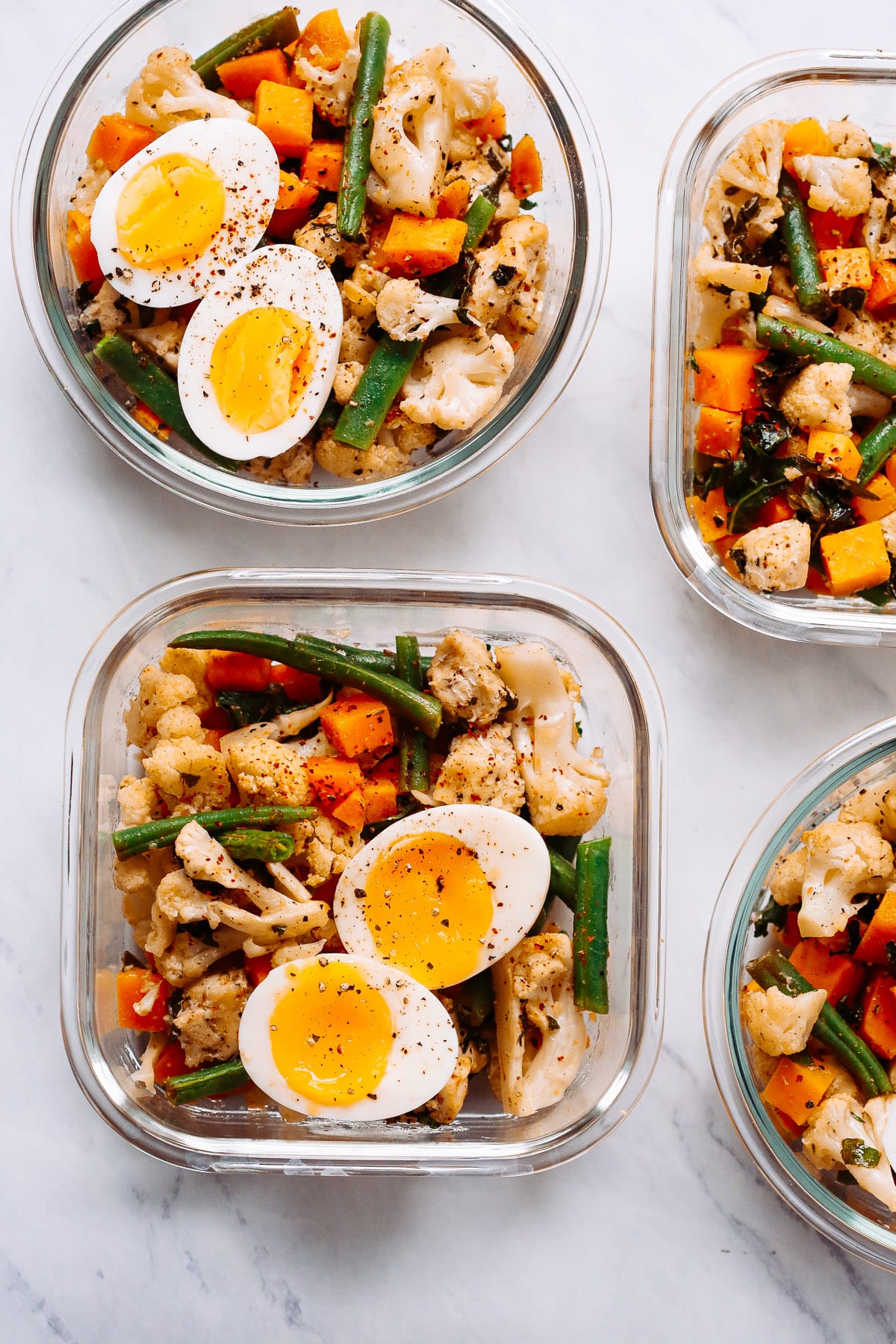
Vegan meal prep for busy professionals has become increasingly popular as more individuals adopt a plant-based lifestyle. With hectic schedules and limited time for cooking, meal prepping can be a game-changer. By dedicating just a few hours each week to preparing meals in advance, busy professionals can ensure they have healthy and delicious vegan options readily available.
When it comes to vegan meal prep, it’s all about planning and organization. Start by creating a weekly meal plan that includes a variety of nutrient-rich ingredients like whole grains, legumes, fruits, vegetables, and plant-based proteins. Batch cook staples such as quinoa or brown rice, roasted vegetables, and beans to use as the base for different meals throughout the week.
Investing in quality food storage containers is essential for effective meal prep. Opt for glass or BPA-free plastic containers that are microwave-safe and stackable to maximize fridge space. Portion out your prepared meals into individual containers to grab on-the-go or take to work.
In addition to main dishes, don’t forget about snacks! Vegan alternatives to processed snacks are abundant and can satisfy cravings without compromising health goals. Swap out potato chips with air-popped popcorn seasoned with nutritional yeast or make your own trail mix using nuts, seeds, dried fruit, and dark chocolate chunks.
Fermented foods offer numerous benefits when incorporated into a vegan diet. They contain beneficial probiotics that promote gut health and aid digestion. Foods like sauerkraut, kimchi, tempeh (fermented soybean), miso paste (made from fermented soybeans), and kombucha (fermented tea) are excellent choices for adding fermented goodness to your meals.
While tofu and tempeh are commonly known as vegan protein sources beyond meat substitutes like seitan or texturized vegetable protein (TVP), there is an array of lesser-known options worth exploring too! Foods such as lentils, chickpeas (and other legumes), quinoa, hemp seeds, chia seeds, spirulina, and nutritional yeast are all great sources of protein for vegans.
Fast-food chains may not always be associated with vegan-friendly options, but times are changing. Many restaurants now offer plant-based alternatives to traditional menu items. From Beyond Meat burgers to vegetable wraps and salads, it’s easier than ever for busy professionals to find vegan options when eating out or on the go.
Eating a vegan diet on a budget is absolutely achievable. One tip is to focus on whole foods that are affordable and versatile such as beans, lentils, rice, oats, frozen fruits and vegetables. Buying in bulk can also help reduce costs. Additionally, planning meals ahead of time and avoiding impulse purchases can prevent food waste and save money in the long run.
Refined sugars can be found in many baked goods; however, there are plenty of ways to enjoy vegan baking without them. Natural sweeteners like maple syrup or agave nectar can be used instead of refined sugar. Alternative flours such as almond flour or coconut flour can also replace traditional wheat flour in recipes.
While tofu and tempeh are considered staple foods for vegans looking for protein sources beyond meat substitutes like seitan or texturized vegetable protein (TVP), there is an array of lesser-known superfoods worth exploring too! Foods such as maca powder (derived from Peruvian root), camu camu (a vitamin C-rich berry), moringa leaf powder (packed with nutrients), jackfruit (a versatile fruit that mimics pulled pork texture) deserve attention due to their incredible nutrient profile.
With the increasing popularity of plant-based diets among athletes and fitness enthusiasts comes the need for proper nutrition guidance tailored specifically to their needs. Vegan athletes should pay attention to consuming adequate amounts of protein from various plant sources including legumes, nuts/seeds, whole grains while ensuring sufficient intake of essential vitamins and minerals like iron, zinc, vitamin B12, and omega-3 fatty acids.
Sustainable packaging options for vegan products are gaining momentum as people become more aware of the environmental impact of single-use plastics. Brands are now offering compostable or biodegradable packaging made from plant-based materials or recycled materials. By choosing products that prioritize sustainable packaging, vegans can align their values with their purchases.
The production of palm oil has been linked to deforestation and habitat destruction, which threatens wildlife species such as orangutans and tigers. It’s important for consumers to be aware of the environmental impact of palm oil in vegan products and opt for alternatives whenever possible. Look for products that use sustainably sourced palm oil or choose alternatives like coconut oil or olive oil.
When it comes to skincare and beauty products, many individuals are seeking vegan options that align with their ethical beliefs. When shopping for vegan skincare and beauty products, it’s crucial to look out for certifications from cruelty-free organizations like Leaping Bunny or PETA. Additionally, avoid ingredients derived from animals such as beeswax, lanolin (from sheep), or carmine (derived from insects).
Soy is a highly debated topic within the vegan community due to misconceptions surrounding its health effects. However, soy is a versatile source of protein that offers numerous health benefits when consumed in moderation. Studies have shown that moderate soy consumption can actually have positive effects on heart health and hormonal balance.
Vegan-friendly travel destinations and restaurants are increasing in number globally as demand grows for plant-based dining options. Cities like Los Angeles, Berlin, London, Melbourne have emerged as hotspots for vegans due to the abundance of vegan-friendly eateries serving innovative plant-based dishes.
Probiotics play an important role in maintaining gut health by promoting the growth of beneficial bacteria in our digestive system. While traditionally associated with yogurt and other dairy products, probiotics can also be found in vegan sources like sauerkraut, kimchi, kombucha, and dairy-free yogurts made from coconut milk or almond milk.
Plant-based diets can provide all the necessary nutrients for a healthy pregnancy and breastfeeding period. Pregnant women and lactating mothers should focus on consuming a variety of plant-based proteins, iron-rich foods (such as leafy greens and legumes), calcium sources (like fortified plant-based milks), omega-3 fatty acids (found in chia seeds, flaxseeds, walnuts), and vitamin B12 through supplementation.
Seaweed is an excellent addition to a vegan diet as it provides essential minerals like iodine, iron, magnesium, and calcium. It can be incorporated into meals by adding dried seaweed flakes to soups or stews or using nori sheets as wraps for sushi-like rolls. Seaweed snacks are also becoming popular alternatives to processed snacks.
Omega-3 fatty acids are important for overall health and are commonly associated with fish consumption. However, there are plant-based sources of omega-3s that vegans can incorporate into their diet such as chia seeds, flaxseeds/flaxseed oil, hemp seeds/hemp seed oil, walnuts/walnut oil.
Navigating social situations as a vegan can sometimes be challenging. Whether attending family gatherings or dining out with friends who may not understand your dietary choices fully it’s essential to approach these situations with grace and open communication. Be prepared to explain your reasons for being vegan politely while offering suggestions or alternatives if needed.
Making homemade plant-based milk alternatives is simple and cost-effective. Popular options include almond milk made from soaked almonds blended with water then strained through cheesecloth; oat milk made using rolled oats blended with water then strained similarly; cashew milk made by blending soaked cashews with water until smooth; or even hemp seed milk which involves blending hulled hemp seeds with water and straining. These homemade alternatives are free from additives or preservatives often found in store-bought options.
In conclusion, the world of veganism is constantly evolving and expanding. With meal prep tips for busy professionals, alternatives to processed snacks, fermented foods’ benefits, diverse protein sources, fast-food chain options, budget-friendly grocery shopping tips, refined sugar-free baking ideas, lesser-known superfoods to explore, nutrition guidance for athletes and fitness enthusiasts – there are endless possibilities for a vibrant plant-based lifestyle. Additionally, topics like sustainable packaging options, palm oil’s environmental impact in vegan products, vegan skincare and beauty products criteria can help individuals make more informed choices. From soy misconceptions to seaweed incorporation into the diet; omega-3 fatty acids importance to social situations advice; DIY plant-based milk alternatives at home – this overview touches on various aspects of living a healthy and compassionate vegan lifestyle.

Leave a Reply