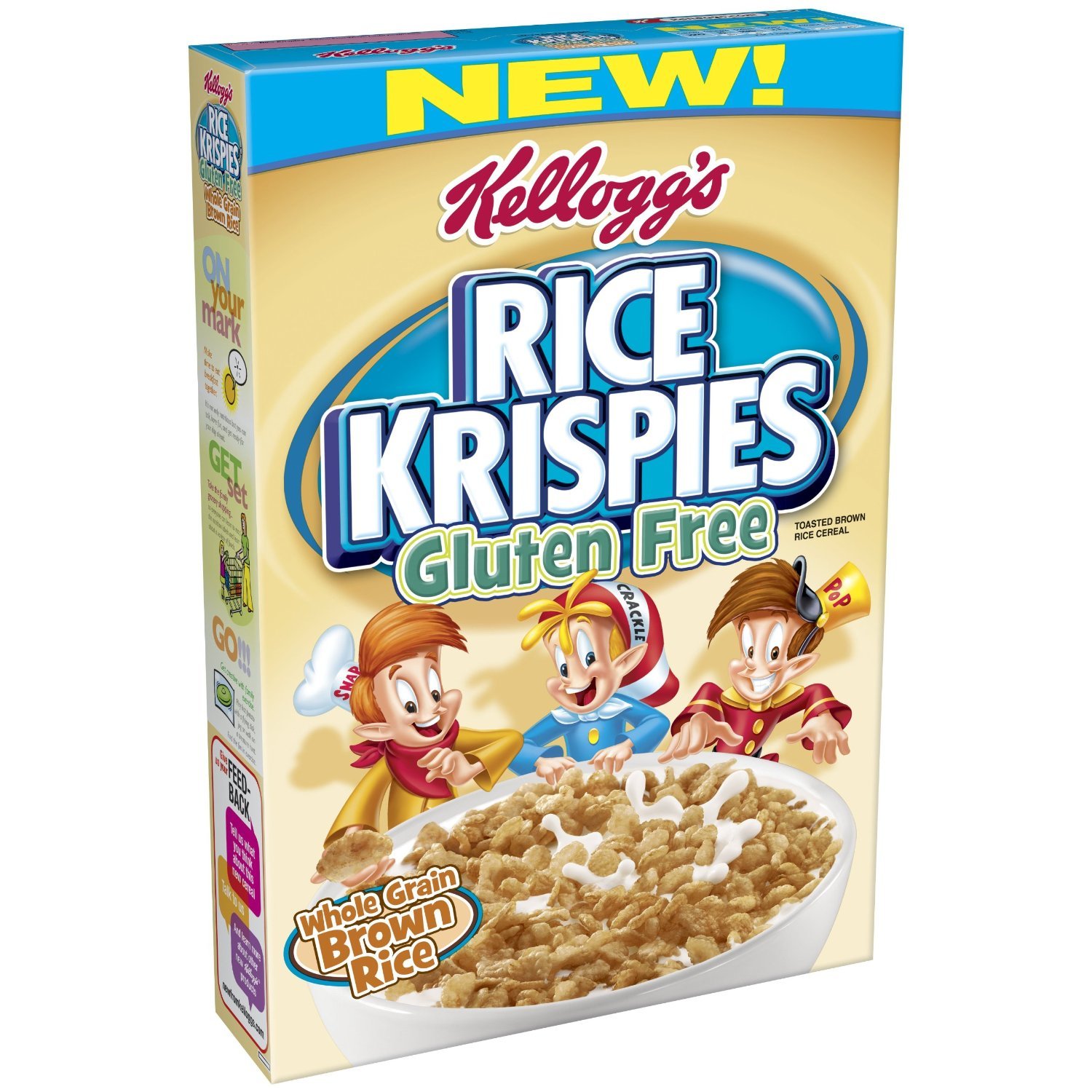
As the demand for gluten-free products continues to rise, more and more people are exploring alternatives to traditional grains and cereals. Whether you have celiac disease, a gluten intolerance, or simply choose to follow a gluten-free diet for health reasons, there are numerous options available that can still provide essential nutrients and delicious flavors. In this article, we will explore some of the most popular gluten-free grains and cereals and discuss their benefits.
1. Quinoa: Often referred to as a “superfood,” quinoa is not technically a grain but rather a seed. It is naturally gluten-free and packed with protein, fiber, vitamins (such as B vitamins), minerals (like magnesium), and antioxidants. Quinoa has become increasingly popular due to its versatility; it can be used in salads, side dishes, soups, or even as a substitute for rice in various recipes.
2. Brown Rice: A staple in many cultures around the world, brown rice is an excellent source of carbohydrates and provides essential nutrients such as fiber, magnesium, selenium, manganese, and B vitamins. It offers a slightly nutty flavor that pairs well with different cuisines. Brown rice can be enjoyed on its own or incorporated into stir-fries or pilafs.
3. Buckwheat: Despite its name containing “wheat,” buckwheat is actually completely gluten-free because it belongs to the family of pseudo-cereals. This nutritious grain alternative contains high levels of protein compared to other grains while also providing fiber, iron, zinc, potassium, phosphorus,and B vitamins like niacin and folate. Buckwheat flour makes delicious pancakes or can be added to baked goods for an earthy taste.
4. Millet: Millet is another ancient grain that has been cultivated for thousands of years worldwide.It’s rich in minerals such as copper,magnesium,and phosphorus while also supplying good amounts of B vitamins,fiber,and antioxidants. Millet has a mild, nutty flavor and can be cooked on its own or incorporated into pilafs, porridges, or even used as a gluten-free flour alternative.
5. Amaranth: This tiny grain is often overlooked but packs a powerful nutritional punch.It’s an excellent source of protein,fiber,and minerals like iron,magnesium,and phosphorus.Amaranth also contains lysine,an essential amino acid that is usually lacking in other grains.Its slightly peppery taste makes it an interesting addition to salads,soups,stews,or even baked goods.
6. Oats (certified gluten-free): While oats themselves are naturally gluten-free, they are often cross-contaminated with gluten during processing. However, certified gluten-free oats are available and safe for those with celiac disease or gluten sensitivities.Oats provide important nutrients such as fiber,beta-glucans (which have been linked to heart health),and various vitamins and minerals.Additionally,oats can be enjoyed in many forms including oatmeal,cereal bars,and granola.
7. Sorghum: Commonly consumed in Africa and Asia,sorghum is gaining popularity worldwide due to its versatility,nutrition profile,and lack of gluten.Sorghum offers dietary fiber,potassium,magnesium,zinc,and B vitamins.As it has a neutral flavor,it can be used in both sweet and savory recipes such as soups,stews,breads,cakes,pastas,and more.
8. Teff: Originating from Ethiopia,this ancient grain provides high amounts of calcium,fiber,and iron.Teff is also rich in resistant starch which acts as a prebiotic,fueling the beneficial bacteria in our gut.Fluffy teff grains can be used to make injera,a traditional Ethiopian flatbread,but it can also be utilized in baking,making porridge or added to soups for extra thickness.
9. Corn: Corn is one of the most widely consumed grains worldwide and is naturally gluten-free. While it may not be as nutrient-dense as some other options,it still provides fiber,vitamin C,and various antioxidants.Corn can be enjoyed in many forms including cornmeal,popcorn,tacos,or tortillas.
10. Wild Rice: Despite its name,wild rice is actually a grass seed that is native to North America.It’s higher in protein,fiber,and certain minerals compared to traditional white or brown rice.Wild rice has a distinct nutty flavor and can be used on its own or mixed with other grains for added texture and taste.
In conclusion, there are plenty of gluten-free alternatives to traditional grains and cereals available today. Quinoa, brown rice, buckwheat, millet, amaranth,sorghum,teff,corn,oats (certified gluten-free),and wild rice offer various flavors,textures,and nutrients to suit different dietary needs and preferences. By incorporating these gluten-free options into your diet,you can enjoy a wide range of delicious meals while still maintaining a healthy lifestyle.

Leave a Reply