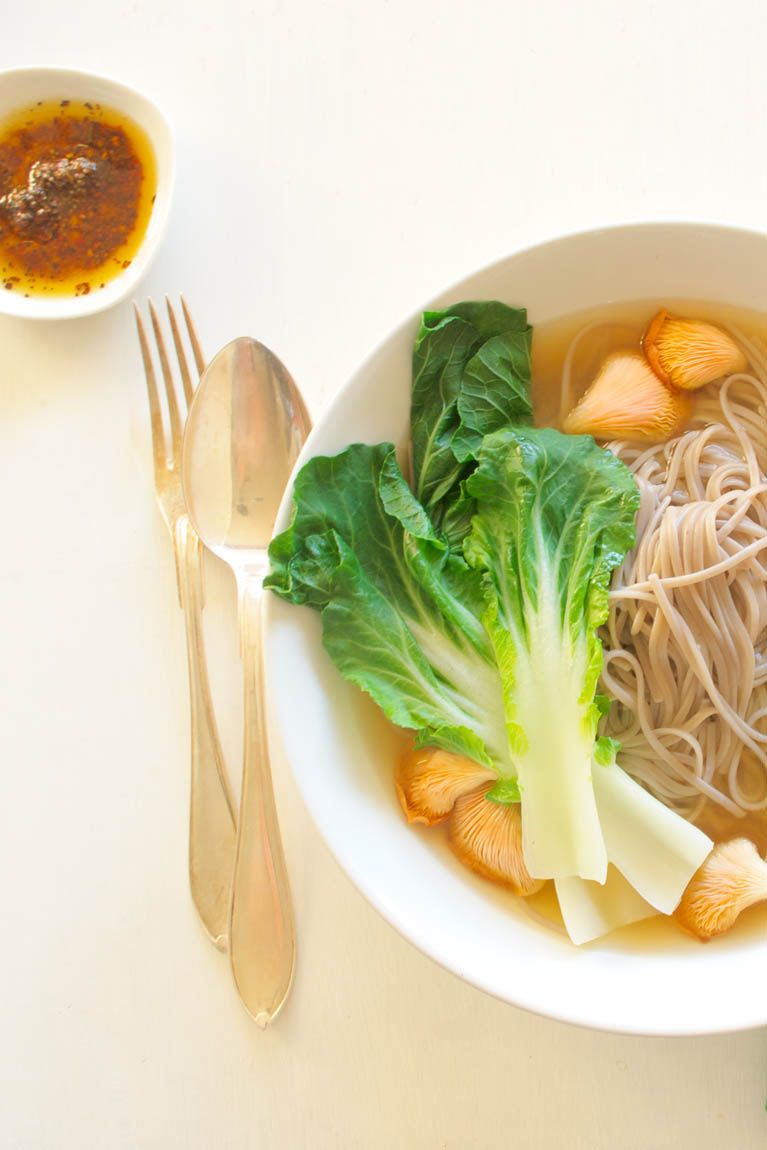
Miso: A Vegan Umami Powerhouse
When it comes to flavor, umami is often the missing puzzle piece in many vegan dishes. The savory and complex taste of umami adds depth and richness that can elevate a plant-based meal from ordinary to extraordinary. Traditionally, umami has been associated with ingredients like meat, fish, and dairy products. However, there is a secret weapon in the vegan world that can provide that same burst of deliciousness – miso.
Miso is a traditional Japanese ingredient made from fermented soybeans mixed with salt and koji (a type of fungus). It has been widely used in Japanese cuisine for centuries as a seasoning agent, soup base, marinade, or even as a condiment. While miso has gained popularity in recent years among health enthusiasts and vegans alike for its nutritional benefits and unique flavor profile, its potential as an umami powerhouse remains largely untapped.
So how exactly does miso contribute to the elusive umami taste? The answer lies in its composition. Miso contains glutamate compounds which are responsible for creating that sought-after savory flavor. When these compounds combine with other elements on our taste buds, they create an explosion of mouthwatering taste sensations.
Choosing the Right Miso
Before delving into ways to incorporate miso into your vegan dishes, let’s explore different types of miso available on the market:
1. White Miso: Also known as Shiro Miso or Sweet Miso due to its lighter color and milder flavor profile compared to other varieties. It pairs well with delicate flavors like light soups or dressings.
2. Yellow Miso: Known as Shinshu Miso or Barley Miso; this type offers a balanced combination of sweetness and saltiness making it versatile enough for various cooking applications such as glazes or stews.
3. Red Miso: Also called Akamiso; this variety is fermented for a longer period, resulting in a stronger and more robust flavor. Red miso works well in heartier dishes like stir-fries or hearty soups.
4. Hatcho Miso: Made solely from soybeans and traditionally aged for at least two years, this intensely flavored miso is perfect for those who crave a bold umami punch.
Incorporating Miso into Your Vegan Dishes
Now that you have an understanding of the different types of miso, let’s explore some creative ways to introduce this vegan umami powerhouse into your meals:
1. Miso Broth: A simple yet effective way to add depth to any soup or stew is by incorporating miso broth as the base. Start by dissolving a tablespoon or two of miso paste in warm water (avoid boiling it) and then use it as the foundation for your favorite recipes.
2. Salad Dressings: Transform your boring salads into mouthwatering delights with a homemade miso dressing. Whisk together white or yellow miso, rice vinegar, olive oil, sesame oil, grated ginger, and a touch of sweetener like maple syrup or agave nectar for balance.
3. Marinades and Glazes: Create tantalizing flavors by using miso as a marinade or glaze for tofu, tempeh, vegetables, or even plant-based meats. Combine red miso with mirin (a Japanese sweet rice wine), soy sauce/tamari/coconut aminos (for gluten-free option), garlic powder/ginger powder/onion powder (or fresh equivalents), and some sweetness like brown sugar/date syrup/maple syrup depending on your taste preferences.
4. Umami Boosters: Enhance the savory notes in your dishes by adding small amounts of miso alongside other umami-rich ingredients such as mushrooms (shiitake mushrooms are especially potent), nutritional yeast flakes, dried seaweed (like kombu or nori), or soy sauce/tamari/coconut aminos.
5. Miso Mayo: Elevate your sandwiches, wraps, or veggie burgers by incorporating miso into your homemade vegan mayo. Simply blend together silken tofu, miso paste, lemon juice, Dijon mustard, garlic powder/onion powder/smoked paprika (optional), and a pinch of salt until smooth and creamy.
6. Miso-Caramelized Vegetables: Roasting vegetables is always a great way to enhance their natural flavors but adding a miso glaze takes it up several notches. Toss your favorite veggies in a mixture of melted coconut oil and red miso then roast them until caramelized for an irresistible umami-packed side dish.
7. Miso-Sesame Noodles: Whip up a quick and satisfying meal by tossing cooked noodles with sesame oil, white/yellow miso paste, tahini (sesame seed paste), grated ginger/garlic/minced chili pepper (optional), tamari/soy sauce/coconut aminos for saltiness, lime juice for acidity, and some chopped scallions/cilantro/basil/mint for freshness.
The possibilities are endless when it comes to utilizing the unique flavor profile of miso in vegan cooking. Don’t be afraid to experiment with different combinations and quantities until you find the perfect balance that suits your taste buds.
Nutritional Benefits of Miso
Apart from its incredible umami flavor potential, miso also offers several health benefits that make it even more appealing:
1. Probiotics: Due to its fermentation process involving koji fungus, miso contains live beneficial bacteria that promote gut health and aid digestion.
2. Antioxidants: The fermentation process also produces antioxidants such as phenolic compounds which help protect our cells against free radicals.
3. Minerals: Miso is rich in minerals like manganese, copper, and zinc that are essential for various bodily functions.
4. Vitamin K: Miso is a good source of vitamin K, which plays a vital role in blood clotting, bone health, and heart health.
5. Reduced Sodium Options: For those concerned about sodium intake, some brands offer low-sodium or reduced-sodium versions of miso paste without compromising the flavor profile too much.
Conclusion
Miso should be considered an indispensable ingredient in any vegan kitchen due to its ability to provide the much-desired umami flavor. Whether you’re looking to create rich broths, delicious dressings, mouthwatering glazes or marinades, miso can take your plant-based meals to new heights. Experiment with different types of miso and pairing options until you find combinations that satisfy your taste buds while reaping the nutritional benefits it offers. Embrace this vegan umami powerhouse and unlock a world of exciting flavors in your everyday cooking!

Leave a Reply