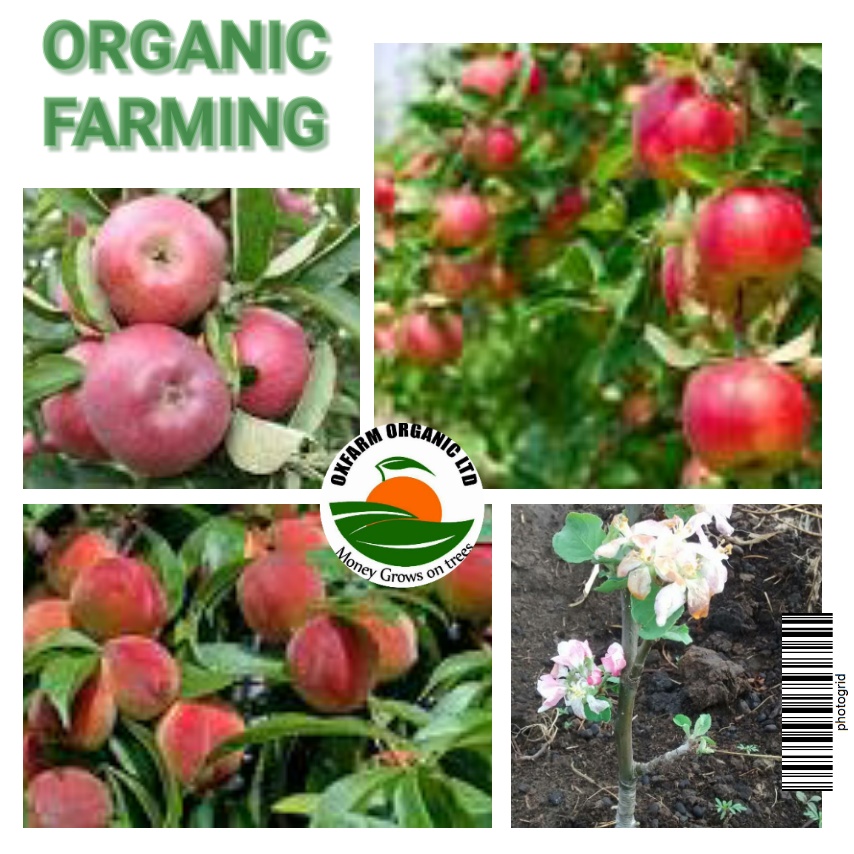
Organic Apple Farming: A Delicious and Sustainable Choice
Introduction:
In recent years, there has been a growing interest in organic farming methods due to their numerous health and environmental benefits. As consumers become more conscious of the food they consume, organic apple farming has gained popularity as a sustainable alternative to conventional practices. In this article, we will delve into the world of organic apple farming – exploring its principles, benefits, and how it differs from conventional methods.
What is Organic Farming?
Organic farming is an agricultural approach that emphasizes sustainability, biodiversity, and natural processes. It aims to cultivate crops without the use of synthetic chemicals such as pesticides or fertilizers derived from petroleum-based sources. Instead, organic farmers rely on ecological management techniques like crop rotation, composting, natural pest control measures, and beneficial insect habitats.
Principles of Organic Apple Farming:
1. Soil Health: Organic apple farmers prioritize building healthy soil through composting and cover cropping practices. Healthy soil teeming with microorganisms provides essential nutrients to plants naturally while promoting disease resistance.
2. Natural Pest Control: Rather than relying on chemical pesticides that harm beneficial insects along with pests, organic apple farmers employ integrated pest management (IPM) strategies. These include introducing predatory insects like ladybugs or using pheromone traps to disrupt mating patterns.
3. Biodiversity: Encouraging biodiversity supports ecosystem health by attracting pollinators and other wildlife that contribute to plant growth and overall farm balance.
4. Non-GMO Practices: Certified organic farms strictly prohibit genetically modified organisms (GMOs), ensuring that apples are free from any genetic modifications.
Benefits of Organic Apple Farming:
1. Improved Nutritional Value: Numerous studies have shown that organically grown fruits contain higher levels of certain vitamins, minerals, antioxidants when compared to conventionally grown counterparts.
2.Environmental Sustainability: By avoiding synthetic chemicals and embracing sustainable practices like water conservation and crop rotation, organic apple farmers reduce soil erosion and water pollution. Organic farming also promotes biodiversity and helps combat climate change by sequestering carbon in the soil.
3. Reduced Exposure to Harmful Chemicals: Choosing organic apples means reducing exposure to pesticide residues that may be present on conventionally grown produce. This is especially important for vulnerable populations such as children, pregnant women, and individuals with compromised immune systems.
4. Support for Local Communities: Organic apple farming often takes place on small-scale or family-owned farms, supporting local economies and fostering community connections.
Challenges Faced by Organic Apple Farmers:
While organic apple farming offers numerous benefits, it does come with its own set of challenges:
1. Higher Production Costs: Organic farmers face increased expenses due to the need for manual labor-intensive practices like weeding and pest control measures.
2. Lower Yields: In some cases, organic farms may experience lower yields compared to conventional ones due to the absence of synthetic fertilizers.
3. Pest Management: Managing pests without synthetic chemicals can be challenging for organic farmers, requiring careful planning and implementation of various IPM strategies.
Certification Standards:
To ensure transparency and consumer trust in organic products, third-party certification organizations enforce strict standards that must be met by organic apple growers. These standards vary across countries but generally encompass guidelines regarding prohibited substances (such as synthetic pesticides), land management practices, seed sourcing rules (non-GMO), record-keeping requirements, labeling regulations, and annual inspections.
Tips for Consumers:
If you’re interested in purchasing high-quality organic apples while supporting sustainable agriculture practices:
1. Look for certified labels: Seek out apples labeled “USDA Organic” or any other recognized certification logo specific to your region.
2.Support local farms: Visit farmers’ markets or join Community Supported Agriculture (CSA) programs where you can directly connect with local farmers who practice sustainable agriculture methods.
3.Get involved: Educate yourself about different varieties of organic apples and their flavor profiles. Engaging with farmers and asking questions about their practices can deepen your understanding of where your food comes from.
Conclusion:
Organic apple farming offers a sustainable alternative to conventional methods, promoting soil health, biodiversity, and reduced exposure to harmful chemicals. By choosing organic apples, consumers not only enjoy a variety of health benefits but also support local communities and contribute to environmental sustainability. So why not take a bite into the delicious world of organic apples while nourishing both your body and the planet?

Leave a Reply