Stress Reduction: A Comprehensive Guide to a Healthier, Happier Life
Introduction:
In today’s fast-paced world, stress has become an inevitable part of our lives. From work pressures and financial concerns to personal relationships and health issues, there are countless triggers that can contribute to elevated stress levels. Chronic stress not only affects our mental well-being but also takes a toll on our physical health. Therefore, it is crucial to find effective ways to manage and reduce stress in order to lead a healthier and happier life. In this comprehensive guide, we will explore various strategies for stress reduction that focus on healthy eating habits.
The Impact of Stress on Our Bodies:
Before diving into the techniques for managing stress, it is important to understand how chronic stress affects our bodies. When we experience stressful situations, whether real or perceived, the body releases cortisol – commonly known as the “stress hormone.” This hormonal response prepares us for fight-or-flight reactions by increasing heart rate, blood pressure, and glucose levels.
While short-term exposure to cortisol can be beneficial in certain situations, prolonged release of this hormone due to chronic stress can have serious consequences. It weakens the immune system, disrupts sleep patterns, impairs cognitive function, contributes to weight gain or loss (depending on individual responses), increases the risk of cardiovascular diseases like hypertension and heart attacks – just to name a few.
Now let’s delve into some effective strategies for reducing stress through healthy eating habits:
1. Eat a Balanced Diet:
Maintaining a balanced diet plays a crucial role in managing overall well-being including stress levels. A diet rich in fruits and vegetables provides essential vitamins and minerals that support brain health while boosting your mood naturally.
Include whole grains such as brown rice or quinoa as they help stabilize blood sugar levels throughout the day which aids in preventing energy crashes that often contribute to heightened anxiety or irritability.
2. Incorporate Mood-Boosting Foods:
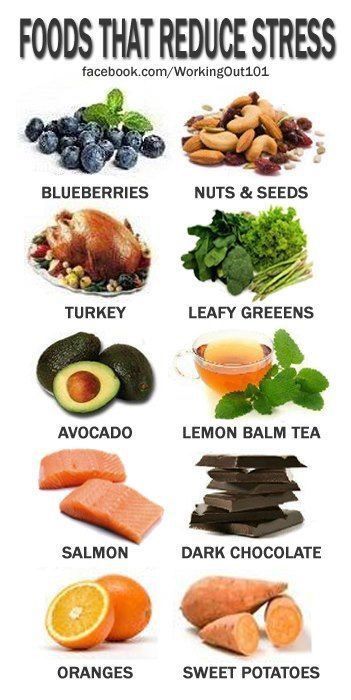
Certain foods have been proven to have mood-enhancing properties. Consider including the following in your diet:
a) Omega-3 Fatty Acids: Found in fatty fish like salmon, tuna, and sardines, as well as walnuts and flaxseed, omega-3 fatty acids are known for their ability to reduce inflammation and promote brain health.
b) Dark Chocolate: Who knew indulging in a small amount of dark chocolate could actually benefit your mood? Dark chocolate contains antioxidants that improve blood flow to the brain while stimulating the production of endorphins – natural mood lifters.
c) Probiotics: Research suggests that gut health plays a significant role in mental health. Incorporate probiotic-rich foods such as yogurt or fermented vegetables into your diet to support a healthy gut microbiome.
d) Green Tea: Sipping on green tea not only provides a dose of relaxation but also delivers an amino acid called L-theanine, which has been found to reduce stress levels and promote calmness.
3. Avoid Stimulants:
While it may be tempting to turn to caffeine or sugary snacks for an energy boost when feeling stressed, these can actually exacerbate anxiety symptoms. Caffeine is a stimulant that increases heart rate and can contribute to feelings of restlessness or irritability. Opt for herbal teas or decaf options instead.
4. Practice Mindful Eating:
Incorporating mindful eating practices can help alleviate stress by promoting self-awareness about our food choices and eating habits. When we eat mindfully, we fully engage our senses during meals – paying attention to flavors, textures, and how our bodies respond to different foods.
By slowing down and savoring each bite without distractions (such as TV or phones), we develop a healthier relationship with food and reduce stress-related emotional eating tendencies.
5. Stay Hydrated:
Dehydration can lead to fatigue, headaches, irritability – all factors that can increase stress levels. Keep a water bottle handy and aim to drink at least 8 cups (64 ounces) of water per day. Additionally, herbal teas or infused waters can provide hydration while offering additional health benefits.
6. Plan and Prep Meals:
One of the most effective ways to incorporate healthy eating habits into your lifestyle is through meal planning and preparation. By taking time each week to plan meals, create shopping lists, and prep ingredients in advance, you can reduce decision fatigue and ensure that nutritious options are readily available when stress strikes.
7. Practice Stress-Reducing Cooking Techniques:
Cooking itself can be a therapeutic activity that helps alleviate stress. Experiment with stress-reducing cooking techniques such as slow cooking or baking – activities that engage all your senses and promote relaxation.
Conclusion:
Incorporating healthy eating habits into your lifestyle is an essential component of managing and reducing stress effectively. A balanced diet rich in mood-boosting foods, along with mindful eating practices, will not only nourish your body but also support mental well-being.
Remember to prioritize self-care by avoiding stimulants like caffeine, staying hydrated, planning meals ahead of time for less decision-making stress, and practicing stress-reducing cooking techniques.
By implementing these strategies consistently over time, you’ll be better equipped to tackle stressful situations head-on while maintaining a healthier overall state of being – physically, mentally, and emotionally.

Leave a Reply