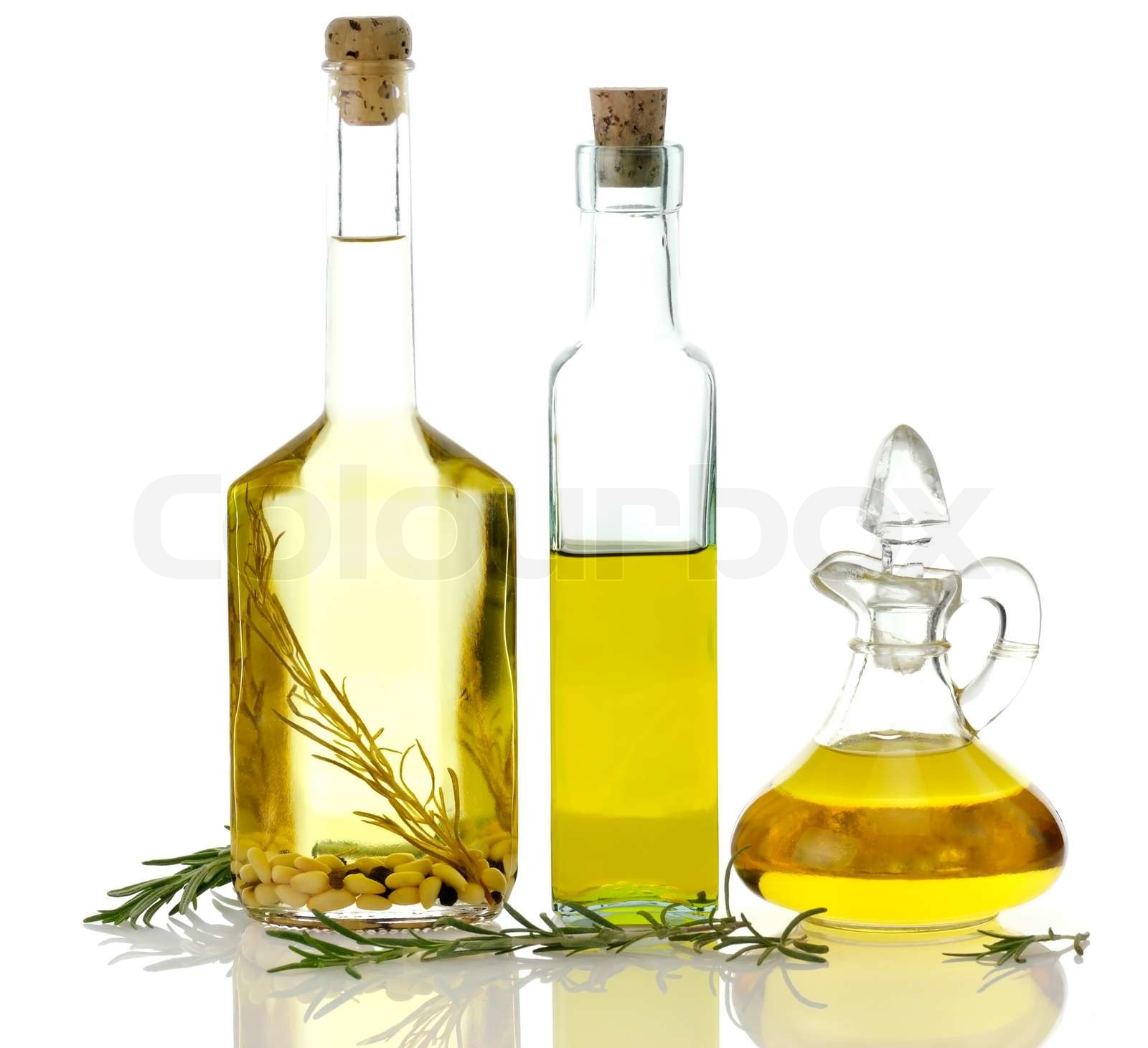
Avocado oil:
Avocado oil is a popular choice among health enthusiasts due to its numerous health benefits. It is rich in monounsaturated fats, which are known to promote heart health by reducing bad cholesterol levels and increasing good cholesterol levels. Additionally, avocado oil contains vitamin E, which is an antioxidant that helps protect the body from oxidative damage.
One of the unique properties of avocado oil is its high smoke point, making it suitable for both cooking and frying at higher temperatures without breaking down or losing its nutritional value. The smooth and creamy texture of avocado oil also makes it an excellent addition to salad dressings or as a topping for grilled vegetables.
Walnut oil:
Walnut oil has a distinct nutty flavor and is packed with omega-3 fatty acids, which are essential for brain function and heart health. Omega-3s are known to reduce inflammation in the body and may help lower the risk of chronic diseases such as heart disease and arthritis.
In addition to its omega-3 content, walnut oil also contains antioxidants like vitamin E and polyphenols that can help protect against oxidative stress. This flavorful oil can be used in salad dressings, drizzled over roasted vegetables, or even added to baked goods for a hint of nuttiness.
Sesame oil:
Sesame oil has been widely used in Asian cuisine for centuries due to its distinct flavor profile. It is rich in monounsaturated fats that can help lower bad cholesterol levels while promoting good cholesterol levels. Sesame oil also contains antioxidants such as sesamol and sesaminol, which have anti-inflammatory properties.
The strong aroma of sesame oil adds depth to stir-fries, marinades, and sauces. However, it’s important to note that sesame oil has a low smoke point so it should be used at lower heat settings or added after cooking.
Flaxseed Oil:
Flaxseed oil is derived from flaxseeds – tiny brown seeds that are packed with nutrients. It is a rich source of alpha-linolenic acid (ALA), which is an essential omega-3 fatty acid. ALA has been shown to have anti-inflammatory effects and may help reduce the risk of heart disease, stroke, and certain types of cancer.
Flaxseed oil should be stored in the refrigerator to prevent oxidation as it can easily go rancid. It is best used in salad dressings or added to smoothies for a boost of omega-3s.
Pumpkin Seed Oil:
Pumpkin seed oil is known for its deep green color and nutty flavor. It is a good source of antioxidants, including vitamin E and carotenoids, which can help protect against free radical damage.
This oil also contains phytosterols, which are plant compounds that have been shown to lower cholesterol levels. Pumpkin seed oil can be drizzled over salads, soups, or pasta dishes for added flavor and nutritional benefits.
Hemp Seed Oil:
Hemp seed oil is derived from the seeds of the hemp plant and has gained popularity in recent years due to its potential health benefits. It contains a perfect balance of omega-6 and omega-3 fatty acids, making it an excellent choice for maintaining heart health.
Hemp seed oil also provides gamma-linolenic acid (GLA), which has anti-inflammatory properties and may help alleviate symptoms associated with conditions like eczema or arthritis. Its mild flavor makes it suitable for use in salad dressings or as a finishing oil on dishes like roasted vegetables or grilled fish.
Macadamia Nut Oil:
Macadamia nut oil has a rich buttery flavor that adds depth to dishes without overpowering other ingredients. It is primarily composed of monounsaturated fats that can help improve heart health by reducing bad cholesterol levels.
This oil also contains palmitoleic acid, which has been found to have anti-inflammatory properties and may help protect against certain chronic diseases. Macadamia nut oil is commonly used in baking, cooking, or as a finishing oil for roasted vegetables.
Pistachio Oil:
Pistachio oil is derived from the nuts of the pistachio tree and has a delicate flavor profile. It contains monounsaturated fats that can help lower bad cholesterol levels while promoting good cholesterol levels.
This oil is also a good source of vitamin E, an antioxidant that helps protect cells from oxidative damage. Pistachio oil can be used in salad dressings, marinades, or even drizzled over ice cream for a unique twist.
Hazelnut Oil:
Hazelnut oil is known for its rich and slightly sweet flavor. It is packed with monounsaturated fats that promote heart health by reducing bad cholesterol levels.
It also contains vitamin E and antioxidants like flavonoids, which have been shown to have anti-inflammatory effects. Hazelnut oil adds depth to dishes such as salads, pastas, or baked goods.
Grape Seed Oil:
Grape seed oil is extracted from the seeds of grapes and has a light flavor that doesn’t overpower other ingredients. It contains high levels of polyunsaturated fats including omega-6 fatty acids.
Additionally, grape seed oil contains antioxidants like proanthocyanidins that have been associated with various health benefits such as improved heart health and reduced inflammation. This versatile oil can be used for sautéing vegetables or in salad dressings.
Safflower Oil:
Safflower oil is derived from the seeds of the safflower plant and has a neutral taste profile making it suitable for various cooking methods. It consists mainly of monounsaturated fats which are considered heart-healthy when consumed in moderation.
The high smoke point of safflower oil makes it ideal for frying or high-heat cooking methods without breaking down its nutritional value. Safflower oil can be used as a substitute for other cooking oils in recipes.
Sunflower Oil:
Sunflower oil is extracted from sunflower seeds and has a mild flavor that allows other ingredients to shine. It is rich in vitamin E, an antioxidant that helps protect the body against oxidative damage.
This oil also contains linoleic acid, an essential fatty acid that the body needs but cannot produce on its own. Sunflower oil is commonly used in baking, frying, or as a base for salad dressings.
Rice Bran Oil:
Rice bran oil is extracted from the outer layer of rice grains and has gained popularity due to its high smoke point and neutral taste profile. It contains monounsaturated fats that are beneficial for heart health.
Additionally, rice bran oil contains tocotrienols – antioxidants that have been shown to have potential anti-inflammatory effects. This versatile cooking oil can be used for stir-frying, sautéing or even deep frying without compromising its nutritional value.
Camelina Oil:
Camelina oil is derived from the seeds of the camelina plant and has a nutty flavor similar to flaxseed oil. It is rich in omega-3 fatty acids which are known for their heart-healthy benefits.
This oil also contains antioxidants like vitamin E which help protect cells from oxidative stress. Camelina oil can be used as a finishing drizzle on salads or roasted vegetables or even added to smoothies for an extra boost of omega-3s.
Mustard Seed Oil:
Mustard seed oil is made by pressing mustard seeds and has a pungent flavor with spicy undertones. It contains monounsaturated fats and polyunsaturated fats including omega-3 fatty acids which are good for heart health.
Mustard seed oil also possesses antimicrobial properties due to compounds like allyl isothiocyanate present in it. This unique flavored oil can be used in marinades, dressings, or even for pickling vegetables.
Black Cumin Seed Oil:
Black cumin seed oil, also known as Nigella sativa oil, has been used in traditional medicine for centuries due to its potential health benefits. It contains thymoquinone – a potent antioxidant and anti-inflammatory compound.
Research suggests that black cumin seed oil may have immune-boosting properties and could help reduce symptoms of asthma or allergies. This oil can be drizzled over salads, added to smoothies or used in cooking various dishes.
Pomegranate Seed Oil:
Pomegranate seed oil is extracted from the seeds of the pomegranate fruit and has a fruity flavor profile with hints of tartness. It is rich in antioxidants including punicic acid which has been shown to have anti-inflammatory effects.
Additionally, pomegranate seed oil may help promote collagen production and improve skin health when applied topically. This flavorful oil can be used in salad dressings, marinades or even drizzled over desserts for an extra burst of flavor.
Chia Seed Oil:
Chia seed oil is derived from chia seeds – tiny black seeds that are packed with nutrients. It is high in omega-3 fatty acids which are important for heart health and brain function.
This oil also contains antioxidants like vitamin E that help protect against oxidative damage. Chia seed oil can be added to smoothies, yogurt or used as a finishing touch on dishes like roasted vegetables or grilled fish.
Evening Primrose Oil:
Evening primrose oil comes from the evening primrose plant and has gained popularity due to its gamma-linolenic acid (GLA) content. GLA is an omega-6 fatty acid that supports hormone balance and may help alleviate symptoms associated with PMS or menopause.
This oil is commonly taken as a supplement but can also be used topically to soothe dry skin conditions. It’s important to consult with a healthcare professional before using evening primrose oil as a supplement.
Sea Buckthorn Berry Oil:
Sea buckthorn berry oil is derived from the berries of the sea buckthorn plant and is known for its vibrant orange color. It is rich in antioxidants including vitamins C and E, which can help protect against oxidative stress.
This oil also contains omega-7 fatty acids that may support skin health and promote healing. Sea buckthorn berry oil can be used topically as a facial oil or taken as a supplement for its potential health benefits.
In conclusion, there are numerous types of oils available on the market, each with their own unique flavors and nutritional profiles. Incorporating a variety of these oils into your cooking can not only add depth to your dishes but also provide an array of health benefits. From heart-healthy avocado oil to antioxidant-rich pomegranate seed oil, these oils offer something for everyone’s taste preferences and dietary needs. Remember to use them in moderation and consult with a healthcare professional if you have any specific concerns or questions about incorporating them into your diet.

Leave a Reply