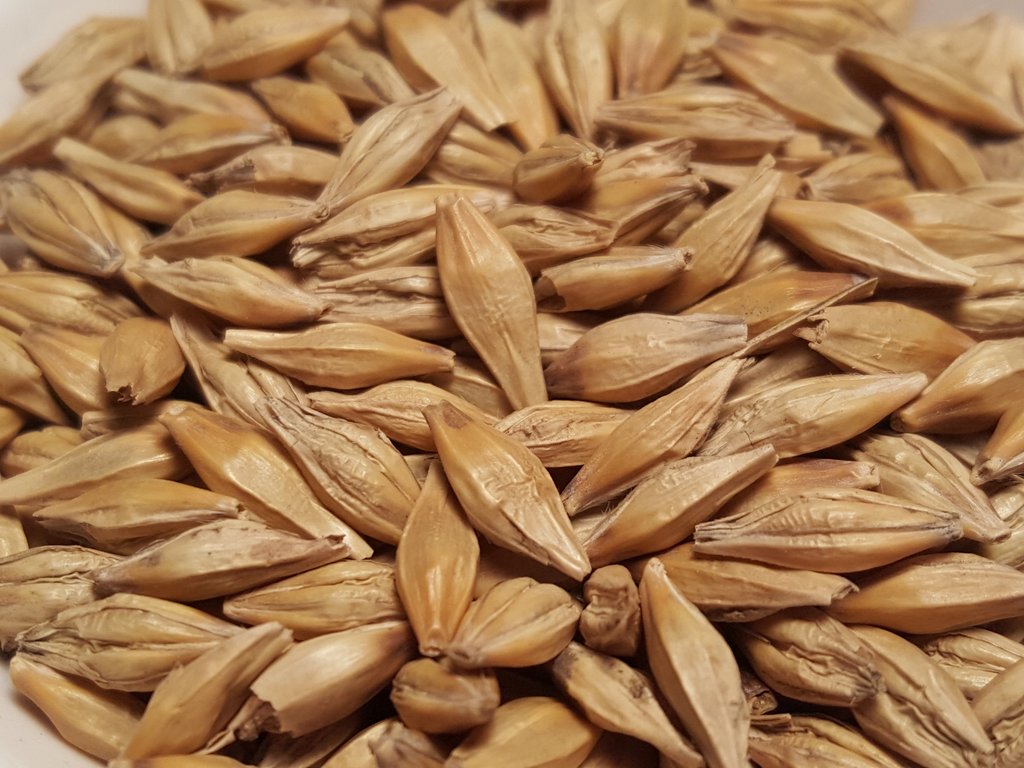
Barley: A Nutritious and Versatile Grain for a Healthy Diet
Introduction:
When it comes to healthy eating, we often focus on fruits, vegetables, and lean proteins. However, grains also play a crucial role in providing essential nutrients and energy for our bodies. Barley is one such grain that has gained popularity in recent years due to its numerous health benefits and versatility in various recipes.
Originating from the grass family Poaceae, barley has been cultivated for thousands of years and is consumed worldwide. It was one of the first domesticated grains in history and remains an important staple food today. In this article, we will explore the nutritional value of barley, its health benefits, different types available, as well as some delicious ways to incorporate it into your diet.
Nutritional Value:
Barley is packed with essential nutrients that contribute to overall health and well-being. This whole grain is an excellent source of dietary fiber (both soluble and insoluble), vitamins (such as vitamin B1 or thiamine) minerals (including manganese, selenium, phosphorus), antioxidants (like lignans), plant compounds (phytochemicals), protein, and complex carbohydrates.
Let’s take a closer look at some of these nutrients:
1. Fiber: Barley contains both soluble and insoluble fiber. Soluble fiber helps lower cholesterol levels by reducing the amount of LDL (“bad”) cholesterol absorbed into the bloodstream while increasing HDL (“good”) cholesterol levels. Insoluble fiber aids digestion by promoting regular bowel movements.
2. Vitamins: Barley provides various B vitamins such as thiamine (vitamin B1) which plays a crucial role in converting food into energy; niacin (vitamin B3) important for brain function; pyridoxine (vitamin B6) involved in amino acid metabolism; folate (vitamin B9) necessary for cell growth; riboflavin (vitamin B2) involved in energy production; and pantothenic acid (vitamin B5) essential for hormone synthesis.
3. Minerals: Barley is an excellent source of manganese, selenium, and phosphorus. Manganese is important for bone health, metabolism, and antioxidant defense. Selenium acts as an antioxidant and supports thyroid function. Phosphorus plays a crucial role in the formation and maintenance of healthy bones and teeth.
4. Antioxidants: Barley contains various antioxidants like lignans that have been linked to a reduced risk of chronic diseases such as heart disease, certain cancers, diabetes, and obesity.
Health Benefits:
Including barley in your diet can offer several health benefits:
1. Heart Health: The soluble fiber beta-glucan found in barley has been shown to help reduce cholesterol levels by binding with bile acids containing cholesterol within the digestive system. This aids in their elimination from the body before they can be reabsorbed into the bloodstream.
2. Blood Sugar Control: The insoluble fiber present in barley helps regulate blood sugar levels by slowing down digestion and absorption of carbohydrates, preventing spikes in blood glucose levels after meals.
3. Weight Management: With its high fiber content, consuming barley can promote feelings of fullness or satiety which may aid weight management efforts by reducing overall calorie intake.
4. Digestive Health: Barley’s insoluble fiber adds bulk to stools, promoting regular bowel movements thereby preventing constipation while maintaining a healthy gut microbiome.
5. Bone Health: The minerals phosphorus and manganese found in barley are essential for maintaining strong bones and teeth.
Types of Barley:
There are different types of barley available on the market today; each offers unique textures suitable for various recipes:
1. Hulled Barley (Whole Grain): This type has only had its indigestible outermost hull removed while retaining all other layers intact—the most nutritious option but requires longer cooking time.
2. Pearl Barley: This variety has been polished to remove the bran layer, making it less nutritious than hulled barley but cooks more quickly.
3. Barley Flakes: These are flattened kernels that cook faster and can be used in recipes like oatmeal or as a topping for yogurt and smoothies.
4. Barley Flour: Ground from pearl barley, this flour is gluten-free (when labeled as such) and can be used as an alternative to wheat flour in baking.
Incorporating Barley into Your Diet:
Now that we know about the nutritional value and health benefits of barley let’s explore some creative ways to incorporate it into your diet:
1. Soups: Add cooked barley to hearty vegetable soups or stews for added texture, flavor, and nutrition.
2. Salads: Use cooked chilled barley as a base for salads, combined with fresh vegetables, herbs, nuts/seeds, and a vinaigrette dressing.
3. Risotto Alternative: Substitute traditional risotto rice with pearl barley for a healthier twist on this classic dish packed with fiber and nutrients.
4. Side Dish/Dressing Base: Cooked barley makes an excellent side dish when flavored with herbs or spices; alternatively, use it as a base for grain-based salads or mixed with roasted vegetables.
5. Breakfast Cereal: Cooked barley flakes can be enjoyed similarly to oatmeal by adding milk/dairy-free alternatives along with fruits/nuts/honey/maple syrup for added sweetness.
Conclusion:
Barley is not only versatile but also highly nutritious grain that offers numerous health benefits when incorporated into our diets regularly. Its high fiber content aids digestion, helps control cholesterol levels while promoting heart health and blood sugar control—a win-win situation!
With various types available such as hulled barley, pearl barley, flakes, and flour—barley can be adapted into several recipes ranging from soups/stews to salads, risotto alternatives, side dishes, and breakfast cereals. So why not explore the wonderful world of barley today and reap its nutritional benefits while enjoying flavorful meals?

Leave a Reply