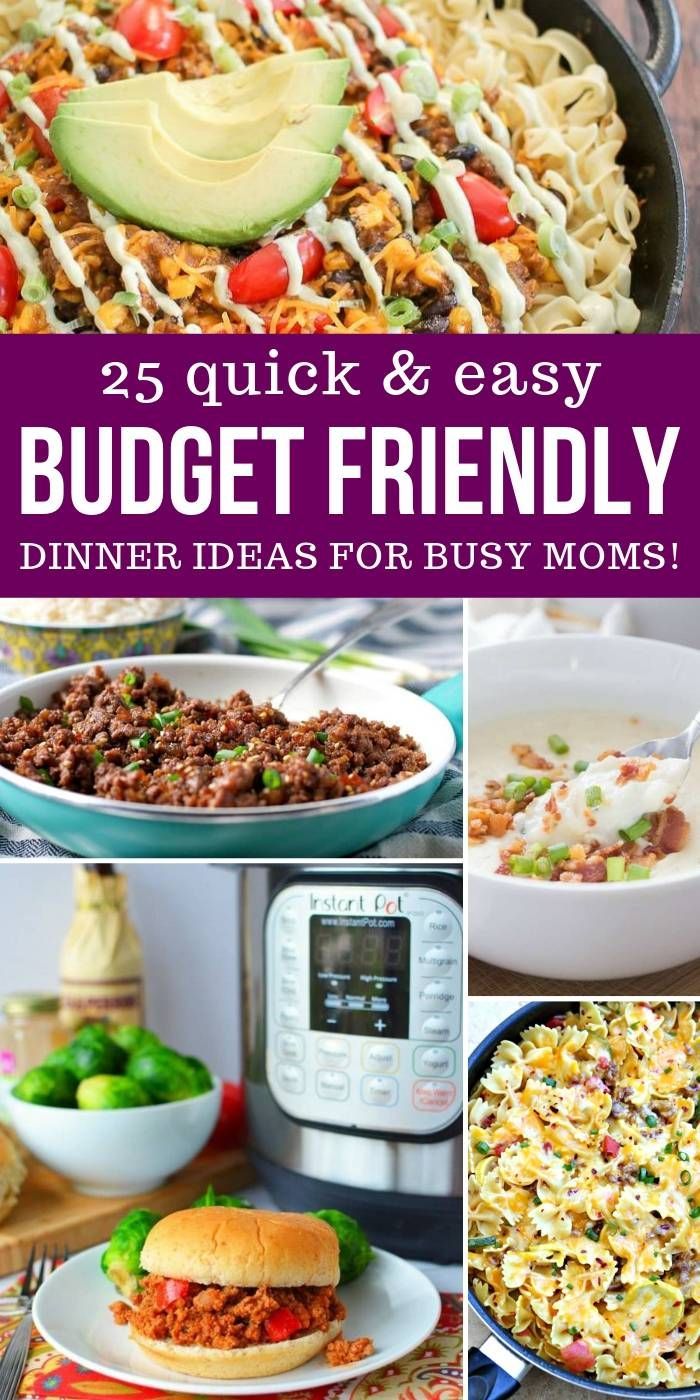
Budget-Friendly Meals: Eating Healthy on a Shoestring
Welcome to our panel discussion on budget-friendly meals! Today, we have gathered a group of experts who will share their tips and recipes for eating healthy without breaking the bank. Let’s dive right in!
1. Plan ahead:
Our first expert, Sarah, suggests planning your meals for the week in advance. This way, you can create a shopping list based on what you already have at home and what ingredients are on sale. Planning also helps minimize food waste.
2. Embrace plant-based proteins:
Plant-based proteins like beans, lentils, and tofu are not only affordable but also packed with nutrients. Our second expert, Mark, recommends incorporating them into your meals as they offer ample protein while being gentle on your budget.
3. Buy in bulk:
Buying pantry staples such as rice, pasta, oats, and spices in bulk can save you money in the long run. Plus, these items have a long shelf life and can be used to create various dishes.
4. Get creative with leftovers:
Don’t let leftovers go to waste! Rachel suggests repurposing them into new meals or using them as ingredients for soups or stews. For example, leftover roasted veggies can be transformed into a flavorful frittata or added to a hearty vegetable soup.
5. Cook from scratch:
Processed foods often come with a hefty price tag compared to cooking from scratch using whole ingredients. Emma recommends making your own sauces like tomato sauce or salad dressings instead of buying pre-packaged ones.
6. Frozen fruits and vegetables are your friends:
Frozen fruits and vegetables are convenient options that retain most of their nutritional value while being more affordable than fresh produce out of season. They work great in smoothies or stir-fries.
7. Shop local farmers markets:
Supporting local farmers not only benefits the community but is often cheaper than buying from supermarkets too! Catherine advises checking out your nearest farmers market for fresh, seasonal produce at reasonable prices.
8. Meal prep in batches:
Meal prepping can save you time and money throughout the week. Prepare large portions of dishes like chili, curry, or casseroles that you can portion out and freeze for easy meals later on.
9. DIY snacks:
Instead of splurging on expensive packaged snacks, make your own! Lara suggests making energy balls with dates, nuts, and oats or air-popping popcorn for a healthy yet budget-friendly snack option.
10. Don’t forget about eggs:
Eggs are versatile, protein-packed, and won’t break the bank. You can include them in breakfast scrambles or use them as a binder in veggie burgers or meatballs.
In conclusion, eating healthy doesn’t have to be expensive. By planning ahead, embracing plant-based proteins, buying in bulk, being creative with leftovers, cooking from scratch using whole ingredients, utilizing frozen fruits and vegetables wisely while shopping local farmers markets when possible will help you stick to your budget without compromising nutrition. So go ahead and get started on creating delicious and affordable meals today!
Note: Please consult a healthcare professional before making any dietary changes.

Leave a Reply