Panel Discussion: Exploring the Benefits and Potential of Aquaponics Systems
Moderator:
Welcome, everyone, to this panel discussion on aquaponics systems. Today, we have gathered experts in the field who will shed light on the benefits and potential of this innovative method of food production. Let’s dive right into our discussion.
Panelist 1: Dr. Sarah Thompson – Aquaponics Researcher
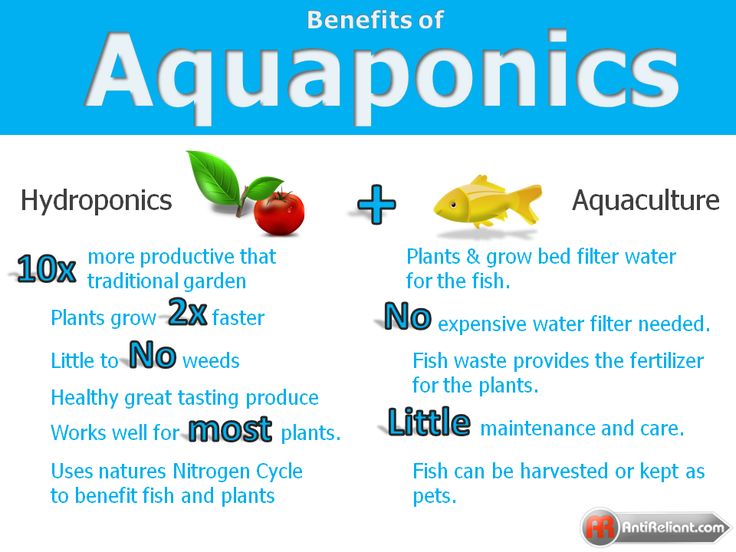
Aquaponics is a sustainable farming technique that combines aquaculture (fish farming) with hydroponics (growing plants in water). The fish waste provides nutrients for the plants, while the plants filter the water for the fish. This symbiotic relationship creates a closed-loop system where both elements thrive.
One significant advantage of aquaponics is its ability to maximize limited resources. Unlike traditional agriculture, which requires large amounts of land and water, aquaponics uses up to 90% less water due to recirculation. Additionally, by eliminating soil as a growth medium and using vertical space efficiently, it reduces land requirements by up to 80%.
Panelist 2: John Mills – Commercial Aquaponic Farmer
As a commercial aquaponic farmer myself, I can attest to its many benefits beyond sustainability. Firstly, aquaponics allows year-round cultivation without relying on weather conditions or seasonal changes since it occurs indoors under controlled environments.
Moreover, this method enables farmers to grow various crops simultaneously in one system regardless of their native climate or region—an excellent solution for areas with limited agricultural capabilities or harsh climates. With careful planning and selection of appropriate fish species and plant varieties, farmers can create diverse ecosystems within their systems that yield high-quality produce.
Panelist 3: Chef Emily Rodriguez – Farm-to-Table Advocate
From a culinary perspective, one cannot overlook the exceptional taste and quality offered by produce grown through aquaponic systems. The controlled environment allows for optimal nutrient uptake by plants leading to faster growth and improved flavor profiles. The absence of pesticides and herbicides further enhances the taste, making it a top choice for farm-to-table restaurants.
Panelist 4: Dr. Michael Johnson – Environmental Scientist
Aquaponics also has numerous environmental benefits. By reducing reliance on synthetic fertilizers and pesticides, it helps mitigate water pollution and soil degradation caused by conventional farming practices. Furthermore, since aquaponics typically occurs in controlled environments, there is no need for excessive pesticide use to combat pests and diseases.
The closed-loop system also prevents nutrient runoff into natural water bodies, which can lead to harmful algal blooms and ecosystem disruptions. Overall, aquaponics offers a more environmentally friendly alternative that minimizes negative impacts on surrounding ecosystems.
Panelist 5: Jane Simmons – Home Aquaponic Enthusiast
One of the most exciting aspects of aquaponics is its adaptability to smaller-scale setups at home or in urban areas. With compact systems designed for balconies or indoor spaces, individuals can grow their own fresh produce regardless of limited space constraints.
Home-based aquaponics not only provides access to nutritious food but also serves as an educational tool for children and adults alike. It allows us to reconnect with our food sources while teaching valuable lessons about sustainability, biology, and self-sufficiency.
Moderator:
Thank you all for sharing your insights on the benefits of aquaponics systems! Before we conclude this discussion, let’s briefly touch upon potential challenges associated with implementing this method.
Panelist 1: Dr. Sarah Thompson – Aquaponics Researcher
While aquaponic systems offer many advantages, they do require initial investment in infrastructure such as tanks, pumps, filters, and lighting equipment. Additionally, maintaining proper water quality parameters requires consistent monitoring and adjustment—this may pose a learning curve for beginners.
Panelist 2: John Mills – Commercial Aquaponic Farmer
Scaling up from small-scale systems to commercial operations can be challenging. It requires a solid understanding of the market, crop selection, and efficient management practices. However, with proper planning and guidance from experienced professionals, these hurdles can be overcome.
Moderator:
Thank you all for your valuable contributions to this panel discussion on aquaponics systems. We have gained insight into the numerous benefits and potential challenges associated with this sustainable farming technique. As we strive for healthier eating options and more sustainable food production methods, aquaponics presents an exciting avenue worth exploring further.

Leave a Reply