Apples and Cancer Prevention: The Perfect Pairing
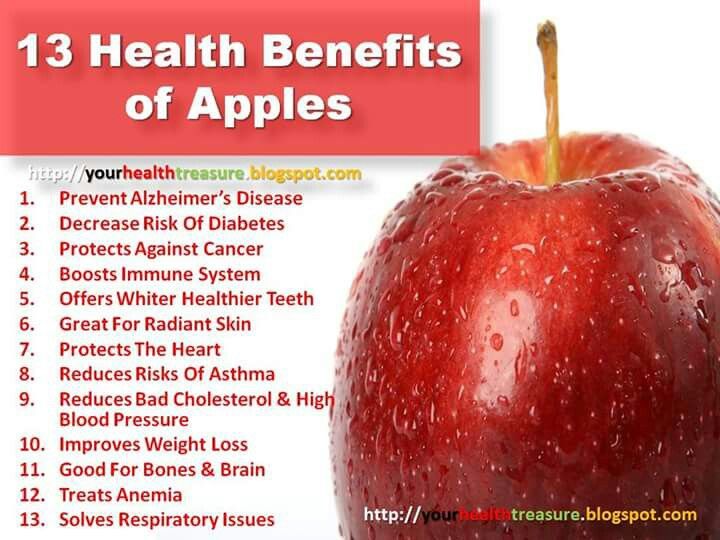
In our quest for a healthy lifestyle, we often come across numerous studies claiming that certain foods have the ability to prevent cancer. While it’s true that no single food can guarantee protection against this devastating disease, apples have been gaining attention in the scientific community for their potential cancer-fighting properties. Packed with essential nutrients and powerful antioxidants, these juicy fruits might just be the perfect addition to your anti-cancer diet.
One of the key components found in apples is dietary fiber. A medium-sized apple contains about four grams of fiber, which not only aids digestion but also plays a crucial role in reducing the risk of various cancers. Studies indicate that high intake of dietary fiber is associated with a lower risk of colorectal cancer, one of the most common types of cancer worldwide. Fiber helps maintain bowel regularity and reduces exposure to harmful substances present in our digestive system.
Apart from fiber, apples are rich in flavonoids, particularly quercetin. Quercetin acts as an antioxidant and has been shown to possess anti-inflammatory properties while inhibiting tumor growth. Experimental studies suggest that quercetin may help prevent lung, breast, colon, prostate, and ovarian cancers by interfering with cancer cell proliferation and inducing apoptosis (cell death). However, further research is required to establish its precise mechanisms of action.
In addition to quercetin, apples contain other potent antioxidants like vitamin C and polyphenols. Vitamin C is known for its ability to neutralize free radicals – unstable molecules that can damage DNA and promote carcinogenesis (the formation of cancer cells). Polyphenols are plant compounds that exhibit strong antioxidant properties as well as anti-inflammatory effects. These compounds have been linked to reduced risk of developing certain types of cancers such as breast cancer.
Moreover, some evidence suggests that consuming whole apples rather than isolated nutrients provides greater health benefits due to their synergistic effect. Apples contain a wide range of bioactive compounds that work together, enhancing each other’s potential anti-cancer properties. This reinforces the importance of consuming whole foods rather than relying solely on supplements or isolated nutrients.
While apples offer an array of cancer-fighting benefits, it is crucial to remember that they should be part of a well-balanced diet and healthy lifestyle. Regular physical activity, maintaining a healthy weight, minimizing processed food consumption, and avoiding tobacco and excessive alcohol intake are equally important for reducing cancer risk.
However, it’s worth mentioning that not all apples are created equal. When possible, opt for organic apples to avoid exposure to pesticides commonly used in conventional farming practices. Also, don’t forget to wash them thoroughly before consumption to remove any surface residues.
In conclusion, while no single food can guarantee protection against cancer, incorporating apples into your diet may contribute positively towards reducing the risk of certain types of cancers. Packed with fiber and powerful antioxidants like quercetin and polyphenols, these crunchy fruits have shown promising results in various studies. So why not make them a regular part of your life? Enjoying an apple a day might just keep cancer at bay!

Leave a Reply