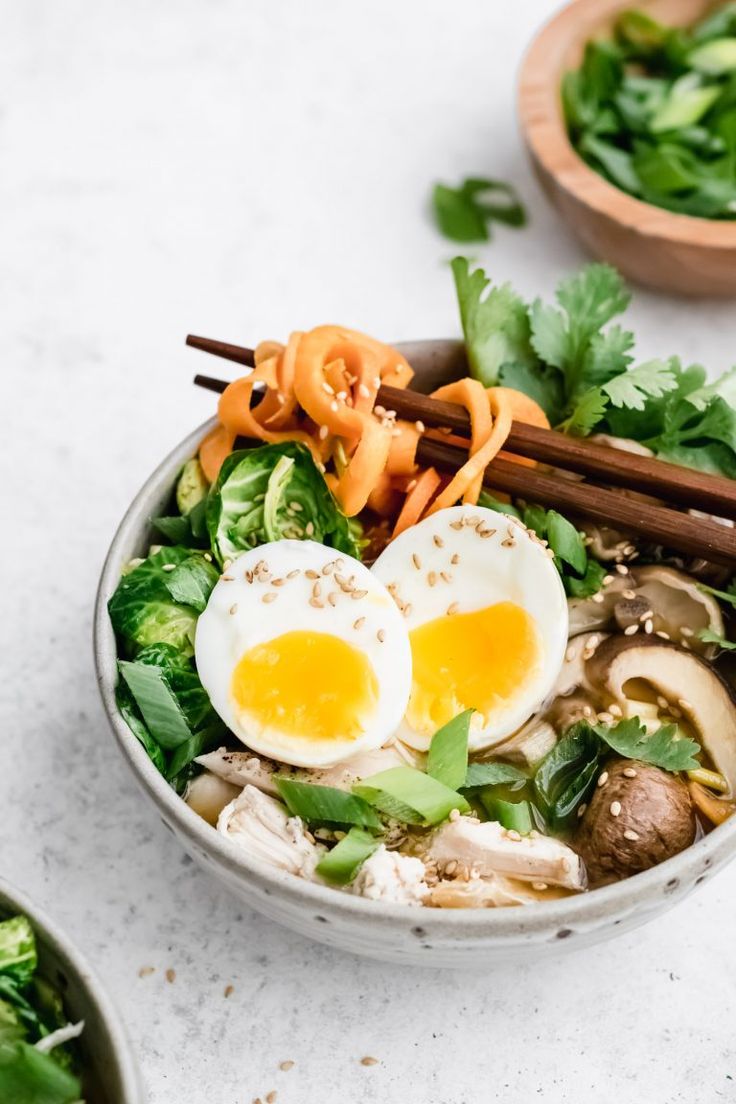
Miso Ramen Bowls: A Delicious and Nutritious DIY Meal
Ramen has become a beloved dish all around the world. Originating from Japan, this flavorful noodle soup has captured the hearts and taste buds of many. While traditional ramen recipes can be heavy on sodium and unhealthy additives, there are ways to make a healthier version at home. In this post, we will guide you through crafting your very own miso ramen bowl that is both delicious and nutritious.
The Base: Miso Broth
At the heart of every great miso ramen bowl lies a rich and flavorful broth. Traditional Japanese miso soup is made by fermenting soybeans with salt, creating a paste known as miso. To make our miso broth base for the ramen, you will need:
– 4 cups vegetable or chicken broth
– 3 tablespoons white or red miso paste
– 2 cloves garlic, minced
– 1 tablespoon fresh ginger, grated
– 1 tablespoon low-sodium soy sauce
Start by heating the vegetable or chicken broth in a pot over medium heat until it begins to simmer. In a small bowl, whisk together the miso paste with some of the hot broth until smooth. This step helps prevent clumps of miso from forming in your finished broth.
Next, add the minced garlic and grated ginger to the pot with the simmering broth. Allow them to infuse their flavors into the liquid for about five minutes before adding in the diluted miso paste mixture.
Stir well to combine everything evenly before bringing it back up to a gentle simmer for another five minutes. Be careful not to let it boil vigorously as high heat can destroy some of those delicate flavors.
Lastly, add in low-sodium soy sauce for an extra umami kick. Taste test your creation and adjust any seasonings according to your preference.
The Noodles: Choosing Your Base
Ramen noodles are a crucial component of any ramen bowl. While you can find pre-packaged ramen noodles in most grocery stores, they are often deep-fried and loaded with preservatives. Opting for healthier alternatives is the way to go.
One option is to use whole wheat or brown rice noodles that offer more fiber and nutrients compared to their refined counterparts. These noodles have a slightly different texture but still work well in miso ramen bowls.
Another popular choice is using zucchini noodles, also known as “zoodles.” Spiralize fresh zucchini into noodle-like strands and lightly sauté them before adding them to your miso broth. Zoodles provide a lighter alternative while boosting your vegetable intake.
If you’re feeling adventurous, you could even make your own ramen noodles from scratch using whole wheat flour or other healthy grains. Homemade noodles allow full control over the ingredients, making it easier to avoid unnecessary additives.
The Protein: Adding Substance
To make your miso ramen bowl more filling and nutritious, protein-rich toppings are essential. Here are some options:
1. Tofu: Firm tofu works best for miso ramen bowls as it holds its shape during cooking. Cut the tofu into cubes and pan-fry until golden brown before adding it on top of the assembled bowl.
2. Chicken: Grilled or poached chicken breast brings a lean source of protein to the table. Season it with some salt, pepper, and garlic powder for added flavor before slicing it into thin strips for topping.
3. Shrimp: For seafood lovers, shrimp is an excellent addition to miso ramen bowls due to its delicate taste and high protein content. Sauté peeled shrimp in olive oil until pink and cooked through before placing them atop your creation.
4. Edamame: These young soybeans pack a punch when it comes to plant-based protein sources while offering a satisfying texture. Boil or steam them until tender, then sprinkle a handful of edamame over your ramen bowl.
Feel free to mix and match proteins based on your dietary preferences or experiment with other options such as thinly sliced beef, tempeh, or even crispy roasted chickpeas for a vegetarian twist.
The Veggies: Adding Color and Nutrition
To make your miso ramen bowl a complete meal, don’t forget to load it up with colorful vegetables. Here are some suggestions:
1. Bok Choy: This leafy green vegetable adds a mild bitterness that complements the rich flavors of miso broth well. Blanch bok choy in boiling water for a minute before adding it to your assembled bowl.
2. Mushrooms: Shiitake mushrooms are commonly used in Japanese cuisine and provide an earthy taste that pairs beautifully with miso broth. Sauté sliced shiitake mushrooms in sesame oil until lightly browned before placing them on top of your ramen.
3. Carrots: Julienne carrots into thin strips and sauté them briefly for added texture and color contrast. They also add natural sweetness to balance out the savory elements in your dish.
4. Corn: Sweet corn kernels bring bursts of flavor and vibrant yellow hues to miso ramen bowls. You can use fresh corn off the cob if available or opt for frozen corn kernels when fresh isn’t accessible.
Remember that these veggie suggestions are just starting points – feel free to get creative by incorporating other vegetables like bell peppers, bean sprouts, spinach, or even kimchi for added spice!
Additional Toppings: The Finishing Touches
Now that you have built the foundation of your miso ramen bowl let’s explore some additional toppings that will take it to the next level:
1. Soft-Boiled Eggs: A perfectly cooked soft-boiled egg provides richness when its yolk blends with the broth. Gently place eggs in boiling water for about six minutes, then transfer them to an ice bath before peeling and halving them.
2. Nori Sheets: These thin, dried seaweed sheets add a unique flavor and texture to ramen bowls. Cut nori into thin strips or squares using kitchen scissors before sprinkling them over your bowl.
3. Green Onions: Slice green onions diagonally and sprinkle them on top for a fresh taste and vibrant color contrast.
4. Sesame Seeds: Toasted sesame seeds offer nutty flavors that complement miso ramen bowls perfectly. Sprinkle some on your creation just before serving.
Putting It All Together
Now that you have prepared all the components of your miso ramen bowl, it’s time to assemble!
Start by cooking the noodles according to package instructions if you opted for store-bought options or sautéing zucchini noodles briefly until tender-crisp.
In individual bowls, ladle a generous amount of miso broth as the base. Arrange the cooked noodles on one side of the bowl and carefully position your protein choices alongside them.
Next, artfully arrange various vegetables around the bowl while keeping in mind both aesthetics and flavors. Place any additional toppings such as soft-boiled eggs, nori sheets, green onions, and sesame seeds strategically to create an enticing presentation.
Finally, serve your homemade miso ramen bowls immediately while they are still hot! Encourage everyone at the table to mix everything together well before digging in – this ensures each bite has a balanced combination of flavors from all ingredients used.
Enjoy Your Homemade Miso Ramen Bowls!
Creating flavorful and nutritious miso ramen bowls at home is easier than you might think. By using wholesome ingredients like whole wheat or zucchini noodles, lean proteins like tofu or chicken breast, colorful veggies, and tasty toppings – you can enjoy this beloved Japanese dish guilt-free.
Experiment with different combinations and flavors to find your favorite version. Whether you’re a ramen enthusiast or simply looking for a healthy and satisfying meal, these DIY miso ramen bowls are sure to please both your taste buds and your body.

Leave a Reply