Vegan Meal Planning: A Comprehensive Guide to Healthy and Delicious Eating
Introduction:
Switching to a vegan lifestyle can be an exciting and healthy choice. However, it’s important to plan your meals properly to ensure you’re getting all the necessary nutrients. In this guide, we’ll walk you through the process of vegan meal planning step-by-step, from understanding your nutritional needs to creating a weekly meal plan that suits your taste preferences.
Understanding Your Nutritional Needs:
Before diving into vegan meal planning, it’s crucial to understand the key nutrients you need to include in your diet. As a vegan, you will primarily rely on plant-based sources for essential vitamins and minerals like protein, iron, calcium, omega-3 fatty acids, and vitamin B12.
Protein: Include legumes (such as lentils, chickpeas), tofu, tempeh, seitan, quinoa or other whole grains in your meals.
Iron: Incorporate iron-rich foods such as leafy greens (spinach or kale), beans (black beans or kidney beans), nuts/seeds (pumpkin seeds or cashews) into your meals.
Calcium: Fortified plant-based milk alternatives (soy milk or almond milk), tofu made with calcium sulfate, sesame seeds/tahini are excellent sources of calcium.
Omega-3 Fatty Acids: Flaxseeds/chia seeds/walnuts provide a good dose of omega-3s in a vegan diet. Alternatively consider taking an algae-based omega-3 supplement.
Vitamin B12: Since B12 is only found naturally in animal products but is essential for vegans too; include fortified foods like cereals/soymilk or consider taking supplements.
Planning Your Meals:
Now that we have covered the basics of vegan nutrition let’s move on to planning your meals effectively.
1. Start by creating a list of Vegan Staples:
Compile a list of staple ingredients that you enjoy and that are versatile enough to be used in multiple dishes. This can include whole grains (rice, quinoa), legumes (lentils, chickpeas), vegetables (broccoli, bell peppers), fruits, nuts/seeds, herbs/spices, and plant-based milk alternatives.
2. Think about Breakfast:
Consider vegan options like overnight oats topped with berries and nuts or avocado toast on whole-grain bread. You could also prepare a batch of muffins or smoothie packs for grab-and-go mornings.
3. Plan Your Lunches:
For lunches that are easy to pack and transport, consider making salads with a variety of greens and veggies along with protein sources such as tofu or chickpeas. Alternatively, prepare grain bowls using quinoa or brown rice as a base with roasted vegetables and your choice of dressing.
4. Create Balanced Dinners:
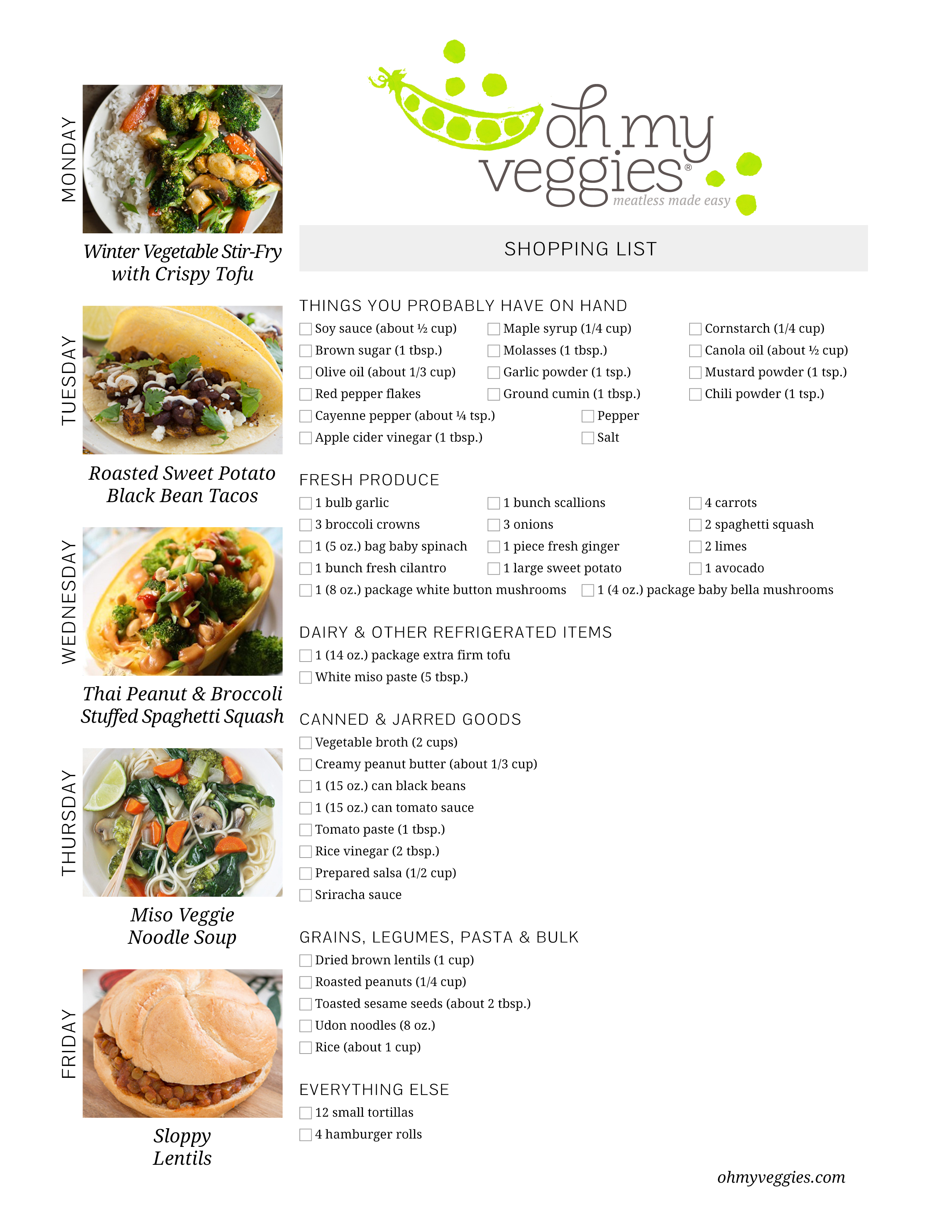
Dinners can be more elaborate since you have more time to prepare them. Experiment with vegan recipes like stir-fries loaded with colorful veggies and tofu or try lentil-based curries served over fragrant basmati rice.
5. Snack Smartly:
Think ahead when it comes to snacks by prepping fruits/veggies like carrot sticks or apple slices paired with nut butter for dipping. Energy balls made from dates/nuts/seeds are another great option for quick snacking during the day.
6. Incorporate Variety:
Make sure your meal plan includes a wide range of colors, flavors, and textures to keep things interesting while ensuring you get all the nutrients you need.
7. Meal Prep Tips:
To save time during busy weekdays: cook large batches of grains/legumes at once; chop vegetables in advance; freeze soups/stews; portion out snacks into small containers/bags.
8.Optimize Leftovers:
Plan meals in a way that allows for leftovers which can be repurposed into new dishes—for example, turning a vegetable stir-fry into a wrap or using leftover rice to make fried rice with added veggies and tofu.
9. Stay Hydrated:
Remember to drink plenty of water throughout the day. Herbal teas, infused waters, and homemade fruit juices can add variety if plain water feels monotonous.
10. Seek Inspiration:
Explore vegan recipe blogs, cookbooks, and social media accounts for inspiration on new recipes to try. This will help you stay motivated and excited about your vegan journey.
Conclusion:
Vegan meal planning doesn’t have to be overwhelming; in fact, it can be an enjoyable part of your healthy eating routine. By understanding your nutritional needs, creating a list of staple ingredients, and planning balanced meals ahead of time, you’ll be well-equipped to embark on your vegan journey confidently. Remember to incorporate variety, experiment with flavors and textures, optimize leftovers when possible, and seek inspiration from others in the vegan community. Here’s wishing you success as you embrace this compassionate and health-conscious lifestyle!

Leave a Reply