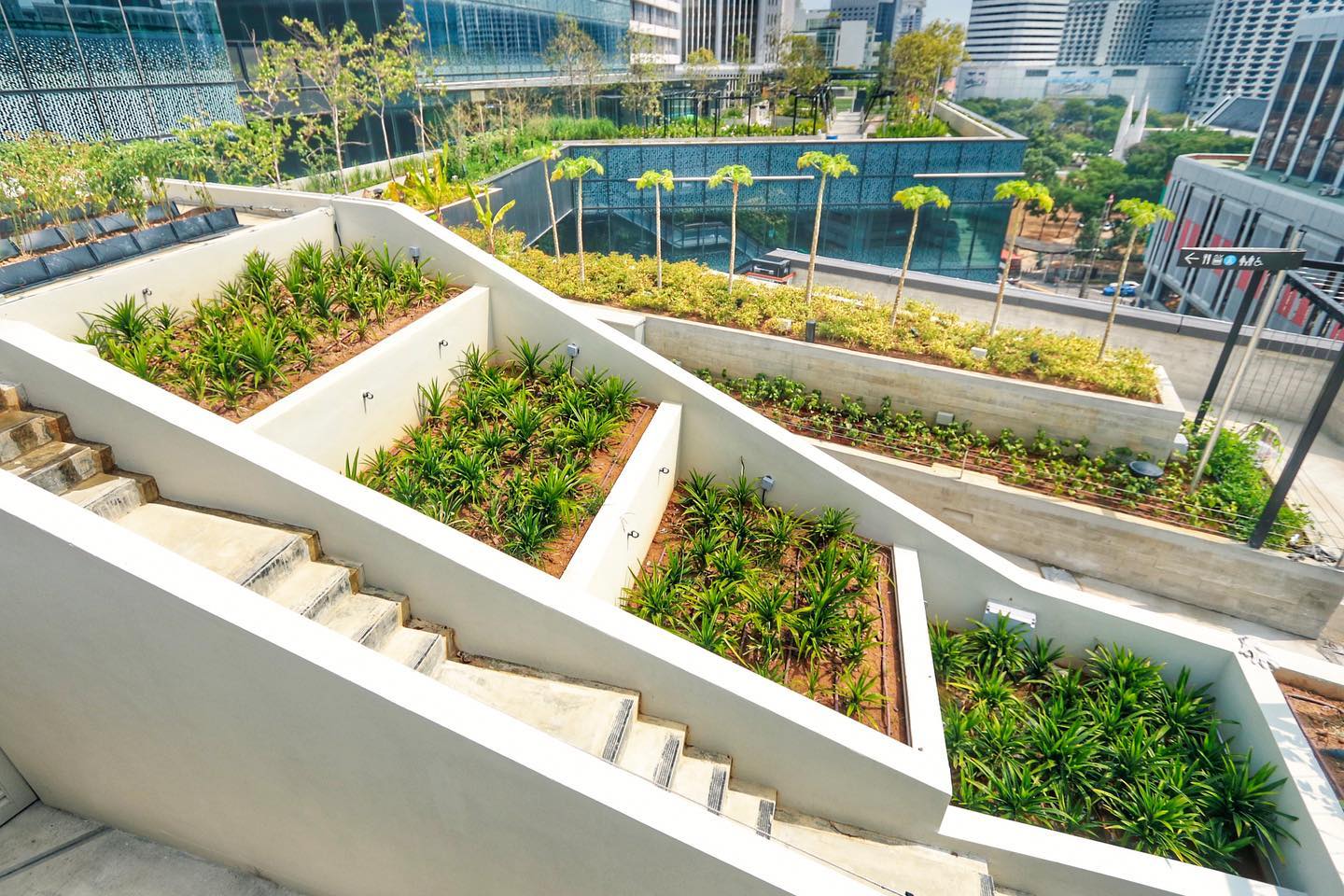
Urban Farming: Growing Your Own Food in the Concrete Jungle
In recent years, there has been a growing movement towards reconnecting with our food sources and embracing sustainable living practices. As urban areas continue to expand, space for traditional farming becomes limited. However, this has not deterred passionate individuals from finding innovative ways to cultivate their own fresh produce right in the heart of the concrete jungle. Welcome to the world of urban farming – a practice that brings agriculture into cities and transforms rooftops, balconies, and empty spaces into flourishing gardens.
What is Urban Farming?
Urban farming refers to the cultivation of crops and raising animals within an urban environment. It encompasses various methods such as vertical gardening, rooftop farming, hydroponics, aquaponics, community gardens, and more. The aim is simple: to provide city dwellers with access to fresh and nutritious food while reducing reliance on long-distance transportation and minimizing environmental impact.
Benefits of Urban Farming
1. Improved Access to Fresh Produce:
One of the primary advantages of urban farming is its ability to bring fresh produce closer to consumers’ doorsteps. By eliminating lengthy supply chains and reducing post-harvest handling time, fruits and vegetables can be harvested at peak ripeness—maximizing nutritional value—and delivered directly from farm-to-table.
2. Environmental Sustainability:
Traditional agricultural practices often require vast amounts of land, water resources, pesticides, and fertilizers—all contributing factors to environmental degradation. Urban farming addresses these concerns by utilizing small spaces more efficiently through techniques like vertical gardening or hydroponics that require less land area and water usage than conventional methods.
3. Community Engagement:
Community involvement plays a vital role in urban farming initiatives where people come together around shared goals such as promoting local food security or addressing social issues related to health disparities or poverty reduction. Engaging with neighbors through shared green spaces fosters a sense of belonging while providing education about sustainable living practices.
4. Food Security:
Urban farming can help alleviate food insecurity by providing consistent access to nutritious food in areas where fresh produce is scarce or expensive. By growing their own food, individuals and communities become less reliant on external sources and gain greater control over their nutritional needs.
Methods of Urban Farming
1. Rooftop Farming:
Utilizing rooftops for agriculture is a popular method in densely populated cities with limited horizontal space. Rooftop farms take advantage of underutilized spaces to grow a variety of crops using soil-based or hydroponic systems. These farms have the added benefit of reducing heat absorption, improving energy efficiency, and mitigating stormwater runoff.
2. Vertical Gardening:
Vertical gardening involves growing plants upright instead of horizontally, making it an ideal solution for tight urban settings. Utilizing trellises or vertical structures like walls or fences, plants are grown vertically—taking up minimal floor space while maximizing productivity.
3. Hydroponics:
Hydroponics is a soil-less cultivation technique that allows plants to grow in nutrient-rich water solutions instead of traditional soil beds. This method conserves water as it recirculates within the system, reduces the risk of pests and diseases associated with conventional farming, and enables year-round crop production.
4. Aquaponics:
Aquaponics combines aquaculture (raising fish) with hydroponics (growing plants without soil) in a symbiotic ecosystem where fish waste provides nutrients for plant growth, while the plants filter the water for the fish—an ingenious closed-loop system that maximizes resource utilization.
5. Community Gardens:
Community gardens provide shared spaces where residents can collectively cultivate fruits, vegetables, herbs, and flowers while fostering social connections among participants within neighborhoods or schools.
6. Indoor Farming:
Indoor farming employs controlled environments such as greenhouses or vertical farms equipped with artificial lighting systems to simulate optimal conditions needed for plant growth throughout the year—making it an excellent option for year-round production in urban areas.
Challenges and Solutions
1. Limited Space:
The scarcity of available land poses a significant challenge for urban farmers. However, innovative techniques like vertical gardening, hydroponics, and rooftop farming allow for efficient utilization of space, ensuring maximum yield without the need for large plots traditionally associated with agriculture.
2. Soil Contamination:
Urban soils can be contaminated due to past industrial activities or pollution. To overcome this hurdle, raised beds with clean soil can be used instead of relying on the existing ground soil. Additionally, implementing soil remediation practices through phytoremediation (using plants to remove contaminants) can help restore polluted areas over time.
3. Access to Resources:
Accessing resources such as seeds, equipment, and technical expertise is crucial for successful urban farming initiatives. Collaboration with local agricultural organizations, government agencies, and universities can provide valuable support by offering training programs, grants or subsidies, and sharing knowledge about sustainable farming practices.
4. Building Codes and Regulations:
Navigating city regulations regarding zoning laws or building codes may pose challenges when establishing urban farms. Advocacy efforts are necessary to develop policies that support urban agriculture while addressing concerns related to safety standards or structural integrity.
Conclusion
Urban farming offers a myriad of benefits ranging from improved access to fresh produce and environmental sustainability to community engagement and food security. By transforming unused spaces into productive gardens using innovative methods like rooftop farming or hydroponics, individuals can take control of their own food sources while promoting healthier eating habits within their communities—creating a greener future one harvest at a time!

Leave a Reply