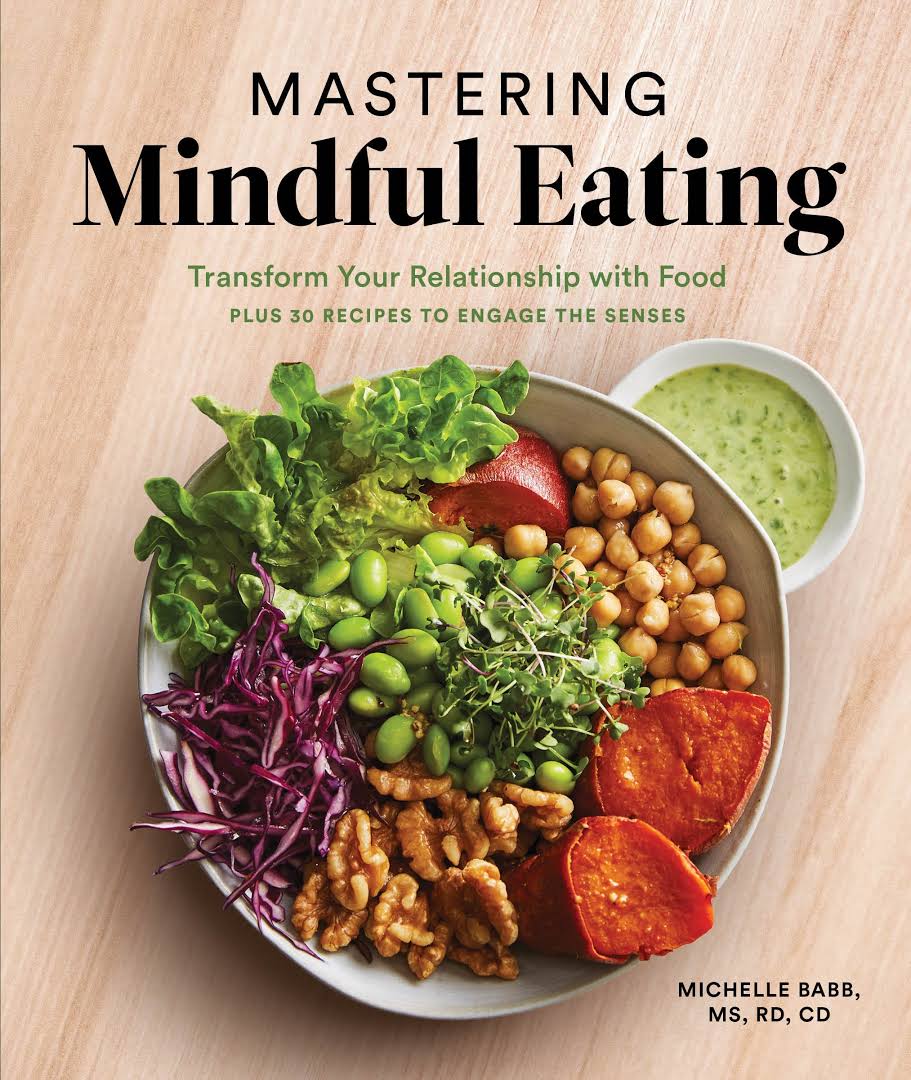
1. Understand the concept of mindful eating
Mindful eating is about being fully present and aware of your food choices, as well as the sensations they bring to your body. It involves paying attention to hunger and fullness cues, savoring each bite, and cultivating a non-judgmental attitude towards food. By practicing mindful eating, you can develop a healthier relationship with food and make more informed choices.
2. Slow down and savor each bite
One essential aspect of mindful eating is slowing down during meals. Take the time to appreciate your food by chewing slowly and thoroughly. This allows you to fully experience the flavors, textures, and aromas of what you’re consuming. By savoring each bite, you’ll not only enjoy your meal more but also give your brain enough time to receive signals from your stomach when it’s satisfied.
3. Engage all senses while eating
Engaging all five senses while eating can enhance mindfulness during meals. Observe the colors, shapes, and textures of your food on the plate before taking a bite. Pay attention to its aroma as it reaches your nose. Once in your mouth, notice how it feels against your tongue—whether it’s hot or cold, smooth or crunchy—and relish its taste.
4. Listen to internal hunger cues
Many people struggle with distinguishing between actual hunger and other triggers such as emotions or boredom that lead them to eat unnecessarily or excessively. Mindful eating encourages listening closely to internal hunger cues by asking yourself if you’re truly hungry before reaching for food. Learn to identify physical signs like stomach growling or feelings of emptiness rather than relying solely on external factors like meal times.
5.Trust portion control instead of strict diets
Rather than adhering strictly to fad diets that may leave you feeling deprived or unsatisfied in the long run, practice portion control through mindful eating instead! When serving yourself a meal or snack, be mindful of the appropriate portion sizes for your nutritional needs. Pay attention to how much food is enough to satisfy your hunger without overeating.
6. Cultivate gratitude and appreciation
Mindful eating involves developing a sense of gratitude and appreciation for the food on your plate. Take a moment before each meal to reflect on where your food comes from, acknowledging the effort that went into growing, harvesting, and preparing it. This practice can help foster a deeper connection with your meals and encourage you to make more conscious choices regarding what you consume.
7. Minimize distractions during meals
In our fast-paced world, it’s common to eat while working, watching TV, or scrolling through social media. However, these distractions hinder our ability to truly engage in mindful eating. To fully focus on the sensory experience of each meal, minimize distractions by turning off electronic devices and finding a quiet place where you can savor your food without interruption.
8. Practice self-compassion and let go of guilt
Lastly, practicing self-compassion is crucial when adopting mindful eating habits. Let go of any guilt associated with indulging in certain foods or overeating occasionally. Remember that mindful eating encourages non-judgmental awareness rather than strict rules or restrictions. Treat yourself with kindness and understanding throughout this journey towards a healthier relationship with food.
By incorporating these mindful eating practices into your daily routine, you can develop a more balanced approach to nutrition while enjoying every bite along the way! Start small by implementing one or two techniques at a time until they become second nature to you. With consistency and patience, mindful eating can bring about positive changes in both your physical health and overall well-being

Leave a Reply