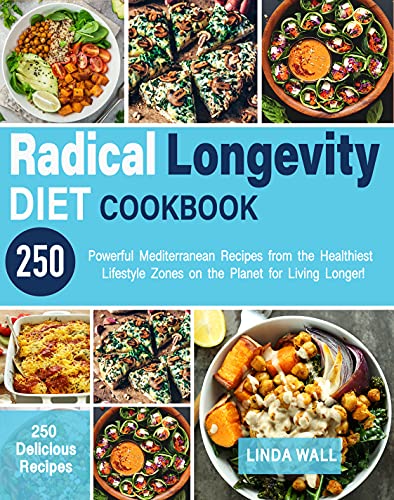
The Mediterranean diet has gained significant popularity in recent years, and for good reason. Not only is it a delicious way to eat, but research suggests that following this eating pattern can also contribute to a longer and healthier life. In this case study, we will explore the relationship between the Mediterranean diet and longevity, examining the scientific evidence behind its health benefits.
Originating from countries bordering the Mediterranean Sea, such as Greece, Italy, Spain, and Portugal, the Mediterranean diet is characterized by an abundance of fruits and vegetables, whole grains, legumes, nuts and seeds. It also includes moderate amounts of dairy products like yogurt and cheese; fish and seafood; poultry; eggs; small portions of red meat; and healthy fats like olive oil.
One key aspect of the Mediterranean diet is its emphasis on plant-based foods. Fruits and vegetables are rich in vitamins, minerals, fiber, antioxidants – compounds that protect our cells from damage caused by harmful free radicals – as well as phytochemicals with anti-inflammatory properties. These components collectively contribute to reducing chronic inflammation in our bodies which is believed to be a major driver of aging processes.
Another pillar of the Mediterranean diet is extra virgin olive oil (EVOO), which has been linked to numerous health benefits. EVOO contains monounsaturated fats – heart-healthy fats that help reduce bad cholesterol levels while maintaining or increasing good cholesterol levels. Additionally, EVOO provides us with powerful antioxidants called polyphenols that have been shown to improve cardiovascular health by reducing inflammation.
Numerous studies have examined how adhering to a Mediterranean-style eating pattern influences longevity. One notable investigation published in The New England Journal of Medicine followed 22 thousand adults over several years across different European countries. The study found that individuals who closely followed a Mediterranean dietary pattern had lower rates of overall mortality compared to those who did not adhere strictly.
Furthermore, there is substantial evidence supporting the positive impact of the Mediterranean diet on heart health. A meta-analysis of 50 studies published in the journal Circulation found that adherence to the Mediterranean diet was associated with a lower risk of cardiovascular disease, as well as reduced incidence of stroke and coronary heart disease.
Additionally, research has shown that following a Mediterranean-style eating pattern may help reduce the risk of developing type 2 diabetes. One study conducted in Spain involving more than 13 thousand participants at high cardiovascular risk found that those assigned to follow a Mediterranean diet supplemented with extra-virgin olive oil had a significantly lower incidence of diabetes compared to those following a low-fat control diet.
In addition to its impact on chronic diseases, the Mediterranean diet has also been linked to better cognitive function and decreased risk of neurodegenerative conditions like Alzheimer’s disease. The PREDIMED (Prevención con Dieta Mediterránea) trial, one of the most comprehensive studies on this topic, demonstrated that individuals who followed a Mediterranean diet supplemented with either EVOO or mixed nuts showed improved cognitive performance compared to those assigned to a low-fat control group.
Moreover, it is worth mentioning that the Mediterranean lifestyle encompasses more than just food choices. Regular physical activity, social engagement, and stress reduction practices are vital components often associated with this way of life. These factors complement the health benefits derived from dietary choices and contribute positively towards longevity.
It is important to note that while there is strong scientific evidence supporting the association between adherence to a Mediterranean dietary pattern and increased longevity, other factors such as genetics and overall lifestyle should not be overlooked. Nevertheless, adopting key principles from this widely recognized eating pattern can undoubtedly have significant positive impacts on our health.
In conclusion, numerous scientific studies suggest that adhering to a Mediterranean-style eating pattern can promote longevity and improve overall health outcomes. With its emphasis on plant-based foods rich in nutrients and antioxidants along with healthy fats like olive oil, this dietary approach offers numerous benefits including reduced risks of chronic diseases such as cardiovascular disease, type 2 diabetes, and neurodegenerative conditions. By embracing the Mediterranean diet and adopting a holistic approach to health, we can increase our chances of living longer and healthier lives.

Leave a Reply