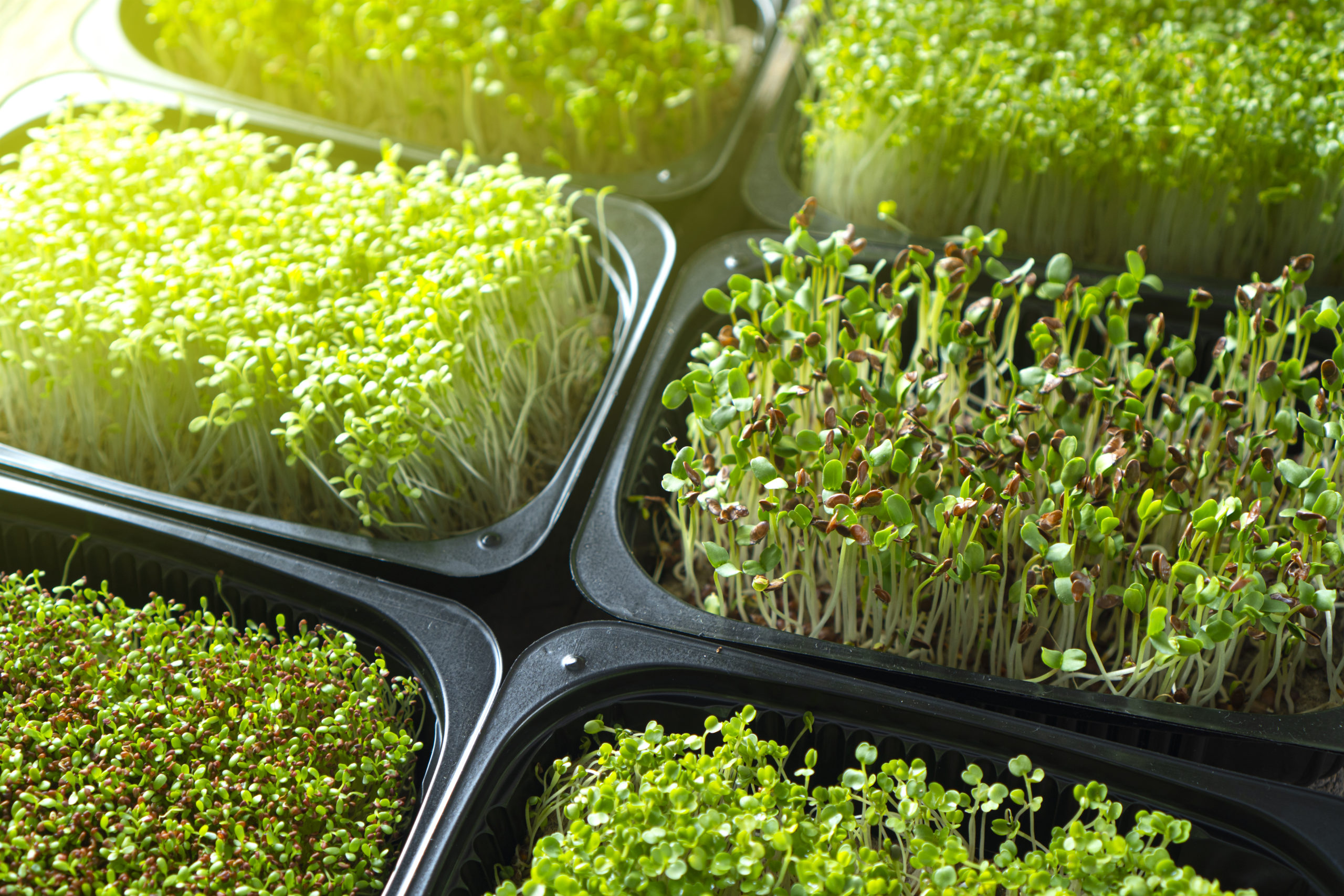
Microgreens have gained popularity in recent years for their high nutritional content and unique flavors. While most people are familiar with common microgreen varieties like broccoli, kale, and radish, there is a whole world of lesser-known microgreens waiting to be discovered. In this article, we will explore some of these overlooked varieties and their potential benefits.
1. Lesser-known microgreen varieties:
– Amaranth: This vibrant red microgreen has a mild earthy flavor and is rich in vitamins A, C, and K.
– Shiso: Also known as Japanese basil, shiso microgreens add a tangy and slightly minty taste to dishes.
– Sorrel: These lemony-tasting greens are packed with antioxidants and can elevate the flavor profile of salads or soups.
– Sunflower: Sunflower microgreens have a nutty taste that complements sandwiches or adds crunch to salads.
2. Microgreen nutrition for specific dietary needs:
For those following specific dietary regimens:
– Low-carb diets: Microgreens like arugula and Swiss chard are low in carbohydrates while providing essential nutrients.
– Gluten-free diets: Buckwheat or amaranth microgreens offer gluten-free alternatives that still provide fiber and protein.
3. Growing microgreens in small spaces:
Even if you live in an apartment or have limited outdoor space, growing your own microgreens is possible:
– Utilize vertical gardening techniques such as wall-mounted planters or hanging baskets.
– Use shallow trays or containers filled with potting soil or coco coir for indoor cultivation.
4. Microgreens as a source of plant-based protein:
Incorporating more plant-based protein into your diet? Look no further than certain types of microgreens:
– Pea shoots contain nearly 5 grams of protein per serving while being low in calories.
– Sunflower sprouts also provide a good amount of protein, making them an excellent addition to vegetarian or vegan meals.
5. Unique ways to incorporate microgreens into smoothies:
Smoothies are a great way to boost your nutrient intake, and microgreens can add flavor and nutrition:
– Add a handful of mild-flavored microgreens like spinach or kale to your favorite fruit smoothie for added vitamins and minerals.
– Try blending bolder-tasting microgreens like cilantro or radish with avocado, lime juice, and yogurt for a savory green smoothie.
6. The benefits of consuming microgreen roots:
While the focus is often on the leafy greens, don’t overlook the nutritional value of microgreen roots:
– Microgreen roots contain concentrated nutrients such as vitamins, minerals, and enzymes.
– Incorporating both the leaves and roots into your dishes can provide a more robust nutritional profile.
7. Microgreens and their impact on gut health:
Research suggests that incorporating microgreens into your diet may positively impact gut health due to their high fiber content:
– The fiber in microgreens helps promote healthy digestion by supporting beneficial gut bacteria.
– Regular consumption of fiber-rich foods like microgreens has been linked to reduced risk of certain digestive disorders.
8. Microgreen recipes for picky eaters:
If you have picky eaters at home, introducing them to new flavors through creative recipes can make all the difference:
– Sneak finely chopped mild-flavored microgreens into pasta sauces or meatballs for added nutrition without altering taste significantly.
– Create fun salads with vibrant mixtures of different colored and textured microgreens alongside familiar ingredients like cherry tomatoes or cucumbers.
These are just some topics related to lesser-known aspects of microgreen cultivation and consumption that could be explored further in separate articles. By diving into these topics individually, readers will gain a deeper understanding of various aspects related to growing techniques, nutritional benefits, and creative ways to incorporate microgreens into their daily diet.

Leave a Reply