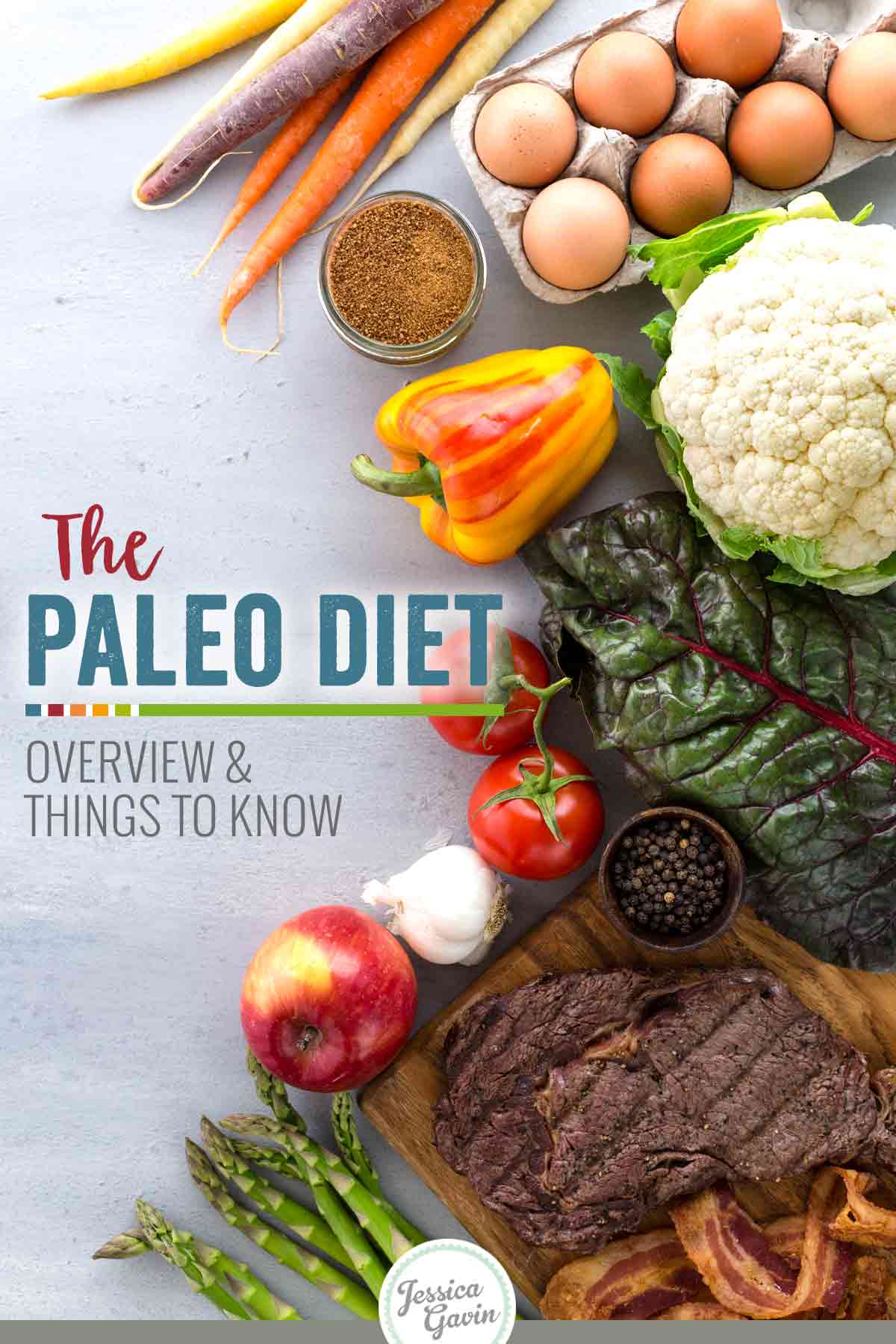
The Paleo diet, also known as the Paleolithic diet or caveman diet, is a popular eating plan that aims to mimic the dietary habits of our ancestors from the Paleolithic era. The basic idea behind this approach is to consume foods that were available to early humans before the advent of agriculture. By focusing on whole, unprocessed foods and eliminating grains, dairy products, legumes, processed oils, and refined sugars, many proponents claim that following a Paleo lifestyle can lead to improved health and weight loss.
One of the key principles of the Paleo diet is consuming high-quality animal proteins. This includes lean meats such as beef, poultry, and pork. These sources are rich in essential nutrients like protein and iron while being low in unhealthy fats when properly trimmed. Additionally, they contain amino acids necessary for muscle growth and repair.
Another important component of a Paleo meal plan is an abundance of fruits and vegetables. These provide essential vitamins, minerals, and antioxidants while adding variety to your plate. Non-starchy vegetables like leafy greens, broccoli, peppers, carrots are highly encouraged due to their high fiber content which aids digestion.
Healthy fats play a crucial role in the Paleo way of eating as well. Nuts (excluding peanuts), seeds (such as flaxseeds or chia seeds), coconut oil are all excellent sources of healthy fats that can be enjoyed on this diet. Healthy fats are known for promoting satiety after meals while providing energy throughout the day.
While grains are excluded from the Paleo diet because they were not consumed during prehistoric times when humans lived mainly by hunting and gathering food sources; starchy tubers such as sweet potatoes or yams can be included occasionally due to their nutrient density – particularly potassium levels – but should still be moderated if weight loss is a goal.
Dairy products are another group avoided on this eating plan since early humans lacked domesticated animals for milk production at that time; however some Paleo followers may choose to include small amounts of grass-fed butter or ghee due to their potential health benefits.
In summary, the Paleo diet emphasizes whole, unprocessed foods and promotes the consumption of lean proteins, fruits, vegetables, nuts, and seeds while excluding grains, legumes, dairy products, processed oils, and refined sugars. While some scientific evidence supports its potential health benefits such as weight loss and improved metabolic markers for certain individuals; it is important to remember that individual needs vary. Before adopting any major dietary changes or restricting food groups completely from your meals; it’s always advisable to consult with a healthcare professional or registered dietitian who can provide personalized guidance based on your specific health goals and needs.

Leave a Reply