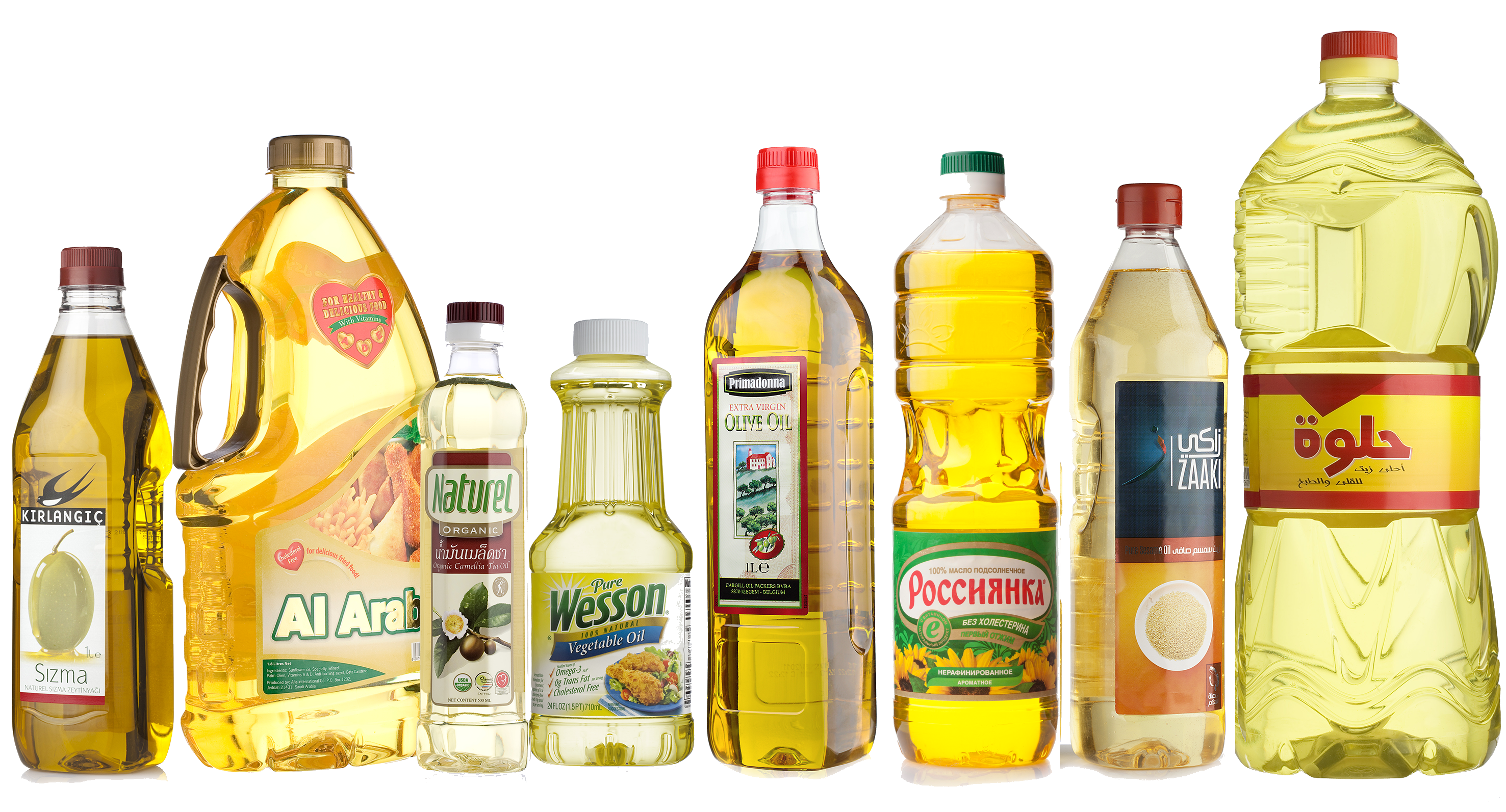
When it comes to cooking oils, there are countless options available on the market. Each oil has its own unique flavor profile and nutritional benefits, making them valuable additions to any culinary repertoire. In this article, we will explore a wide range of healthy and flavorful oils that can enhance your cooking experience and promote overall well-being.
1. Walnut Oil:
Walnut oil is derived from the nuts of the walnut tree and is known for its distinct nutty flavor. This oil is rich in omega-3 fatty acids, which have been linked to heart health benefits. It also contains antioxidants that help reduce inflammation in the body. Walnut oil is best used as a finishing oil rather than for high-heat cooking due to its low smoke point.
2. Avocado Oil:
Avocado oil has gained popularity in recent years due to its numerous health benefits and versatility in cooking. It is extracted from the flesh of ripe avocados and has a mild taste with a hint of buttery richness. Avocado oil is packed with monounsaturated fats, which can help lower bad cholesterol levels and improve heart health. With its high smoke point, this oil is suitable for both sautéing and roasting.
3. Sesame Oil:
Sesame oil has long been used in Asian cuisine for its distinctive nutty aroma and flavor. Made from sesame seeds, it adds depth to stir-fries, dressings, marinades, and sauces. Sesame oil offers an array of nutrients including vitamin E, calcium, iron, magnesium, zinc, and copper. It’s important to note that sesame oil should be used sparingly due to its strong flavor.
4. Macadamia Nut Oil:
Macadamia nut oil originates from macadamia nuts native to Australia but now cultivated worldwide as well-known delicacies among food enthusiasts around the globe.
It boasts a rich buttery flavor that complements both sweet and savory dishes beautifully.
Macadamia nut oil contains high levels of monounsaturated fats, which can promote heart health. It also has a relatively high smoke point, making it suitable for various cooking methods.
5. Flaxseed Oil:
Flaxseed oil is derived from the seeds of the flax plant and is renowned for its omega-3 fatty acid content. This oil is beneficial for cardiovascular health and can aid in reducing inflammation in the body. Flaxseed oil has a delicate, slightly nutty flavor that pairs well with salads, smoothies, or drizzled over cooked vegetables. It should be stored in the refrigerator to prevent oxidation.
6. Pumpkin Seed Oil:
Pumpkin seed oil has a rich green color and a robust, earthy flavor that adds depth to dishes such as roasted vegetables or salad dressings. It is an excellent source of antioxidants, vitamins E and K, magnesium, zinc, and omega-6 fatty acids. The unique taste of pumpkin seed oil makes it ideal for enhancing fall-inspired recipes or adding a touch of richness to everyday meals.
7. Grape Seed Oil:
Grape seed oil is extracted from the seeds of grapes used in winemaking processes. With its mild flavor and high smoke point, grape seed oil can be used for sautéing, frying, baking, or even as an ingredient in homemade mayonnaise or salad dressings.
It contains polyunsaturated fats along with vitamin E and other antioxidants that support heart health.
8. Hemp Seed Oil:
Hemp seed oil comes from cold-pressed hemp seeds and has gained popularity due to its nutritional profile rich in essential fatty acids like omega-3 and omega-6.
The distinct grassy flavor pairs well with salads or as an ingredient in dips and spreads.
Hemp seed oil should not be heated above low temperatures to preserve its nutrients.
9. Hazelnut Oil:
Hazelnut oil boasts a rich aroma and a slightly sweet, nutty flavor that enhances both savory and sweet dishes.
It is packed with monounsaturated fats, vitamin E, and antioxidants. Hazelnut oil is a great addition to salad dressings, marinades, or drizzled over roasted vegetables for added depth.
10. Pistachio Oil:
Pistachio oil has a vibrant green color and a delicate nutty taste that pairs well with salads, pasta dishes, or even desserts. It contains healthy monounsaturated fats along with vitamins A and E. Its rich flavor adds a touch of luxury to any dish.
11. Safflower Oil:
Safflower oil is made from the seeds of the safflower plant and has a neutral flavor profile that makes it versatile for various cooking methods.
It contains high levels of linoleic acid, an omega-6 fatty acid known for its heart health benefits when consumed in moderation.
12. Sunflower Oil:
Sunflower oil is derived from sunflower seeds and has become one of the most commonly used cooking oils worldwide due to its mild taste and affordability.
It is rich in vitamin E and low in saturated fat, making it favorable for heart health.
Sunflower oil can be used for frying, baking, sautéing or as an ingredient in homemade mayonnaise or salad dressings.
13. Rice Bran Oil:
Rice bran oil is extracted from rice bran—the outer layer of brown rice—and offers numerous health benefits due to its antioxidant content.
With its high smoke point and mild flavor profile,
it’s suitable for various types of cooking including stir-frying,
grilling,
and deep-frying.
14. Camelina Oil:
Camelina oil comes from camelina seeds—a plant native to Northern Europe—and boasts a nutty flavor reminiscent of sesame or flaxseed oils.
This golden-colored oil contains omega-3 fatty acids along with vitamin E
and can be used in salad dressings,
marinades,
or even for baking.
15. Mustard Seed Oil:
Mustard seed oil is made by pressing the seeds of mustard plants, and it has a pungent flavor that adds a unique kick to dishes.
It contains high levels of monounsaturated fats and omega-3 fatty acids
which promote heart health.
Mustard seed oil is commonly used in Indian cuisine as a cooking medium or added to pickles for its distinct taste.
16. Black Currant Seed Oil:
Black currant seed oil is derived from the seeds of black currants—a small berry with a tart flavor—and offers numerous health benefits due to its high content of gamma-linolenic acid (GLA), an omega-6 fatty acid.
This oil can be consumed orally as a supplement or used topically for skin health, but it’s not suitable for cooking due to its delicate nature.
17. Pomegranate Seed Oil:
Pomegranate seed oil is cold-pressed from the seeds of pomegranates and has a vibrant red color along with a fruity, slightly tart taste.
It contains antioxidants such as tocopherols and polyphenols that are beneficial for overall health.
Pomegranate seed oil can be drizzled over salads, roasted vegetables,
or even added to smoothies or desserts.
18. Chia Seed Oil:
Chia seed oil comes from chia seeds—a popular superfood known for their high fiber and omega-3 fatty acid content.
Although chia seed oil is not commonly used for cooking,
it can be consumed orally as part of a healthy diet or applied topically for skin nourishment.
19. Evening Primrose Oil:
Evening primrose oil is extracted from evening primrose plant seeds and has been traditionally used for medicinal purposes due to its potential anti-inflammatory properties.
Its mild nutty flavor makes it suitable for salad dressings or added to smoothies.
Evening primrose oil is also available in supplement form.
20. Borage Seed Oil:
Borage seed oil comes from the seeds of the blue borage flower and is known for its high content of gamma-linolenic acid (GLA), an omega-6 fatty acid with potential anti-inflammatory benefits.
With its light, cucumber-like flavor,
borage seed oil can be used in salad dressings,
marinades,
or drizzled over cooked vegetables.
21. Sea Buckthorn Berry Oil:
Sea buckthorn berry oil is derived from the bright orange berries of the sea buckthorn plant and is rich in antioxidants, vitamins, and healthy fats such as omega-7 fatty acids.
It has a tangy taste that pairs well with seafood dishes,
salads,
or even mixed into smoothies.
22. Red Palm Fruit Oil:
Red palm fruit oil is extracted from the fruit of the palm tree and contains a variety of beneficial compounds including vitamin E, beta-carotene, and tocotrienols.
It has a distinct reddish color and imparts a mild flavor to dishes.
Red palm fruit oil is commonly used in African cuisine but can also be incorporated into various international recipes.
23. Coconut Butter/Oil:
Coconut butter/oil is made from dried coconut flesh and has gained popularity for its unique tropical flavor profile along with numerous health benefits.
Rich in medium-chain triglycerides (MCTs),
coconut butter/oil can provide quick energy for the body
and may support weight management when consumed as part of a balanced diet.
24. Algal (Algae) Oils:
Algal oils are derived from various types of algae grown sustainably for their potent nutritional profile rich in omega-3 fatty acids—specifically docosahexaenoic acid (DHA).
These oils offer a vegan alternative to fish-derived omega-3 supplements
and can be consumed orally or used in cooking.
25. Ghee (Clarified Butter):
Ghee, also known as clarified butter, has been a staple in Indian cuisine for centuries.
It is made by simmering butter to remove water and milk solids,
resulting in a pure golden fat with a nutty flavor.
Ghee has a high smoke point and is often used for sautéing, frying,
or even drizzling over dishes as a finishing touch.
In conclusion, the world of cooking oils offers an array of flavors and nutritional benefits to explore. From walnut oil’s nutty richness to avocado oil’s versatility and hemp seed oil’s omega-3 content, there are options available to suit every taste preference and dietary need. Experimenting with different oils can not only enhance your culinary creations but also contribute to your overall well-being. So go ahead and venture into the realm of these healthy oils – your taste buds will thank you!

Leave a Reply