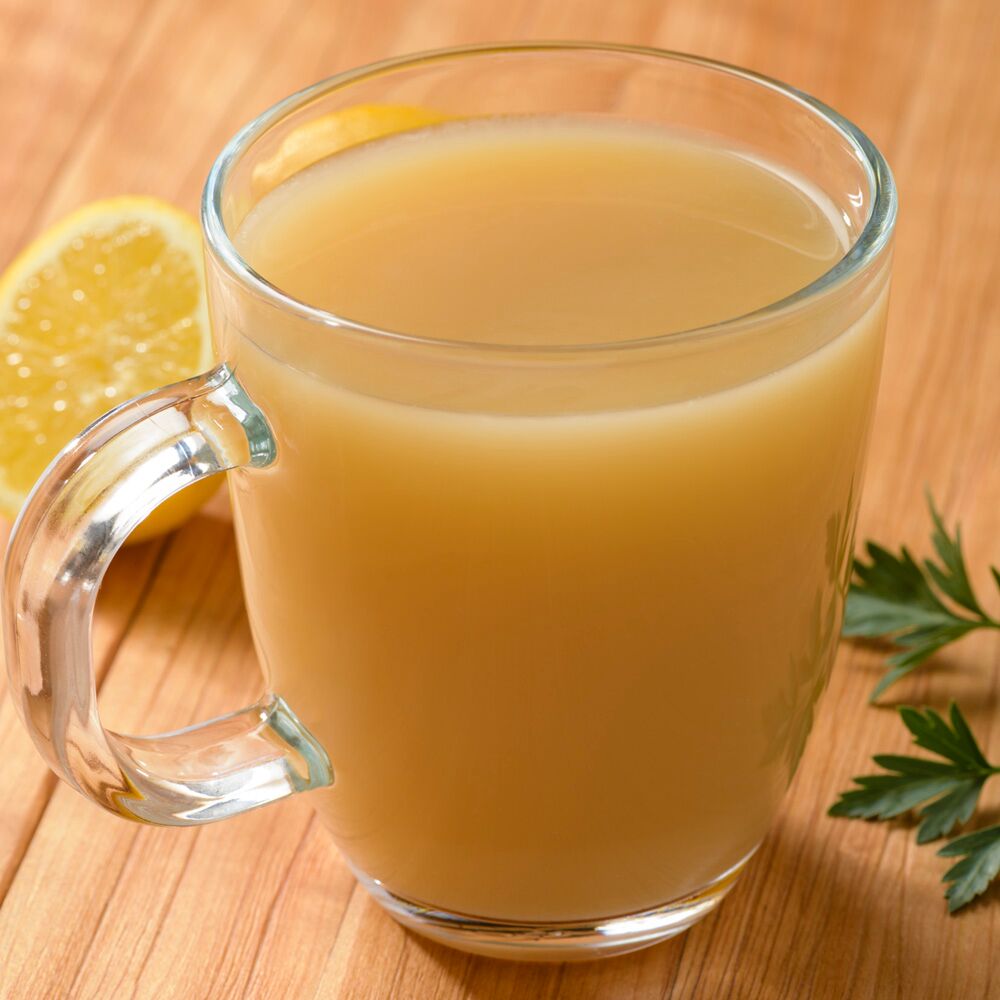
Chicken Bone Broth: A Nourishing Elixir for Health and Wellness
In recent years, there has been a renaissance of traditional cooking practices that focus on extracting the maximum nutrition from ingredients. One such ancient technique gaining popularity is the making of bone broth. Among its various types, chicken bone broth stands out as a versatile and nutrient-rich elixir that can be enjoyed on its own or used as a base for soups, stews, and sauces.
To make chicken bone broth, it all starts with high-quality chicken bones. These can be obtained from leftover roasted chickens or purchased directly from your local butcher. Remember to choose bones that are rich in collagen and connective tissues, as they release minerals like calcium, phosphorous, magnesium, and potassium during the simmering process.
Once you have gathered your bones (about 2-3 pounds), it’s time to prepare the other ingredients. Roughly chop two carrots, two celery stalks (including leaves), one onion (peeled but left whole), four garlic cloves (smashed), and a small handful of fresh herbs such as thyme and parsley. These aromatic vegetables will add depth and flavor to your broth.
Next comes the cooking process itself. Place the chicken bones in a large stockpot along with the chopped vegetables and herbs. Fill the pot with enough cold water to cover everything by about an inch or so. It’s important not to fill it too much; otherwise, you’ll end up with diluted flavors.
Now bring everything to a gentle boil over medium heat. Once it reaches boiling point, reduce the heat to low so that it simmers slowly without vigorous bubbling for at least six hours—although longer simmering times are encouraged if possible since they allow more nutrients to be released from the bones.
Throughout this slow-cooking process, some impurities may rise to the top in what is known as “scum.” To ensure a clear and clean broth, skim off this scum using a slotted spoon or skimmer regularly. Additionally, you may want to add a tablespoon or two of apple cider vinegar during the cooking process to help extract more minerals from the bones.
After simmering for several hours, it’s time to strain the broth. Carefully remove all solids from the pot using tongs or a slotted spoon and discard them. Then, line a fine-mesh strainer with cheesecloth or muslin and pour the broth through into another container. This step will ensure that your chicken bone broth is smooth and free of any sediment.
Once strained, let the broth cool completely at room temperature before transferring it to the refrigerator. It’s best to refrigerate it overnight so that any remaining fat rises to the top and solidifies. Skim off this fat layer before reheating or storing your chicken bone broth in smaller portions—either in sealed containers in the fridge for up to four days or in freezer-safe bags for longer-term storage.
Chicken bone broth offers numerous health benefits due to its rich nutritional profile. Collagen from the bones helps promote healthy skin, joints, hair, and nails while amino acids like glycine aid digestion and support gut health. The minerals released during simmering contribute to strong bones and an overall well-functioning body immune system.
In conclusion, making homemade chicken bone broth is not only simple but also highly rewarding when considering its nourishing properties. Whether sipped on its own as a comforting beverage or used as an ingredient in various dishes, this traditional elixir provides both flavor enhancement and powerful health benefits that can easily be incorporated into your healthy eating routine. So next time you have leftover chicken bones lying around after dinner, don’t throw them away – instead transform them into a delicious batch of nutrient-rich chicken bone broth!

Leave a Reply