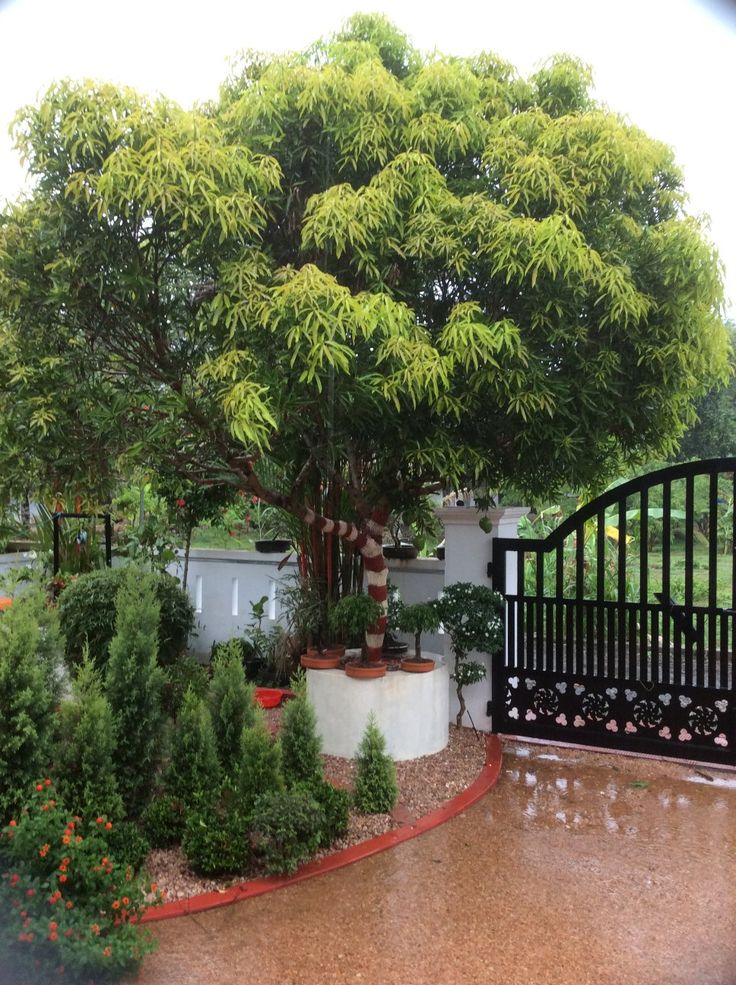
Mangoes are not only delicious and tropical fruits, but they also make a beautiful addition to any backyard or garden. Imagine being able to pick fresh mangoes straight from your own tree! While growing mango trees at home may seem challenging, with the right conditions and care, it is entirely possible. In this article, we will guide you through the process of growing your own mango tree.
First and foremost, it’s important to choose the right variety of mango tree for your climate. Mango trees thrive in tropical or subtropical regions, where temperatures do not drop below 40°F (4°C) during winter. Some popular varieties include Keitt, Tommy Atkins, Haden, and Kent. Make sure to research which varieties are best suited for your specific region.
Next comes selecting the perfect spot for planting your mango tree. Mango trees need full sun exposure for at least six hours a day in order to produce an abundant harvest. They also require well-draining soil with good water retention capacity. If you have heavy clay soil in your area, consider amending it with organic matter like compost or sand before planting.
When it comes to planting your mango tree, dig a hole that is twice as wide and deep as the root ball of the sapling you purchased. Gently place the sapling in the hole and backfill with soil mixed with compost or organic fertilizer. Ensure that the graft union is above ground level when planting.
Once planted, proper watering is key for healthy growth. Young mango trees need regular watering until they establish themselves – usually about three years after planting. Water deeply once or twice per week during dry periods and reduce frequency during rainy seasons when natural rainfall can provide sufficient moisture.
Fertilization also plays a crucial role in promoting vigorous growth and fruit production in mango trees. Apply balanced fertilizers once every two months during spring and summer months while reducing feeding during fall and winter when growth slows down.
Pruning is another important aspect of mango tree care. Regular pruning helps maintain the desired shape, remove dead or diseased branches, and improve air circulation within the canopy. Prune your mango tree annually during late winter or early spring before new growth begins.
Protecting your mango tree from pests and diseases is essential for a successful harvest. Common pests include aphids, scales, mealybugs, and fruit flies. Monitor your tree regularly for signs of infestation and take appropriate measures to control them using organic insecticides if necessary.
Lastly, be patient! It typically takes around three to five years for a mango tree to bear fruit. Once it starts producing fruit, you can expect a bountiful harvest each year as long as you provide proper care.
Growing mango trees at home can be a rewarding experience that allows you to enjoy fresh, juicy fruits right from your own backyard. Remember to choose the right variety for your climate, provide adequate sunlight and well-draining soil, water and fertilize appropriately, prune regularly, and protect against pests and diseases. With these tips in mind, you’ll be on your way to growing healthy and delicious mangoes at home in no time!

Leave a Reply