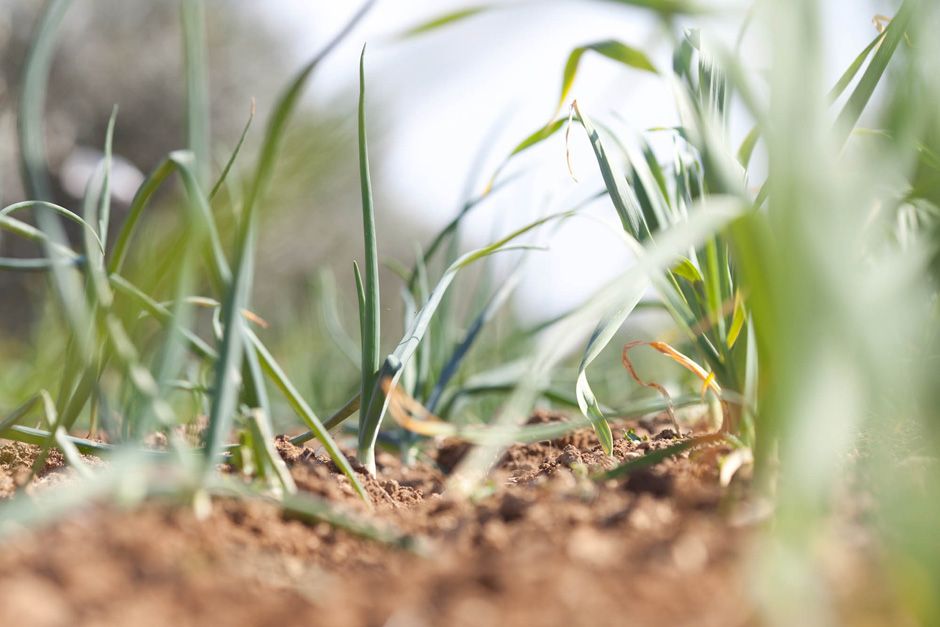
Eating locally grown herbs offers numerous benefits to both our health and the environment. When we consume herbs that are grown in our local area, we support local farmers and reduce the carbon footprint associated with transporting produce over long distances. Additionally, locally grown herbs tend to be fresher, as they have not been sitting on shelves or in warehouses for extended periods.
One of the main advantages of consuming locally grown herbs is their high nutritional value. Freshly harvested herbs retain more vitamins, minerals, and antioxidants compared to those that have been stored for longer periods. For example, fresh basil is a great source of vitamin K and iron, while cilantro contains high levels of vitamin A and antioxidants.
Similarly, exploring lesser-known local fruits can introduce us to new flavors while providing essential nutrients. Fruits such as jujubes or loquats may not be widely known but offer unique tastes along with health benefits. Jujubes are packed with vitamin C and antioxidants, while loquats provide fiber and potassium.
Sustainable farming practices play a crucial role in ensuring the availability of high-quality local produce year-round. By supporting farmers who prioritize sustainable methods like organic farming or permaculture, we contribute towards preserving soil health, reducing chemical inputs harmful to our bodies and ecosystems alike.
When it comes to vegetables, exploring unique varieties found in the local area can expand our culinary horizons while exposing us to different nutrient profiles. For instance, purple carrots offer anthocyanins that provide antioxidant properties distinct from their orange counterparts.
Local honey serves as a natural sweetener alternative that also provides various health benefits. It has antibacterial properties due to its enzymes and antioxidants content which supports digestive health when consumed raw or incorporated into recipes.
Supporting local farmers’ markets is essential for maintaining a thriving food system within communities. These markets allow direct interaction between consumers and growers while promoting sustainability through reduced packaging waste from mass-produced goods often found in supermarkets.
Edible flowers found in the local area offer a unique way to add both beauty and flavor to our dishes. Flowers like nasturtiums or lavender can be used in salads, teas, or desserts, providing additional vitamins and minerals.
For those seeking dairy alternatives, local options such as almond milk or oat milk can provide healthy alternatives while supporting regional agriculture. These plant-based milks are often fortified with vitamins and minerals essential for a balanced diet.
Fermented foods made from locally sourced ingredients offer probiotics that promote gut health. Products like sauerkraut or kimchi not only enhance the taste of our meals but also aid digestion and support a healthy immune system.
Consuming locally caught fish provides numerous nutritional advantages over imported varieties. Local fish tend to be fresher and have higher levels of omega-3 fatty acids, which are beneficial for heart health.
Uncommon grains and legumes grown locally can diversify our diets while offering unique nutrient profiles. For example, amaranth seeds are gluten-free and rich in protein, fiber, iron, and calcium.
Local superfoods often go unnoticed despite their exceptional benefits. Chia seeds are an excellent source of omega-3 fatty acids and fiber while being versatile enough to incorporate into various recipes.
Seasonality impacts the availability of local produce; however, it also contributes to its superior nutritional value. Eating seasonally ensures we consume fruits and vegetables when they are at their peak freshness and nutrient density.
Indigenous crops play a significant role in preserving biodiversity within the local food system. By supporting these crops cultivated by indigenous communities, we contribute towards maintaining traditional knowledge systems while enjoying diverse flavors on our plates.
Exploring lesser-known mushrooms found in the region offers an opportunity to expand our culinary repertoire while benefiting from their unique medicinal properties. Varieties like lion’s mane or reishi have been used traditionally for their immune-boosting effects.
Locally produced olive oil is not just flavorful but also rich in monounsaturated fats, which are known for their heart-healthy benefits. By choosing local olive oil, we support regional agriculture and reduce the carbon footprint associated with importing oils from distant locations.
Incorporating locally grown nuts into our diet is an excellent way to enjoy their nutritional advantages while supporting local farmers. Walnuts, for example, are a great source of omega-3 fatty acids and antioxidants.
Lesser-known root vegetables often thrive in the local environment and offer unique flavors and textures. Vegetables like sunchokes or rutabagas provide essential vitamins, minerals, and dietary fiber.
Preserving biodiversity is crucial for a sustainable food system, and local heirloom seeds play a vital role in achieving this goal. These seeds have been passed down through generations without genetic modification or hybridization, preserving the diversity of our crops.
Lastly, exploring wild edibles from the local ecosystem can be an adventure that introduces us to new tastes while providing various health benefits. Foraging for plants like dandelion greens or stinging nettles not only connects us with nature but also offers nutrient-rich additions to our meals.
In conclusion, embracing locally grown produce opens doors to a world of culinary exploration while promoting sustainable practices and supporting local communities. By incorporating these lesser-known foods into our diets, we can experience diverse flavors while reaping the nutritional benefits they offer. Whether it’s herbs, fruits, vegetables or other ingredients mentioned here – there is always something exciting waiting to be discovered at your nearest farmer’s market or by connecting directly with local growers.

Leave a Reply