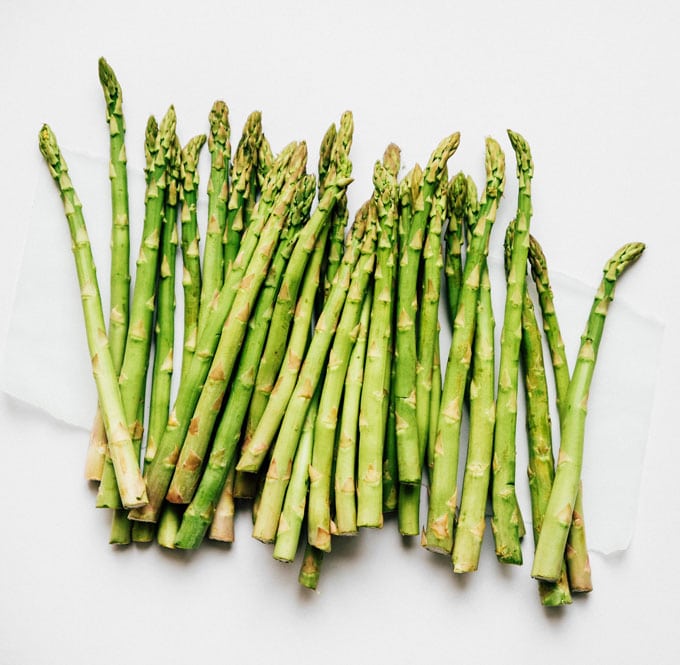
Asparagus is a versatile and nutritious vegetable that comes in various varieties, each with its own unique taste and texture. Whether you are a fan of the green or prefer the milder white asparagus, there is an asparagus variety to suit every palate. In this article, we will explore some popular types of asparagus and discover their distinctive characteristics.
1. Green Asparagus: The most common type found in grocery stores, green asparagus has a vibrant green color and a slightly sweet flavor. It is known for its tender stalks and crisp texture. Green asparagus can be enjoyed raw in salads or cooked through various methods like grilling, roasting, steaming, or sautéing. This variety is rich in vitamins A, C, E, K and essential minerals like folate and potassium.
2. White Asparagus: Unlike green asparagus that grows above ground exposed to sunlight turning it green due to chlorophyll production; white asparagus is grown underground away from direct light exposure which prevents photosynthesis from occurring making it remain pale white. This process also contributes to its more delicate flavor compared to the green counterpart. White asparagus has a slightly bitter taste but becomes tender when cooked properly using techniques such as blanching or steaming.
3. Purple Asparagus: With its eye-catching deep purple hue tinged with hints of blue and burgundy, purple asparagus stands out on any plate. Its vibrant color comes from high levels of anthocyanins – powerful antioxidants known for their health benefits such as reducing inflammation and improving cardiovascular health. Purple asparagus tastes similar to green variations but tends to be sweeter with nutty undertones when cooked.
4. Wild Asparagus: Growing naturally in sandy soils across Europe, wild asparagus has thinner stalks than cultivated varieties but packs a flavorful punch! Its intense earthy taste makes it ideal for adding robust flavors to dishes like stir-fries, risottos, or pasta. Wild asparagus is also a rich source of nutrients such as vitamins A, C, E, and folate.
5. Thin Asparagus: This variety is known for its slender stalks that are typically more tender and sweeter than thicker ones. Thin asparagus cooks quickly and evenly due to its size, making it perfect for roasting or grilling. With their delicate texture and mild flavor, thin asparagus spears can be easily incorporated into salads or used in side dishes.
6. Jumbo Asparagus: On the opposite end of the spectrum from thin asparagus lies jumbo asparagus – thick stalked and meaty with a hearty taste. Due to their larger size, they require longer cooking times to ensure tenderness. Jumbo aspa

Leave a Reply