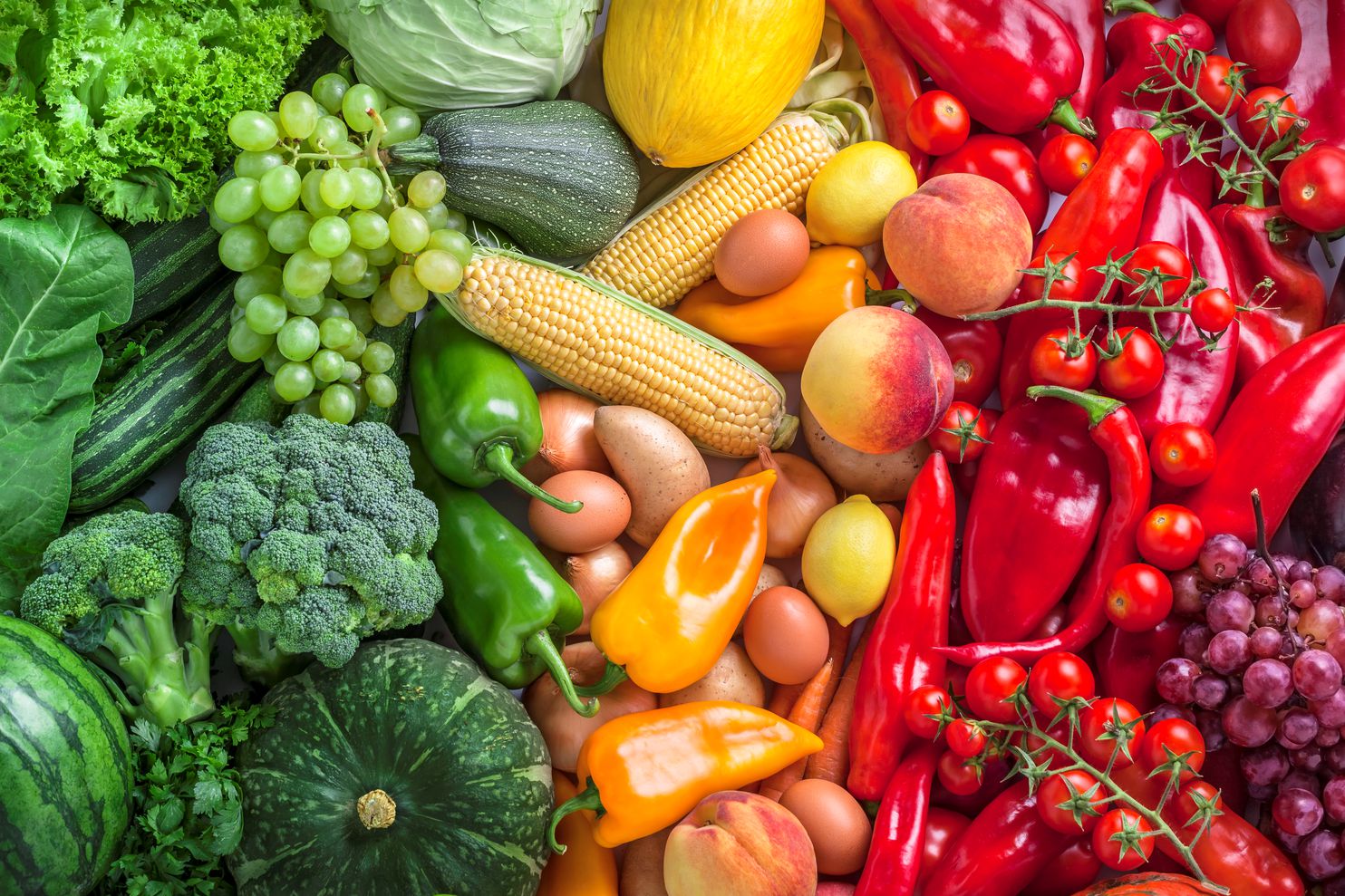
Healthy Eating: Nourishing Your Body for Optimal Well-being
In today’s fast-paced world, it can be challenging to maintain a healthy diet. However, making conscious choices about what we eat is crucial for our overall well-being. Healthy eating not only fuels our bodies with essential nutrients but also reduces the risk of chronic diseases and supports weight management. In this article, we will explore the key principles of healthy eating and provide practical tips to help you incorporate them into your lifestyle.
Firstly, a balanced diet is fundamental to healthy eating. This means consuming a variety of foods from different food groups in appropriate proportions. Include whole grains, lean proteins, fruits, vegetables, dairy or dairy alternatives, and healthy fats in your meals. Whole grains such as brown rice and quinoa are rich in fiber and provide sustained energy throughout the day. Lean proteins like chicken breast or fish promote muscle growth and repair.
Fruits and vegetables should comprise a significant portion of your daily intake as they are packed with vitamins, minerals, antioxidants, and dietary fiber that support digestion and boost immunity. Aim for at least five servings per day – whether through fresh produce or frozen options when fresh isn’t available.
Another vital component of healthy eating is minimizing processed foods high in added sugars, trans fats, sodium additives,and artificial ingredients.These can lead to weight gain and increase the risk of heart disease or diabetes. Instead,opt for natural sweeteners like honey or maple syrup,and select healthier cooking methods like baking or grilling instead of frying.
Portion control plays an important role in maintaining a balanced diet.Encourage mindful eating by listening to your body’s hunger cues rather than relying on external factors,such as portion sizes recommended by restaurants.Research shows that slowing down while eating helps us feel satisfied with smaller portions.Avoid distractions during mealtime,such as watching TV or scrolling through social media,to fully focus on enjoying your food.This practice allows you to recognize when you are full and prevents overeating.
In addition to what we eat, it’s essential to consider how we prepare our meals. Opt for cooking methods like steaming, baking, or grilling that preserve the nutritional value of food. Using healthy oils like olive oil or avocado oil in moderation can provide necessary fats while enhancing flavor.
Furthermore, staying hydrated is often overlooked but is crucial for maintaining good health. Regularly drink water throughout the day to support digestion, circulation, and temperature regulation. Limit sugary beverages and alcohol as they can contribute excess calories without providing any nutritional benefits.
Lastly, healthy eating should be seen as a sustainable lifestyle rather than a restrictive diet. Allow yourself occasional indulgences in moderation to maintain a balanced relationship with food. Depriving yourself completely may lead to cravings and overeating later on.
In conclusion, adopting healthy eating habits is vital for our overall well-being. By incorporating whole grains, lean proteins, fruits,and vegetables into our diets while minimizing processed foods and practicing portion control, we can nourish our bodies with essential nutrients.Focusing on mindful eating,sensible meal preparation,and adequate hydration will further enhance the benefits of healthy eating.Choose this path towards optimal well-being by embracing a nutritious lifestyle today!

Leave a Reply