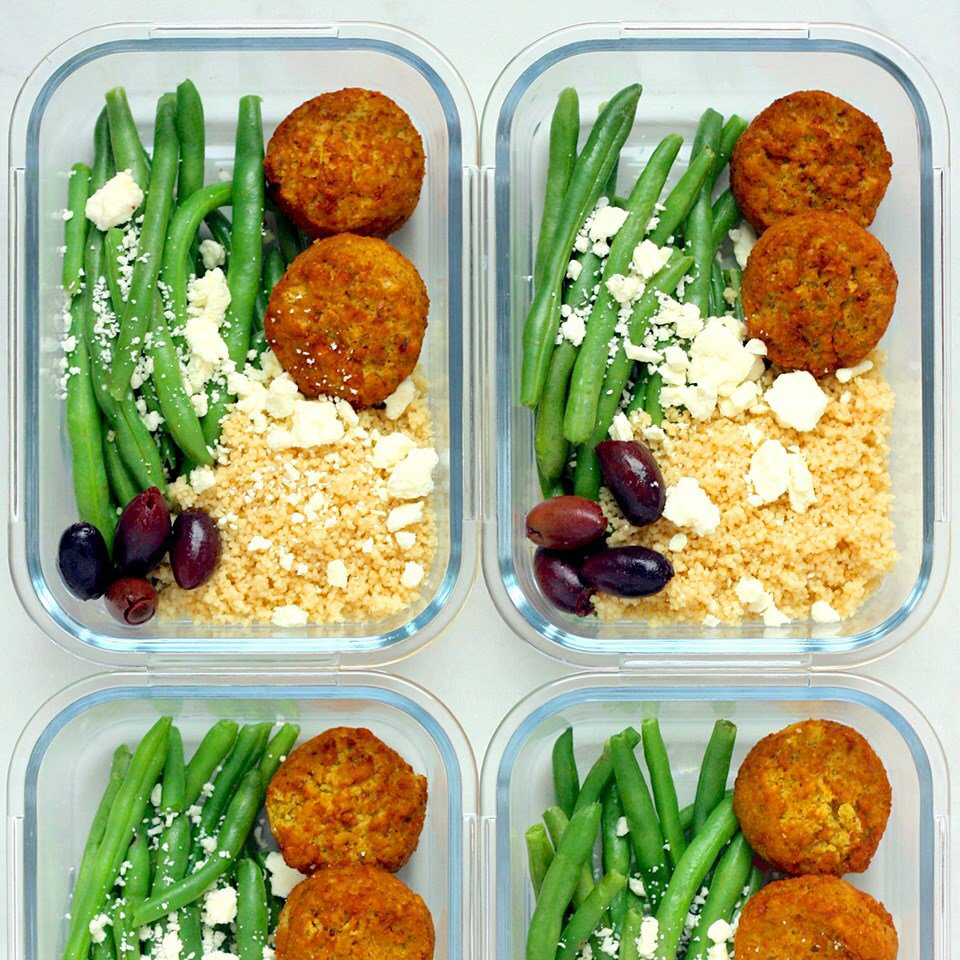
The Mediterranean diet is well-known for its health benefits, including reducing the risk of heart disease, improving brain function, and aiding in weight loss. One of the key aspects of this diet is meal preparation, which allows you to have nutritious and delicious meals ready to enjoy throughout the week. In this article, we will guide you through a step-by-step process of Mediterranean diet meal prep.
Step 1: Plan your meals
The first step in successful meal prep is planning your meals for the week. Take some time to browse through Mediterranean recipes or create a list of your favorite dishes. Aim for a balance between lean proteins (such as fish and poultry), whole grains (like quinoa and brown rice), fruits and vegetables, legumes (such as chickpeas and lentils), healthy fats (like olive oil and nuts), and dairy products (such as Greek yogurt and feta cheese).
Step 2: Make a shopping list
Once you’ve planned your meals, it’s time to make a shopping list. Check your pantry for any ingredients you already have on hand before heading out to the grocery store. Be sure to include all the necessary ingredients for each recipe you plan to prepare during the week.
Step 3: Grocery shopping
When grocery shopping for Mediterranean diet meal prep, focus on fresh produce, whole grains, lean proteins, dairy products, legumes, nuts/seeds/olive oil/hummus spreads/etc., herbs/spices/flavorings/seasonings such as oregano/basil/dill/mint/cumin/paprika/garlic/onion/herbs de Provence/salt/pepper/cinnamon/nutmeg/turmeric etc., specialty items like olives/artichokes/capers/sun-dried tomatoes/grape leaves/feta cheese/goat cheese/mozzarella/etc., canned goods like diced tomatoes/tomato paste/coconut milk/chickpeas/lentils/etc., and any other ingredients specific to the recipes you’ve chosen.
Step 4: Prep your proteins
Start your meal prep by focusing on the proteins. You can marinate chicken breasts in lemon juice, garlic, and herbs for a flavorful Mediterranean twist. Fish like salmon or cod can be seasoned with olive oil, herbs, and spices before baking or grilling. If you prefer plant-based options, consider preparing a batch of lentils or chickpeas for added protein throughout the week.
Step 5: Roast your vegetables
Roasting vegetables not only brings out their natural sweetness but also makes them easy to add to meals later in the week. Chop up an assortment of Mediterranean favorites like eggplant, zucchini, bell peppers, onions, and tomatoes. Toss them with olive oil and seasonings such as oregano and garlic powder before roasting at 400°F (200°C) until tender.
Step 6: Cook grains and legumes
Whole grains like quinoa or brown rice are staples in the Mediterranean diet. Cook a large batch according to package instructions and portion it into individual containers for easy use throughout the week. Similarly, prepare a big pot of lentils or chickpeas that can be used as side dishes or added to salads.
Step 7: Assemble salads
Salads are an excellent way to incorporate various Mediterranean flavors while maximizing nutrient intake. Prepare salad bases by washing greens like spinach or mixed lettuce leaves thoroughly. Divide them into individual containers so they’re ready to grab-and-go when needed. Add roasted vegetables from Step 5 along with cooked grains/legumes from Step 6 for added texture and flavor.
Step 8: Make dressings/sauces/spreads
Homemade dressings/sauces/spreads are key components of Mediterranean cuisine that add depth of flavor to dishes. Consider making Greek yogurt-based tzatziki sauce with cucumber, garlic, and dill. Prepare a simple lemon vinaigrette using olive oil, lemon juice, Dijon mustard, and herbs. Also, keep some hummus or pesto on hand for easy dipping or spreading.
Step 9: Portion out your meals
Now that you have all the components ready, it’s time to portion out your meals. Use meal prep containers with separate compartments to keep ingredients separated until ready to eat. Place proteins like chicken or fish in one section, grains/legumes in another section, and roasted vegetables/salads in separate sections. Add dressings/sauces/spreads in small dressing containers on the side.
Step 10: Store and enjoy
Store your prepared meals in the refrigerator for up to five days. When it’s time to eat, simply grab a container from the fridge and enjoy a delicious Mediterranean diet meal without any hassle!
Mediterranean diet meal prep can simplify healthy eating while ensuring you’re nourishing your body with nutritious foods throughout the week. By following these steps and experimenting with different recipes and flavors each week, you’ll be well on your way to embracing this heart-healthy lifestyle!

Leave a Reply