Portion Control for Specific Dietary Needs
Maintaining a healthy and balanced diet is essential for our overall well-being. However, it becomes even more critical when we need to address specific dietary needs. Portion control plays a vital role in managing these dietary requirements effectively. Whether you’re following a low-carb, low-fat, gluten-free, or any other specialized diet, understanding portion sizes can help you stay on track with your nutritional goals.
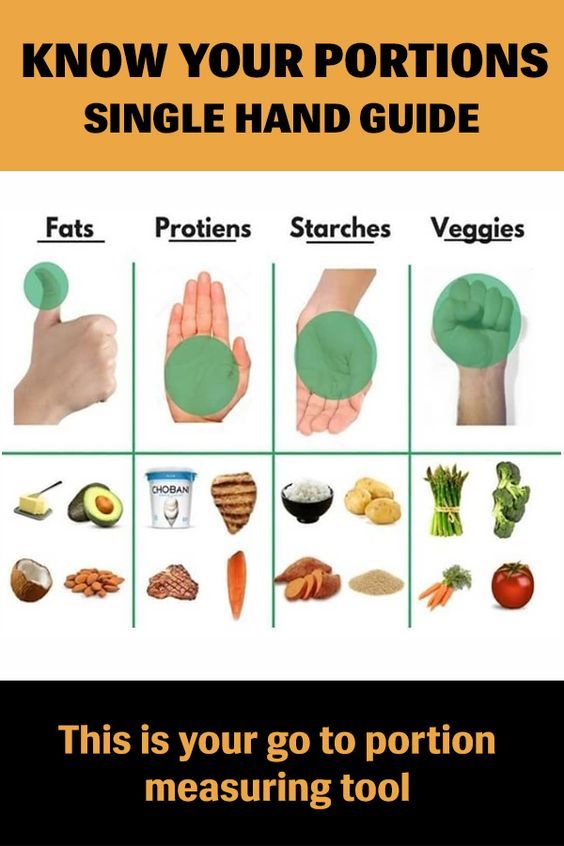
One important aspect of portion control is knowing the appropriate serving sizes for different food groups. For instance, if you’re on a low-carb diet, it’s crucial to be mindful of your intake of starchy foods like bread, pasta, and rice. A typical serving size of these items should be around half a cup or roughly the size of your fist. Similarly, if you’re following a low-fat diet plan, it’s essential to limit high-fat foods such as oils and nuts to smaller portions.
Another key factor in portion control is learning how to estimate servings without relying solely on measuring cups or scales. This skill comes particularly handy when dining out or preparing meals in situations where precise measurements are not available. For example, one easy method is using visual cues: consider that one serving of protein (e.g., chicken breast) should be about the size of a deck of cards or the palm of your hand.
Moreover, when dealing with specific dietary needs such as gluten intolerance or celiac disease which require avoiding gluten-containing grains like wheat and barley; being aware of portion sizes becomes crucial because gluten-free alternatives often contain higher amounts of calories and fat than their conventional counterparts. In this case especially paying attention to read nutrition labels can help maintain appropriate portions while adhering to your dietary restrictions.
Planning ahead can also greatly aid in portion control for specific diets. When meal prepping or creating grocery lists tailored towards certain nutritional requirements – whether it’s vegetarianism or lactose intolerance – having an organized strategy can ensure you have the right portions of each food group. For example, including a variety of colorful vegetables and lean proteins like tofu or legumes can help maintain balance while keeping portion sizes in check.
Finally, it is important to listen to your body’s signals of fullness and hunger. Paying attention to satiety cues can prevent overeating, regardless of dietary restrictions. Eating slowly, savoring each bite, and stopping when you feel satisfied (but not overly full) are excellent practices for portion control. It’s crucial to remember that everyone’s dietary needs are unique; therefore, it may be beneficial to consult with a registered dietitian who can provide personalized guidance tailored specifically for your individual requirements.
In conclusion, portion control is an essential component of maintaining a healthy diet while adhering to specific dietary needs. By understanding appropriate serving sizes for various food groups and learning how to estimate portions visually or through label reading, individuals can manage their diets effectively. Additionally, planning ahead and listening to your body’s hunger cues will aid in avoiding overeating and promote overall wellness.

Leave a Reply