Interviewer: Welcome to our Healthy Eating website. Today, we have a special guest with us who is going to shed some light on the health benefits of flaxseeds. Please welcome Dr. Sarah Thompson, a renowned nutritionist and expert in healthy eating.
Dr. Thompson: Thank you for having me here today!
Interviewer: Flaxseeds have gained popularity as a superfood in recent years. Can you tell us why they are considered so healthy?
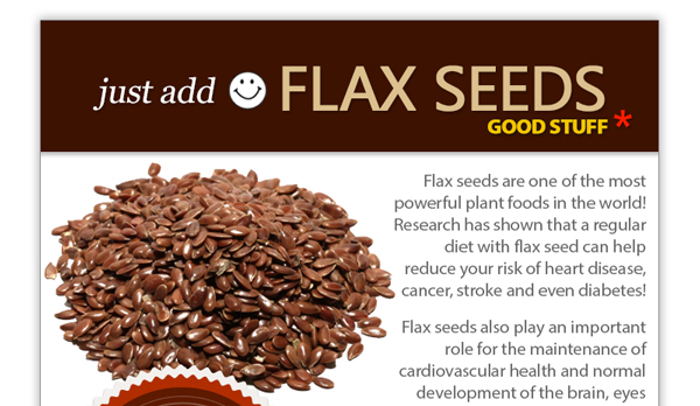
Dr. Thompson: Absolutely! Flaxseeds are tiny seeds that are packed with nutritional goodness. They are an excellent source of omega-3 fatty acids, fiber, lignans, and various other essential nutrients.
One of the most notable health benefits of flaxseeds is their high omega-3 fatty acid content. Omega-3s are known for their anti-inflammatory properties and play a crucial role in brain health, heart health, and overall well-being.
Flaxseeds also contain both soluble and insoluble fiber, which aids digestion and promotes bowel regularity. The soluble fiber acts as a prebiotic, feeding the beneficial bacteria in your gut and supporting digestive health.
Moreover, flaxseeds contain lignans – plant compounds that act as antioxidants in the body. These lignans have been linked to numerous health benefits like reducing cancer risk (particularly breast cancer), improving hormonal balance, lowering cholesterol levels, and promoting skin health.
Interviewer: That’s fascinating! How can people incorporate flaxseeds into their diet?
Dr. Thompson: There are several ways to include flaxseeds in your daily diet:
1) Ground flaxseed: Whole flaxseeds may pass through your digestive system undigested unless they’re ground up first. Grind them using a coffee grinder or buy pre-ground flaxseed from stores.
2) Smoothies: Add ground flaxseed to your favorite smoothie for an extra boost of nutrition.
3) Baking: Replace a portion of flour with ground flaxseed in your muffins, bread, or pancakes recipes. It adds a nutty flavor and enhances the nutritional profile.
4) Yogurt or cereal topper: Sprinkle ground flaxseeds on top of your yogurt, oatmeal, or breakfast cereal for an added crunch and health benefits.
5) Flaxseed oil: Flaxseed oil is another option for those who don’t prefer the texture of whole or ground seeds. Use it as a salad dressing or drizzle it over cooked veggies.
Interviewer: Are there any concerns or precautions associated with consuming flaxseeds?
Dr. Thompson: While flaxseeds are generally safe for most people when consumed in moderation, there are a few things to keep in mind:
1) Allergic reactions: Some individuals may be allergic to flaxseeds. If you experience any adverse symptoms like itching, hives, or difficulty breathing after consuming them, seek medical attention immediately.
2) Digestive issues: Consuming large amounts of flaxseeds without adequate hydration can lead to digestive discomfort like bloating and gas. Ensure you drink enough water throughout the day when incorporating them into your diet.
3) Medication interactions: Flaxseeds may interact with certain medications due to their high fiber content. Consult with your healthcare provider if you have concerns about potential interactions.
Interviewer: Thank you so much for sharing these valuable insights about the health benefits and usage of flaxseeds!
Dr. Thompson: My pleasure! I hope this information encourages more people to incorporate this nutritious powerhouse into their daily diet.

Leave a Reply