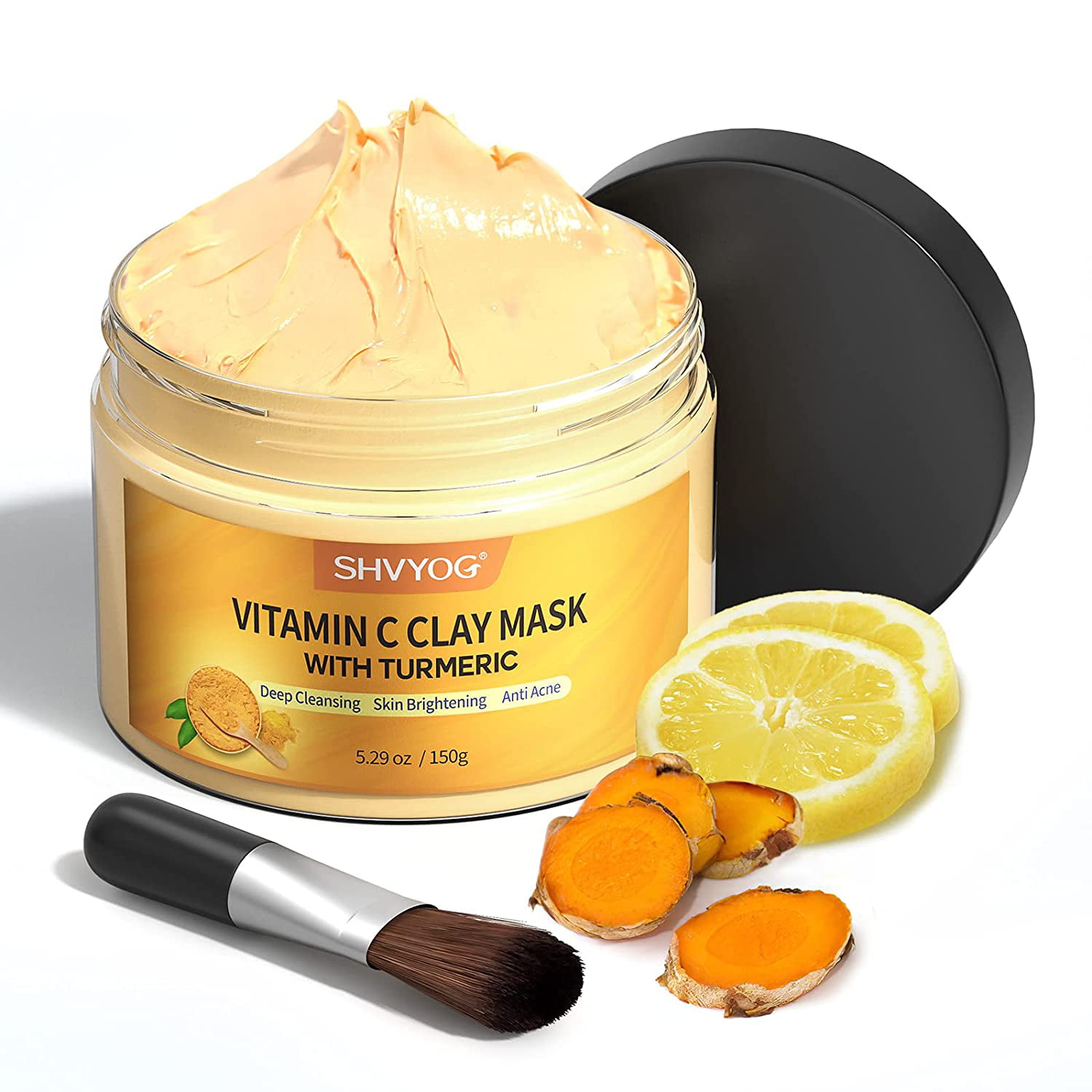
Turmeric is a vibrant yellow spice that has been used for centuries in traditional Ayurvedic medicine and cooking. It contains a compound called curcumin, which is known for its powerful anti-inflammatory and antioxidant properties. While turmeric is commonly used as a culinary ingredient, it also offers numerous benefits when incorporated into your skincare routine.
1. Fights Acne:
Acne can be frustrating to deal with, but turmeric can help you combat those pesky breakouts due to its antibacterial properties. It helps kill the acne-causing bacteria on the skin’s surface and reduces inflammation associated with acne. To make a simple turmeric face mask for acne-prone skin, mix one teaspoon of turmeric powder with two teaspoons of honey or yogurt until you have a smooth paste. Apply it to your face, leave it on for 15-20 minutes, then rinse off with lukewarm water.
2. Reduces Scarring:
Turmeric’s ability to reduce scarring makes it an excellent addition to any skincare routine if you have blemishes or scars from previous breakouts. The curcumin present in turmeric helps inhibit excess production of melanin, which can lead to hyperpigmentation and dark spots on the skin. Regularly applying a paste made from equal parts turmeric powder and rosewater directly onto affected areas may help fade scars over time.
3. Brightens Dull Skin:
If you’re looking to achieve brighter and more radiant skin naturally, look no further than turmeric! Its antioxidant properties help neutralize free radicals that contribute to dullness and premature aging of the skin cells. Mix two tablespoons of gram flour (besan), one teaspoon of turmeric powder, and enough milk or yogurt to form a thick paste. Gently massage this mixture onto your face using circular motions before rinsing off after 10-15 minutes for an instant glow.
4. Soothes Dry Skin:
Turmeric is an excellent ingredient for soothing dry and itchy skin due to its moisturizing properties. It helps restore the skin’s natural moisture balance, leaving it soft, supple, and hydrated. Create a hydrating face mask by mixing one teaspoon of turmeric powder with two tablespoons of mashed avocado or coconut oil until well blended. Apply this mixture to your face and let it sit for 15-20 minutes before rinsing off with warm water.
5. Calms Inflammation:
Whether you’re dealing with redness, irritation, or eczema flare-ups, turmeric can provide relief thanks to its potent anti-inflammatory properties. Curcumin helps reduce inflammation at the cellular level, promoting overall skin health and calming any existing issues. To create a calming face mask suitable for sensitive skin types, combine one teaspoon of turmeric powder with one tablespoon of aloe vera gel and a few drops of rosehip oil. Apply the mixture evenly on your face and rinse off after 10-15 minutes.
6. Slows Down Aging:
One of the most significant benefits of turmeric for skincare is its ability to slow down the aging process by preventing collagen breakdown and reducing the appearance of fine lines and wrinkles. The antioxidant content in curcumin protects against oxidative stress caused by environmental factors such as pollution and UV radiation that contribute to premature aging signs on the skin.
7. Treats Psoriasis:
Psoriasis is an autoimmune condition characterized by scaly patches on the skin that can be uncomfortable and embarrassing. Turmeric’s anti-inflammatory properties make it an effective natural remedy for managing psoriasis symptoms like itching, redness, and flaking. Mix equal parts turmeric powder with extra virgin olive oil or coconut oil until you have a thick paste-like consistency; then apply it directly onto affected areas twice daily for best results.
8. Enhances Overall Skin Health:
In addition to all these specific benefits, incorporating turmeric into your skincare routine can enhance overall skin health by promoting a healthy complexion and addressing various common skin issues. Its natural antiseptic properties help prevent bacterial infections, while its exfoliating properties gently remove dead skin cells, leaving behind smoother and clearer-looking skin.
Before incorporating turmeric into your skincare routine, it’s essential to keep in mind that its vibrant yellow color may stain clothing or bedding temporarily. Additionally, some individuals may experience temporary staining of the skin when using concentrated amounts of turmeric. Therefore, it is advisable to perform a patch test before applying any homemade treatments all over your face or body.
In conclusion, turmeric offers numerous benefits for the skin due to its powerful anti-inflammatory, antioxidant, and antimicrobial properties. Whether you’re dealing with acne-prone skin, dryness, dullness, or signs of aging like wrinkles and fine lines – turmeric can be a valuable addition to your skincare regimen. Give these DIY recipes a try and enjoy the glowing results!

Leave a Reply