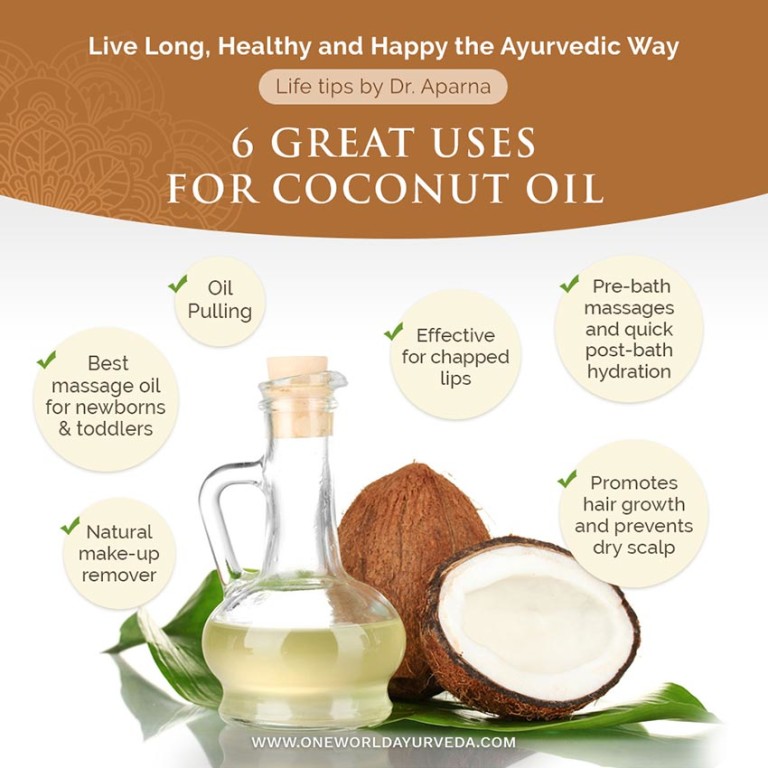
Coconut oil has gained significant popularity in recent years, being hailed as a superfood with numerous health benefits. It is extracted from the kernel or meat of mature coconuts and is rich in saturated fats, making it unique among plant-based oils. In this article, we will explore the many uses and potential health benefits of coconut oil, while also addressing some common misconceptions.
Types of Coconut Oil
Coconut oil comes in two main types: refined and virgin. Refined coconut oil undergoes processing that removes impurities and provides a more neutral taste and aroma. On the other hand, virgin coconut oil is minimally processed, typically made from fresh coconuts without any chemical additives or high-heat treatments.
Uses in Cooking
One of the most popular uses for coconut oil is in cooking. Its high smoke point makes it suitable for frying at higher temperatures compared to other vegetable oils. Additionally, its unique flavor adds a tropical touch to dishes like stir-fries, curries, baked goods, and smoothies.
Health Benefits
1. Rich Source of Healthy Fats: While coconut oil does contain saturated fats (about 90%), these are primarily medium-chain triglycerides (MCTs). Unlike long-chain fatty acids found in animal products that can increase LDL cholesterol levels when consumed excessively, MCTs are metabolized differently by the body. They are quickly absorbed and converted into energy rather than being stored as fat.
2. Boosts Heart Health: Contrary to previous beliefs about saturated fats negatively affecting heart health, emerging evidence suggests that not all saturated fats are created equal. MCTs in coconut oil have been shown to raise HDL (good) cholesterol levels while increasing LDL particle size—a positive indicator for heart health.
3. Supports Weight Loss Efforts: The MCTs found in coconut oil may aid weight loss due to their ability to promote feelings of fullness and boost calorie burning through thermogenesis. However, it is important to remember that weight loss occurs when there is an overall calorie deficit in the diet.
4. Promotes Brain Function: MCTs are converted into ketones in the liver, which can serve as an alternative fuel source for the brain. This has led to speculation that coconut oil may have potential benefits for individuals with certain neurological disorders such as Alzheimer’s disease. While some studies show promising results, more research is needed before making definitive claims.
5. Antimicrobial and Antifungal Properties: Coconut oil contains lauric acid, a compound known for its antimicrobial properties. Lauric acid can help fight against bacteria, viruses, and fungi when consumed or applied topically on the skin.
6. Skin and Hair Care: Due to its moisturizing effects, coconut oil is commonly used in skincare products like lotions and lip balms. It can help hydrate dry skin and promote a healthy complexion. Additionally, applying coconut oil to hair may improve shine and reduce frizz.
Myths and Misconceptions
1. Coconut Oil vs Extra Virgin Olive Oil: While both oils offer health benefits, they differ significantly in terms of their fatty acid profile. Extra virgin olive oil primarily contains monounsaturated fats (predominantly oleic acid), which have been extensively studied for their positive effects on heart health.
2. Not a Miracle Weight Loss Solution: Despite claims that coconut oil can magically melt away pounds, it should be viewed as part of a balanced diet rather than a standalone solution for weight loss.
3. Moderation Is Key: Although coconut oil offers potential health benefits due to its unique composition of MCTs, it is still high in calories (9 calories per gram). Therefore, moderation should be exercised when incorporating it into your diet to avoid excessive caloric intake.
Conclusion
Coconut oil has gained popularity due to its versatility and potential health benefits attributed to MCTs and lauric acid. Incorporating it into your diet can be a flavorful addition, but it should be used in moderation as part of an overall balanced eating plan. As with any dietary change, it is always advisable to consult with a healthcare professional or registered dietitian to determine the best approach for your individual needs.

Leave a Reply