Leaky Gut Syndrome: Understanding the Causes, Symptoms, and Treatments
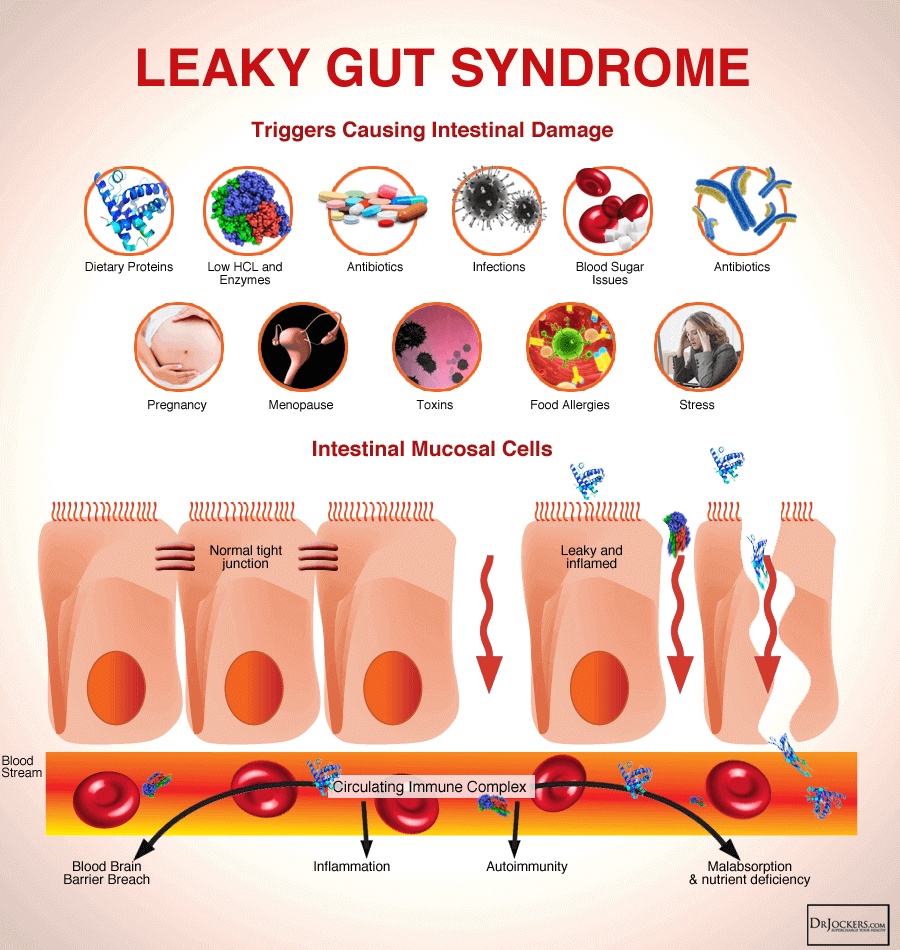
In recent years, there has been a growing interest in leaky gut syndrome and its impact on overall health. Leaky gut syndrome, also known as intestinal permeability, is a condition that affects the lining of the intestines. It occurs when the tight junctions between cells in the intestinal wall become compromised, allowing substances like toxins, undigested food particles, and bacteria to leak into the bloodstream.
Causes of Leaky Gut Syndrome:
Several factors can contribute to the development of leaky gut syndrome. One major cause is an unhealthy diet high in processed foods, sugar, refined grains, and artificial additives. These dietary choices can damage the intestinal lining over time.
Chronic stress can also play a significant role in promoting leaky gut syndrome. When we are under stress for prolonged periods of time, it can disrupt normal digestive processes and compromise intestinal health.
Other potential causes include bacterial imbalances (dysbiosis) in the gut microbiome caused by antibiotics or poor dietary choices; chronic inflammation triggered by autoimmune diseases such as celiac disease or Crohn’s disease; and environmental factors like exposure to toxins or pollutants.
Symptoms of Leaky Gut Syndrome:
Identifying leaky gut syndrome can be challenging since its symptoms often overlap with other conditions. However, some common signs may indicate this condition:
1. Digestive issues: Bloating, gas, diarrhea or constipation may occur due to impaired digestion and absorption.
2. Food sensitivities: Increased permeability allows partially digested food particles to enter circulation leading to allergic reactions.
3. Fatigue: Chronic fatigue might result from nutrient malabsorption due to damaged intestinal lining.
4. Joint pain: Inflammation caused by leaked substances entering systemic circulation could contribute to joint discomfort.
5. Skin problems: Conditions like eczema or acne may worsen due to increased inflammation throughout the body.
6. Autoimmune diseases: Leaky gut syndrome may trigger or worsen autoimmune disorders like rheumatoid arthritis or lupus.
Treatment and Prevention:
1. Diet modifications: Adopting an anti-inflammatory diet can be beneficial. Focus on whole foods, including fruits, vegetables, lean proteins, healthy fats (like omega-3 fatty acids), and fiber-rich foods.
2. Probiotics and prebiotics: Incorporate probiotic-rich foods (such as yogurt, sauerkraut, kefir) and prebiotic fibers (found in garlic, onions, bananas) to support a healthy gut microbiome.
3. Gut-healing supplements: Certain supplements like L-glutamine and zinc carnosine may help repair the intestinal lining.
4. Stress management techniques: Practicing stress-reduction strategies such as meditation or yoga can positively impact gut health.
5. Identifying food sensitivities: Elimination diets or working with a healthcare professional to identify triggering foods is essential in preventing symptoms from worsening.
6. Avoidance of environmental toxins: Limit exposure to harmful chemicals found in pesticides, household cleaners, plastics, etc., which can contribute to gut inflammation.
It’s important to note that while these lifestyle changes can often alleviate symptoms of leaky gut syndrome for many individuals, consulting with a healthcare professional is recommended for an accurate diagnosis and personalized treatment plan.
In conclusion:
Leaky gut syndrome is a condition that affects the integrity of the intestinal wall leading to various health issues. While it may not be recognized by all medical professionals as a distinct diagnosis yet, understanding its causes and recognizing its potential symptoms is crucial for those experiencing digestive disturbances or other related ailments.
By adopting dietary changes focused on reducing inflammation and promoting a healthy gut microbiome along with stress management techniques—individuals suffering from leaky gut syndrome have the potential to improve their overall well-being significantly.
Remember that each person’s experience with leaky gut syndrome can vary, and seeking guidance from a healthcare professional is essential for proper diagnosis and treatment.

Leave a Reply