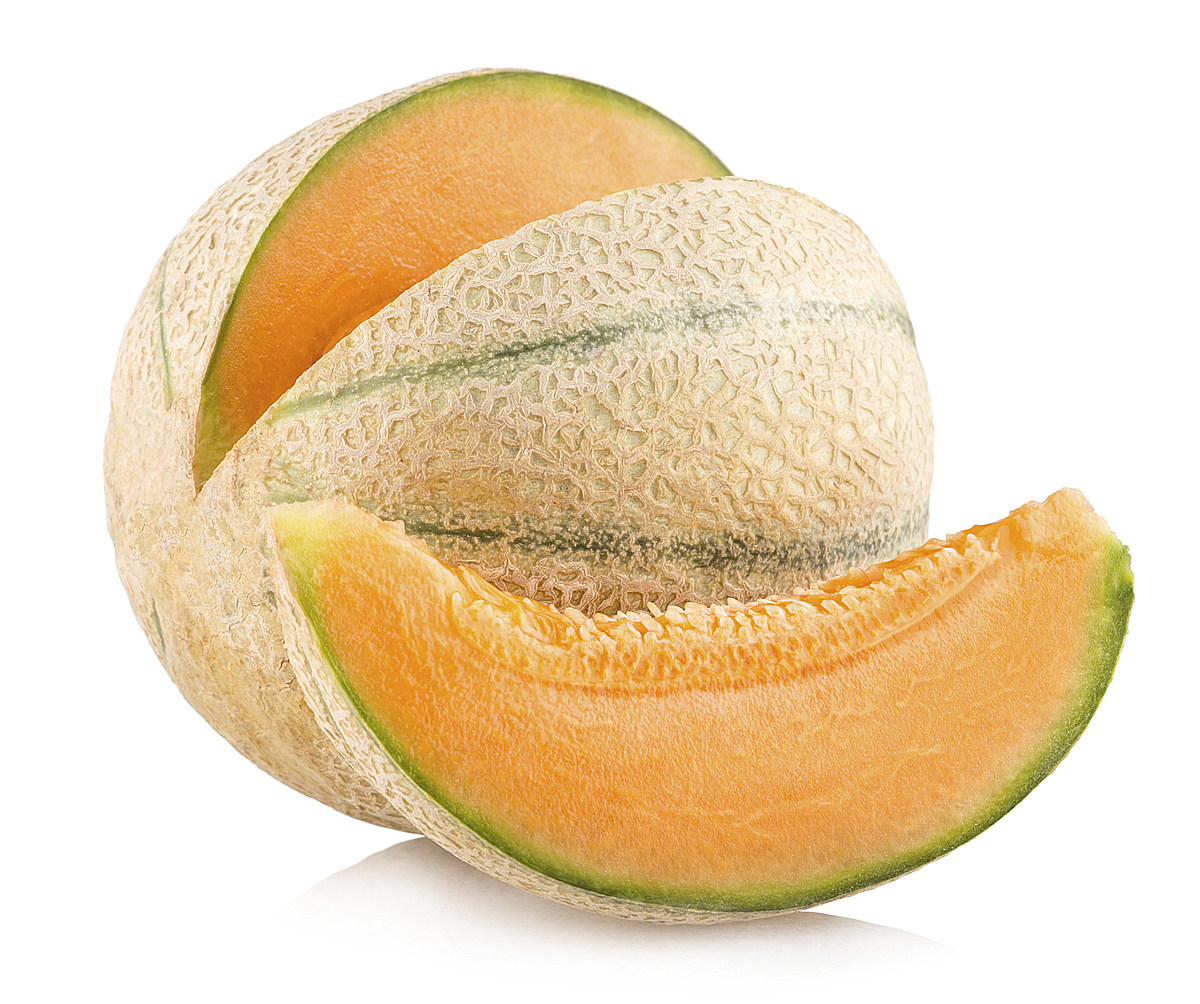
Cantaloupes: A Heart-Healthy Superfood
When it comes to maintaining a healthy heart, diet plays a crucial role. Incorporating nutrient-rich foods into your daily meals can have a significant impact on cardiovascular health. One such superfood that deserves special attention is the cantaloupe.
Cantaloupes, also known as muskmelons or rockmelons, are not only deliciously sweet and refreshing but also packed with essential vitamins and minerals. They belong to the Cucurbitaceae family and are native to hot climates like Africa and India. Today, they are grown in various parts of the world due to their popularity and nutritional value.
Heart disease continues to be one of the leading causes of death globally. However, research suggests that consuming cantaloupes regularly may help reduce the risk factors associated with heart disease and promote overall cardiovascular well-being.
Let’s delve deeper into how cantaloupes benefit heart health:
1. Rich in Antioxidants:
Antioxidants play a vital role in protecting our bodies from harmful free radicals that can damage cells and contribute to heart disease. Cantaloupes are an excellent source of antioxidants, particularly beta-carotene, which gives them their vibrant orange color. Beta-carotene gets converted into vitamin A in our body—a potent antioxidant that helps combat oxidative stress.
2. Loaded with Vitamin C:
Vitamin C is another powerful antioxidant found abundantly in cantaloupes. This essential nutrient has been linked to reducing the risk of coronary heart disease by lowering inflammation levels within blood vessels and preventing plaque buildup.
3. High Water Content:
Staying hydrated is crucial for maintaining optimal cardiovascular health, as dehydration can strain your heart by making it work harder to pump blood efficiently throughout your body. Cantaloupes have high water content (about 90%), making them an ideal choice for hydration while providing necessary nutrients at the same time.
4. Low in Calories and Fat:
Maintaining a healthy weight is essential for heart health, as obesity increases the risk of developing cardiovascular diseases. Cantaloupes are low in calories and virtually fat-free, making them an ideal snack or addition to any meal without compromising your waistline.
5. Excellent Source of Fiber:
A diet rich in fiber has been associated with a reduced risk of heart disease. Cantaloupes contain both soluble and insoluble fiber, aiding digestion, regulating cholesterol levels, and promoting a healthy gut microbiome—all crucial factors contributing to cardiovascular health.
6. Potassium Powerhouse:
Potassium is an important mineral that helps maintain proper heart function by regulating blood pressure levels. Cantaloupes are loaded with potassium, which can help counterbalance the negative effects of sodium on blood pressure.
7. Natural Diuretic Properties:
Cantaloupes act as natural diuretics due to their high water content and potassium levels. This means they can promote urine production and help flush out toxins from the body while maintaining electrolyte balance—another vital aspect of heart health.
8. Heart-Friendly Nutrients:
Apart from antioxidants, vitamin C, fiber, and potassium, cantaloupes also contain other heart-friendly nutrients such as vitamin B6 (which supports red blood cell production) and folate (which aids in reducing homocysteine levels—a marker for cardiovascular disease).
Incorporating cantaloupes into your diet:
Now that we understand how cantaloupes support heart health let’s explore some delicious ways you can incorporate this superfood into your daily routine:
1. Enjoy it Fresh: Slice up a ripe cantaloupe into bite-sized pieces for a quick snack or side dish along with breakfast or lunch.
2. Summery Smoothies: Blend chunks of chilled cantaloupe with Greek yogurt or coconut water for a refreshing smoothie packed with goodness.
3. Fruit Salads: Combine cantaloupe with other heart-healthy fruits like berries, citrus fruits, and kiwi to create a colorful and nutritious fruit salad.
4. Grilled Delight: Cut cantaloupe into wedges and lightly grill them for a unique twist. Serve as a side dish or dessert alongside grilled meats or fish.
5. Salsa Sensation: Create a vibrant salsa by combining diced cantaloupe with red onion, jalapenos, lime juice, cilantro, and a pinch of salt. Pair it with grilled chicken or fish for an explosion of flavors.
Conclusion:
With their exceptional nutritional profile and various health benefits, cantaloupes are undoubtedly an excellent addition to any heart-healthy diet. Packed with antioxidants, fiber, vitamins A and C, potassium, and natural diuretic properties—cantaloupes offer a delicious way to support cardiovascular well-being while satisfying your taste buds.
So next time you’re looking for a refreshing snack choice or planning your meals around heart health—don’t forget to grab some juicy cantaloupes from the produce aisle!

Leave a Reply