Different varieties of raspberries: Raspberries are not just one type of fruit; there are actually several different varieties available. Some popular types include the red raspberry, black raspberry, golden raspberry, and purple raspberry. Each variety has its own unique flavor profile and characteristics. Red raspberries are the most common and have a sweet-tart taste that is perfect for eating fresh or using in desserts like pies and tarts. Black raspberries have a rich, intense flavor and are often used in jams and jellies. Golden raspberries have a milder, sweeter taste with a hint of citrus flavor. Purple raspberries combine the best qualities of red and black raspberries, offering a balance between sweet and tart flavors.
The history and origins of raspberries: Raspberries have been enjoyed for centuries by various civilizations around the world. They were originally found growing wild in Europe but were later cultivated by ancient Greeks and Romans who valued their medicinal properties as well as their delicious flavor. Raspberries made their way to North America via European settlers in the 17th century where they became an important staple crop for Native American tribes.
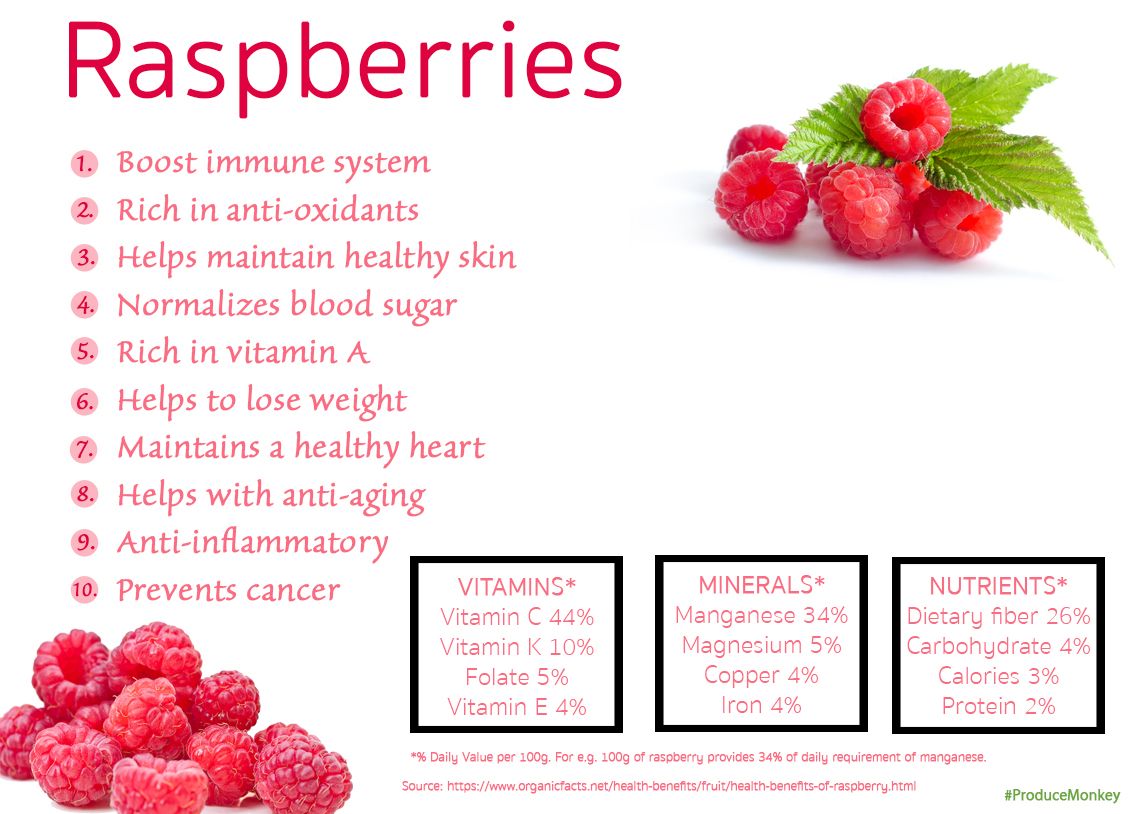
Lesser-known health benefits of raspberries: While most people know that raspberries are packed with vitamins, minerals, antioxidants, and fiber, they also offer some lesser-known health benefits. For example, research suggests that consuming raspberries may help improve heart health by reducing inflammation levels in the body thanks to their high antioxidant content. Additionally, studies show that the phytochemicals found in raspberries can potentially help prevent certain types of cancer.
Raspberry leaf tea and its potential benefits: Raspberry leaf tea is derived from the leaves of the raspberry plant rather than its fruits. It has long been used as a natural remedy for various conditions including menstrual cramps due to its ability to relax smooth muscles within the uterus which can reduce pain during menstruation.
Creative ways to incorporate raspberries into savory dishes: Raspberries are often associated with sweet desserts, but they can also bring a unique flavor and vibrant color to savory dishes. Consider adding raspberries to salads for a burst of freshness or incorporating them into glazes or sauces for meats like chicken or pork. They can also be used as a topping for grilled vegetables or added to salsas and chutneys for an unexpected twist.
Raspberry vinegar and its culinary uses: Raspberry vinegar is made by infusing raspberries in vinegar, creating a tangy and fruity condiment that adds depth of flavor to various dishes. It can be used in salad dressings, marinades, or drizzled over roasted vegetables to enhance their taste. Raspberry vinegar also pairs well with cheese, making it an excellent addition to cheese plates or charcuterie boards.
Raspberry desserts beyond pies and tarts: While raspberry pies and tarts are delicious classics, there are many other dessert options featuring this flavorful fruit. Consider making raspberry sorbet, raspberry mousse, raspberry parfait, or even raspberry chocolate truffles. The tartness of the berries complements rich chocolate flavors beautifully.
Raspberries as a natural food coloring alternative: If you’re looking for a natural way to add vibrant colors to your recipes without relying on artificial food dyes, raspberries can be an excellent option. Pureed raspberries can be strained and used as a natural dye in frostings, icings, smoothies, yogurt bowls, and more.
The nutritional profile of frozen raspberries vs fresh ones: Frozen raspberries offer the same nutritional benefits as fresh ones since they are usually picked at peak ripeness before being frozen quickly after harvest. This means that the vitamins and minerals remain intact during the freezing process. However, keep in mind that some frozen varieties may contain added sugars so it’s always best to check the label if you’re watching your sugar intake.
Raspberry seed oil for skincare and haircare: Raspberry seed oil is extracted from the seeds of raspberries and is known for its high content of essential fatty acids, antioxidants, and vitamins A and E. It is often used in skincare products for its moisturizing properties, ability to protect against UV damage, and potential anti-aging effects. Additionally, raspberry seed oil can also be beneficial for hair health as it helps nourish the scalp and promote shiny, healthy locks.
Raspberry-infused water recipes for hydration: Infusing water with raspberries can add a refreshing twist while also providing hydration benefits. Simply muddle a handful of raspberries in a pitcher of cold water or use frozen raspberries as ice cubes. For added flavor, consider adding other fruits like lemon slices or mint leaves.
Growing raspberries in containers or small spaces: Raspberries can be grown successfully in containers or small spaces such as balconies or patios. Choose compact varieties that are suitable for container gardening and ensure they receive adequate sunlight and regular watering. Pruning is essential to keep the plants compact and productive.
The impact of climate change on raspberry production: Climate change poses significant challenges to raspberry production due to its sensitivity to temperature fluctuations, changes in rainfall patterns, pests’ increased activity levels, and diseases favored by warmer conditions. Growers have had to adapt their cultivation practices to mitigate these risks.
Lesser-known raspberry pests and diseases: While raspberries are generally hardy plants, they can still fall victim to certain pests and diseases. Common threats include aphids, Japanese beetles, spider mites, crown gall disease, powdery mildew fungus among others. Regular monitoring of plants coupled with proper care techniques such as good drainage and crop rotation can help prevent infestations.
Raspberry jam-making tips and tricks: Making homemade raspberry jam allows you to enjoy the sweet taste of summer berries all year round. To ensure your jam sets properly without being too runny or too firm, use the right ratio of sugar to fruit, follow proper sterilization procedures, and test for doneness using a thermometer or the freezer plate method.
Raspberry leaf as a herbal remedy for menstrual cramps: Raspberry leaf has long been used as an herbal remedy for menstrual cramps due to its potential ability to relax the smooth muscles of the uterus. It can be consumed in various forms such as tea, capsules, or tinctures. However, it’s important to consult with a healthcare professional before using any herbal remedies.
Raspberries in traditional medicine practices around the world: Raspberries have been used in traditional medicine practices across different cultures throughout history. For instance, Native American tribes utilized raspberry leaves and roots to treat ailments like diarrhea and sore throats. In Chinese medicine, raspberries are believed to promote healthy digestion and regulate blood circulation.
The role of raspberries in reducing inflammation: Raspberries contain powerful antioxidants called anthocyanins that have anti-inflammatory properties. These compounds help reduce inflammation within the body which is linked to chronic diseases such as heart disease and arthritis. Including raspberries in your diet regularly may contribute to overall health and well-being.
Raspberry smoothie bowl ideas for a nutritious breakfast: Smoothie bowls are a trendy way to enjoy a nutrient-packed breakfast. Blend frozen raspberries with other fruits like bananas or mangoes along with your choice of liquid (such as almond milk or yogurt) until smooth. Then top it off with granola, chia seeds, coconut flakes, or fresh berries for added crunch and flavor.
Raspberry-inspired cocktail recipes for special occasions: Raspberries can add an elegant touch to cocktails on special occasions. Try muddling fresh raspberries into champagne or prosecco for a fruity twist on classic bubbly drinks. Alternatively, create a refreshing raspberry mojito by combining muddled raspberries with rum, lime juice, mint leaves, and soda water. Experiment with different combinations to find your favorite raspberry-inspired cocktail recipe.

Leave a Reply