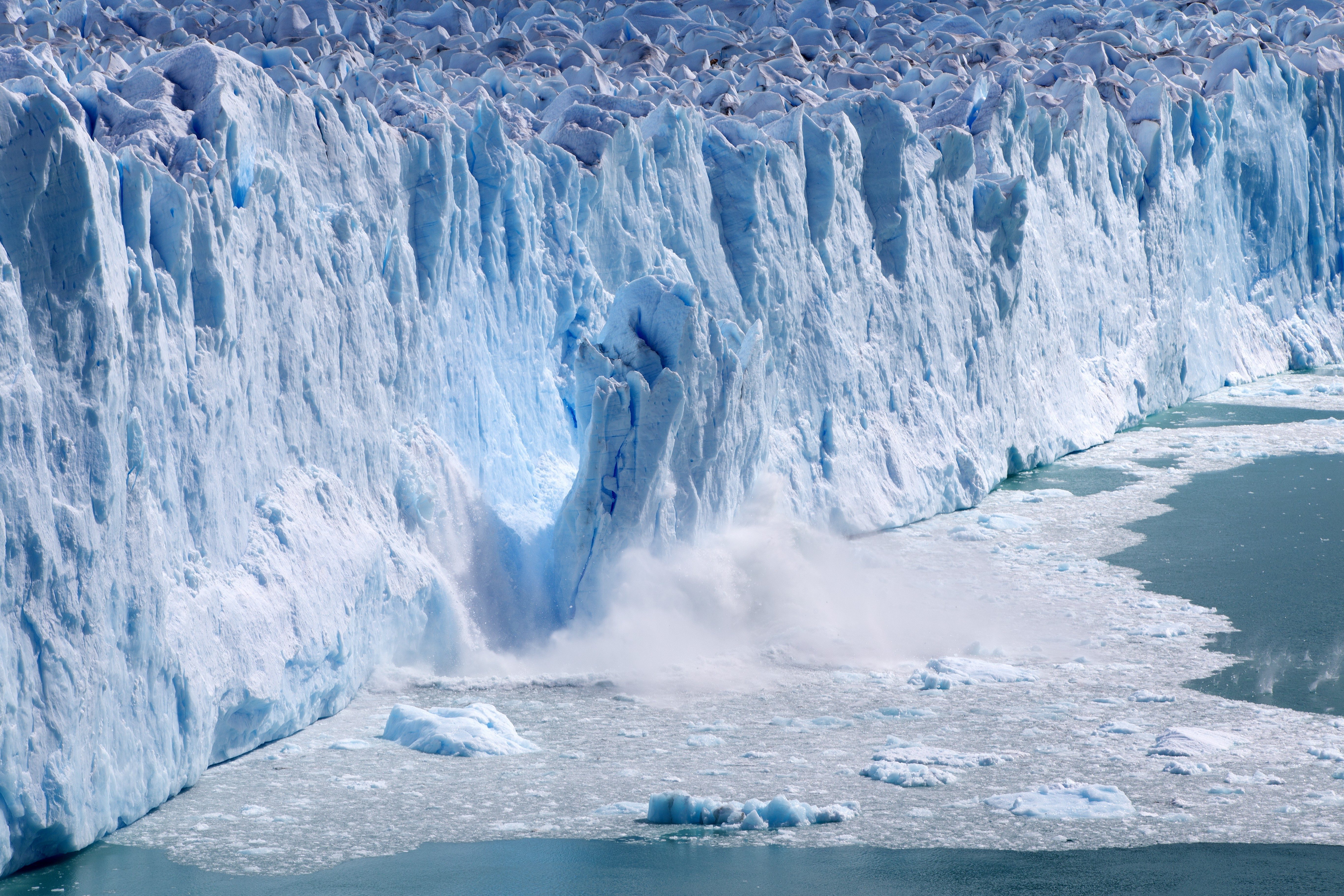
Glaciers: Nature’s Majestic Frozen Wonders
Glaciers are massive bodies of ice that form over time from the accumulation of snow and undergo a process called glaciation. These frozen wonders are found in polar regions, high mountain ranges, and even some lower-altitude areas with colder climates.
Glaciers play a crucial role in our ecosystem. They act as natural reservoirs, storing vast amounts of fresh water. As they slowly melt during warmer months or due to climate change, they provide a steady supply of water to rivers and lakes, ensuring a sustainable source for drinking water and irrigation.
Apart from their role as freshwater sources, glaciers also serve as indicators of climate change. Scientists study them to better understand global warming trends by measuring their size and observing their retreat patterns over time.
Moreover, glaciers offer breathtaking beauty and attract adventurers from around the world. Many people visit glacier-covered regions for recreational activities like skiing, snowboarding, ice climbing, or simply enjoying the awe-inspiring landscapes.
However, it is important to note that glaciers are under threat due to rising temperatures caused by human activities. Climate change accelerates their melting process at an alarming rate. This not only affects local ecosystems but also contributes significantly to sea-level rise worldwide.
To protect our glaciers and preserve these natural marvels for future generations, we must take immediate action against climate change. Reducing greenhouse gas emissions through sustainable practices can help curb global warming and slow down the loss of these majestic icy giants.
In conclusion, while glaciers may seem like distant phenomena unrelated to healthy eating habits directly; they hold immense importance in maintaining ecological balance worldwide. By understanding their significance and taking steps towards environmental conservation collectively, we can contribute towards safeguarding our planet’s health – including its glaciers – for generations to come.

Leave a Reply